When I first started working as a dental implant system supplier over a decade ago, I quickly learned that explaining these systems goes way beyond just listing parts – it’s about understanding why each component matters for both dentists and their patients. Early on, I’d get calls from new dentists asking, “What exactly do I need to place a dental implant?” Those conversations taught me that even experienced professionals sometimes miss how each piece works together, which is why I want to break this down clearly. A dental implant system isn’t a single tool; it’s a coordinated set of parts designed to mimic natural teeth, and every component plays a critical role in long-term success. Dental Implant System
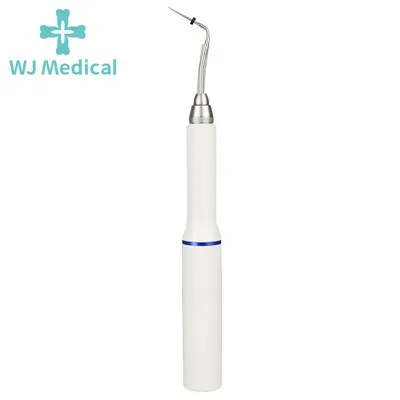
Let’s start with the most recognizable part of any dental implant: the implant fixture. This is the post that gets surgically placed into the jawbone, and it’s engineered to integrate with bone through a process called osseointegration. From a supplier’s perspective, we spend months testing the surface texture, size, and material of these fixtures because even tiny differences can change how well they fuse. Most fixtures today are made of titanium – either commercially pure titanium or titanium alloy – because it’s biocompatible, strong, and naturally bonds with bone. I’ve seen patients who received cheap, poorly finished fixtures develop complications years later, so quality here is non-negotiable. Implant fixtures come in different diameters (narrow for tight jawbones, wide for more support) and lengths (short for patients with minimal bone height), so we work with dentists to match their patient’s anatomy, not just sell the largest option.
Next, we have the abutment – the connector piece that sits on top of the implant fixture, protruding through the gum tissue. This part is what links the implant to the final restoration (crown, bridge, or denture). A common mistake new dentists make is treating all abutments the same, but there are actually two main types: standard abutments and custom abutments. Standard abutments are prefabricated in common angles and heights, perfect for straightforward cases that don’t need a lot of adjustment. Custom abutments, though, are made from digital scans of the patient’s mouth, which lets us match the exact shape of the natural tooth’s root. This is where our role as a supplier becomes more than just inventory management – we collaborate with dental labs to provide custom abutments that fit perfectly, reducing the chance of gum irritation or misalignment. I remember a dentist told me once that using a custom abutment cut their restoration time by two days, which is a win for both the clinic and the patient.
Then there’s the final restoration, which is what the patient sees and feels as their “tooth.” This can be a single crown, a bridge for multiple missing teeth, or a denture that attaches to multiple implants. Unlike the fixture and abutment, which are titanium, the crown is usually made of porcelain fused to metal or all-ceramic materials like zirconia. Zirconia has grown in popularity because it’s natural-looking, stain-resistant, and doesn’t show the dark metal line that sometimes happens with porcelain-fused-to-metal crowns. As a supplier, we make sure to stock restoration materials that match modern dental esthetic standards, because patients care about how their new tooth looks as much as how it functions. I’ve also noticed that more clinics are opting for screw-retained restorations (which attach directly to the abutment with a small screw) over cement-retained ones, since they’re easier to remove if adjustments are needed.
Beyond these three main parts, there’s a whole set of surgical components that are just as essential, especially for the placement process. Surgical kits are the tools dentists use to prepare the jawbone and place the implant fixture. These include drill bits, depth gauges, and implants drivers – all designed to work with a specific implant system. For example, a drill bit made for a 4.5mm fixture won’t work well with a 3.5mm one, so we keep carefully organized surgical kits for each product line to avoid confusion. We also supply guided surgery templates, which are 3D-printed models that help dentists place implants with precision, especially in cases where bone structure is tight or multiple implants are needed. A few years ago, we added guided surgery components to our inventory, and the feedback from dentists was that it reduced surgical errors and shortened procedure time – that’s the kind of impact we want our products to have.
Let’s not forget about the restorative tools that come after surgery. Once the fixture has integrated with bone (usually 3-6 months later), dentists need tools to attach the abutment and final restoration. These include torque wrenches, which ensure the abutment is tightened to the exact pressure it needs – too loose, and the restoration might come loose; too tight, and the implant could crack. We also supply impression copings, which are used to take a mold of the abutment to make the final restoration, and healing caps, which cover the top of the implant while the gum tissue heals around it. Small as they might seem, healing caps prevent food and bacteria from getting into the implant site during recovery, so picking the right size and shape is important for avoiding post-surgical issues.
Another key component that’s become more important with digital dentistry is the digital scanning system. Many dentists now use intraoral scanners instead of traditional impressions, which are faster and more comfortable for patients. As a supplier, we partner with scanner manufacturers to ensure our implant components are compatible with all major digital platforms, so clinics don’t have to switch suppliers or adapt their workflow. I once worked with a small dental clinic that was still using manual impressions, and after we showed them how our digital scanning components could cut their patient chair time by 30%, they switched immediately. That’s when I realized that being a good implant supplier means adapting to the way modern dentists work, not just selling parts.
I want to be transparent here: not all implant systems are created equal, and as a supplier, we stand behind every component we provide. We’ve seen cases where cheap components from overseas led to implant failures, so we only work with manufacturers who follow strict FDA and CE guidelines, and we conduct our own quality checks on every batch we send out. That means longer lead times sometimes, but it also means dentists can trust that the parts they’re using won’t let them down during a procedure. We also provide training resources for dentists who are new to using implant systems, because even the best components won’t work well if they’re not used correctly.
Now, some might ask: do you need every single one of these components for every procedure? The answer is no – it depends on the case. For a patient missing a single front tooth, you might only need a fixture, a standard abutment, and a crown. For a patient with multiple missing back teeth, you might need multiple fixtures, custom abutments, a bridge restoration, and guided surgery components. That’s why we work closely with each customer to assess their specific needs, not just push a pre-packaged system. Our goal isn’t to make a one-size-fits-all sale – it’s to provide the right parts for the right patient, every time.
At the end of the day, dental implant systems are all about restoring function and confidence for patients. A missing tooth can affect a person’s ability to eat, speak, and smile, and a well-planned implant system is the best way to fix that long-term. For dentists, having a reliable, compatible set of components means less stress during procedures, better patient outcomes, and more trust from their patients. And as a supplier, our job is to make sure that every component is available when needed, of the highest quality, and supported by the resources to use them correctly.
If you’re a dentist, dental lab, or clinic looking for a trusted partner to supply dental implant system components, we’re here to help. We work with practices of all sizes, from small single-location clinics to large multi-location groups, and we can tailor our inventory and support to match your needs. Don’t hesitate to reach out to discuss your implant system requirements – we’re ready to collaborate and find the right solutions for your practice and your patients.
Dental Handpiece Accessories References
- Albrektsson T, Zarb G, Worthington P, Eriksson AR. The long-term efficacy of currently used dental implants: a review and proposed criteria of success. International Journal of Oral & Maxillofacial Implants. 1986;1(1):11-25.
- Cochran DL. Osseointegration: a reality for every dental implant? Clinical Oral Implants Research. 2000;11 Suppl 1:13-24.
- Tarannum S, Singh G, Garg N. Abutments in dental implants: types, materials, and selection. Journal of Indian Prosthodontic Society. 2014;14(3):220-228.
- Pjetursson BE, Brägger U, Lang NP, Zwahlen M. Systematic review of the survival and complication rates of fixed partial dentures (FPDs) after an observation period of at least 5 years. Clinical Oral Implants Research. 2004;15(6):625-642.
- Van Steenberghe D, Glauser R, Blombäck U, et al. A prospective, multi-center, 5-year evaluation of a one-stage tapered titanium implant: survival and complications. Clinical Oral Implants Research. 2003;14(2):194-201.
Foshan Wenjian Medical Instrument Co., Ltd.
Foshan Wenjian Medical Instrument Co., Ltd. is one of the most professional dental implant system manufacturers and suppliers in China, featured by supplying high quality medical devices. Welcome to wholesale dental implant system at competitive price from our factory. For more company information, contact us now.
Address: Workshop A, Sanyi Logistics, Shishan Town, Nanhai District, Foshan City, Guangdong Province, China
E-mail: Sales24@wenjian88.com
WebSite: https://www.chinaywjmed.com/
