In the realm of modern medicine, minimally invasive surgery (MIS) has emerged as a revolutionary approach, offering numerous benefits over traditional open surgeries. It reduces pain, shortens hospital stays, minimizes scarring, and speeds up recovery times. This has led to a growing interest in the use of advanced surgical systems to facilitate these procedures. As a supplier of surgical systems, I am often asked the question: Can a surgical system be used for minimally invasive surgery? The answer is a resounding yes, and in this blog, I will delve into the details of how surgical systems play a crucial role in minimally invasive surgery. Surgical System
The Basics of Minimally Invasive Surgery
Before exploring the role of surgical systems, it’s important to understand what minimally invasive surgery entails. MIS refers to any surgical technique that is performed through small incisions, as opposed to the large incisions used in traditional open surgeries. This is typically achieved using specialized instruments and cameras that are inserted through the small incisions. The cameras transmit images of the surgical site to a monitor, allowing the surgeon to view and operate on the internal organs without having to make a large cut in the patient’s body.
The benefits of minimally invasive surgery are well – documented. Patients experience less pain because the small incisions cause less damage to the surrounding tissues. They also have a lower risk of infection since the incisions are smaller. Additionally, the recovery time is significantly reduced, which means patients can return to their normal lives more quickly. This not only improves the patient’s quality of life but also reduces the burden on the healthcare system.
How Surgical Systems Enable Minimally Invasive Surgery
Surgical systems are specifically designed to support minimally invasive procedures. They consist of a combination of hardware and software components that work together to provide the surgeon with the necessary tools and information to perform the surgery safely and effectively.
Imaging and Visualization
One of the key components of a surgical system is the imaging and visualization technology. High – definition cameras are used to capture detailed images of the surgical site. These cameras are often equipped with advanced features such as zoom, pan, and tilt, allowing the surgeon to get a clear view of even the most difficult – to – reach areas. Some surgical systems also use 3D imaging technology, which provides a more realistic and accurate view of the internal organs. This enhanced visualization helps the surgeon to make more precise incisions and perform the surgery with greater accuracy.
Instrumentation
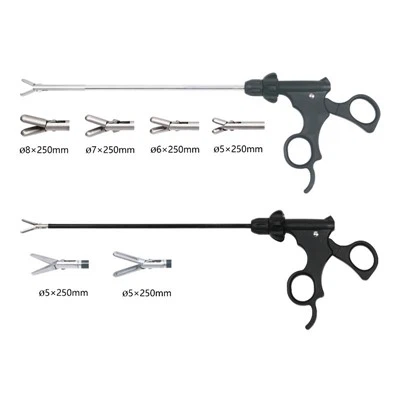
Surgical systems come with a variety of specialized instruments that are designed for minimally invasive surgery. These instruments are typically long and thin, allowing them to be inserted through the small incisions. They are also highly maneuverable, enabling the surgeon to perform complex tasks such as cutting, suturing, and grasping tissues. Some instruments are even equipped with sensors and actuators that provide feedback to the surgeon, allowing for greater control and precision.
Robotic Assistance
In recent years, robotic – assisted surgical systems have become increasingly popular in minimally invasive surgery. These systems consist of robotic arms that are controlled by the surgeon using a console. The robotic arms are able to mimic the movements of the surgeon’s hands with a high degree of precision. They also offer enhanced dexterity, allowing the surgeon to perform more complex procedures. Robotic – assisted surgical systems also reduce the risk of tremors, which can improve the accuracy of the surgery.
Navigation and Guidance
Surgical systems often include navigation and guidance features. These features use preoperative imaging data, such as CT scans or MRIs, to create a 3D map of the patient’s anatomy. During the surgery, the system can use this map to provide real – time guidance to the surgeon. This helps the surgeon to navigate through the patient’s body more accurately and avoid damaging important structures.
Case Studies: Success Stories of Surgical Systems in Minimally Invasive Surgery
There are numerous case studies that demonstrate the effectiveness of surgical systems in minimally invasive surgery. For example, in the field of urology, robotic – assisted laparoscopic prostatectomy has become a standard procedure for treating prostate cancer. The robotic surgical system allows the surgeon to perform the procedure with greater precision, resulting in better outcomes for the patient. The patient experiences less blood loss, a shorter hospital stay, and a faster recovery time compared to traditional open surgery.
In gynecology, minimally invasive surgical systems are used for procedures such as hysterectomies and myomectomies. These procedures can be performed through small incisions in the abdomen or vagina, reducing pain and scarring for the patient. The surgical systems provide the surgeon with the necessary tools and visualization to perform the surgery safely and effectively.
Challenges and Limitations
While surgical systems have revolutionized minimally invasive surgery, they are not without their challenges and limitations. One of the main challenges is the high cost of these systems. The initial purchase price, as well as the cost of maintenance and training, can be prohibitive for some healthcare facilities. This can limit the availability of these advanced technologies to patients.
Another challenge is the learning curve associated with using surgical systems. Surgeons need to undergo extensive training to become proficient in using these complex systems. This can take a significant amount of time and resources, and there is a risk of complications during the learning process.
The Future of Surgical Systems in Minimally Invasive Surgery
Despite the challenges, the future of surgical systems in minimally invasive surgery looks promising. Advancements in technology are expected to make these systems more affordable, accessible, and user – friendly. For example, there is ongoing research in the development of smaller, more portable surgical systems that can be used in a wider range of healthcare settings.
The integration of artificial intelligence (AI) and machine learning into surgical systems is also a promising area of research. AI can be used to analyze the imaging data and provide real – time feedback to the surgeon. It can also help in predicting the outcome of the surgery and providing personalized treatment plans for the patients.
Conclusion

In conclusion, surgical systems are an essential tool in minimally invasive surgery. They provide the necessary imaging, instrumentation, and guidance to enable surgeons to perform these procedures safely and effectively. While there are challenges and limitations associated with these systems, the benefits they offer to patients are significant. As technology continues to advance, we can expect to see even more sophisticated surgical systems that will further enhance the field of minimally invasive surgery.
Rigid Endoscope Parts If you are a healthcare provider interested in improving your minimally invasive surgery capabilities, we offer a range of high – quality surgical systems that are designed to meet your needs. Our systems are backed by extensive research and development, and we provide comprehensive training and support to ensure that your surgical team can make the most of these advanced technologies. We invite you to reach out to us to discuss your specific requirements and explore how our surgical systems can benefit your practice.
References
- Moghadamyeghane, M., et al. "Robotic – assisted laparoscopic surgery: History, current applications, and future perspectives." J Minim Invasive Gynecol, 2016.
- Chauhan, R., et al. "Advancements in minimally invasive surgical technology." Curr Gastroenterol Rep, 2018.
- Satava, R. M. "The past, present, and future of robotic surgery." Surg Endosc, 2002.
Zhejiang Jiacheng Medical Instrument Co., Ltd.
We’re well-known as one of the leading surgical system manufacturers and suppliers in China, specialized in providing high quality customized service to global clients. Please feel free to buy discount surgical system from our factory. Contact us for more details.
Address: Building 8, Shutai · Fuchun Innovation Park, No. 516, Majia Road, Fengchuan Subdistrict, Tonglu County, Hangzhou, Zhejiang Province, China
E-mail: Ken.huangfu@jiachengmedical.com
WebSite: https://www.jiachengmedical.com/
