Installing a cylinder kit is a significant task that requires not only technical expertise but also a strong commitment to safety. As a supplier of high – quality cylinder kits, I’ve had the opportunity to witness firsthand the importance of safety precautions in this process. In this blog post, I’ll share some essential safety measures that you should take when installing a cylinder kit. Cylinder Kit
Pre – installation Safety Checks
Before you even start the installation process, it’s crucial to conduct a series of pre – installation safety checks. First and foremost, ensure that you have a clean and well – ventilated workspace. A dirty environment can introduce contaminants into the engine, which can cause serious damage to the cylinder kit components. Dust, debris, and metal shavings can all find their way into the engine, leading to premature wear and reduced performance.
Ventilation is equally important. The installation process may involve the use of solvents, lubricants, and other chemicals that can emit harmful fumes. Adequate ventilation will help to disperse these fumes and prevent you from inhaling them. If possible, work in an area with open doors or windows, or use a ventilation system such as a fan or an exhaust hood.
Next, gather all the necessary tools for the installation. Using the right tools is not only important for the success of the installation but also for your safety. Dull or improper tools can slip, causing injuries to your hands or other body parts. Make sure that all your tools are in good working condition, properly sharpened if required, and sized correctly for the job. For example, when removing and installing bolts, use the right size of wrench to avoid stripping the bolts.
Inspect the cylinder kit thoroughly before installation. Check for any signs of damage or defects in the components, such as cracks, scratches, or deformities. Cylinder kits are precision – engineered parts, and even minor defects can lead to significant problems down the road. If you notice any issues with the kit, contact your supplier immediately. As a supplier, we stand behind our products and will work with you to resolve any problems.
Personal Protective Equipment (PPE)
Wearing the appropriate personal protective equipment is non – negotiable when installing a cylinder kit. Start with safety glasses or goggles. During the installation process, there’s a risk of small metal particles, debris, or chemicals getting into your eyes. Safety glasses will provide a physical barrier to protect your eyes from these hazards. Make sure that the glasses fit properly and have side shields for maximum protection.
Gloves are also essential. They protect your hands from cuts, abrasions, and chemical exposure. When working with sharp edges or rough surfaces, a good pair of work gloves will prevent injuries. Additionally, if you’re using solvents or lubricants, gloves will prevent the chemicals from coming into direct contact with your skin, which can cause irritation or allergic reactions. Choose gloves that are made of a suitable material for the task at hand, such as nitrile or leather.
Ear protection may be necessary if you’re using power tools during the installation. Power drills, impact wrenches, and other tools can produce high – decibel noise that can damage your hearing over time. Wear earplugs or earmuffs to reduce the noise level and protect your ears.
A dust mask or respirator may be required depending on the nature of the work. If you’re sanding or grinding components, or if you’re working in a dusty environment, a dust mask will prevent you from inhaling harmful particles. For more hazardous chemicals, a proper respirator should be used.
Installation Process Safety
When it comes to the actual installation process, there are several safety precautions to keep in mind. First, follow the manufacturer’s instructions carefully. The instructions provided with the cylinder kit are designed to ensure a proper and safe installation. Deviating from these instructions can lead to incorrect installation, which can cause engine failure or other safety hazards.
Before removing any engine components, make sure that the engine is completely cool. A hot engine can cause burns if you come into contact with it. Allow the engine to cool for at least an hour or two after it has been running before you start the installation.
When removing and installing bolts, use the correct torque settings. Over – tightening or under – tightening bolts can cause serious problems. Over – tightened bolts can break or strip, while under – tightened bolts can come loose during operation, leading to leaks or component failure. Use a torque wrench to ensure that the bolts are tightened to the recommended specifications.
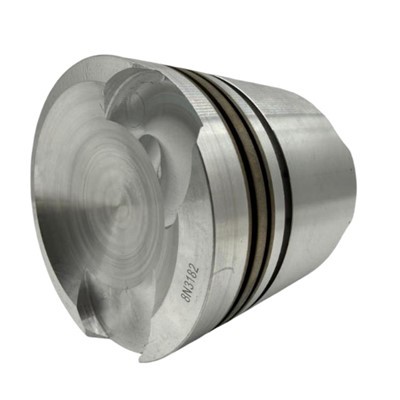
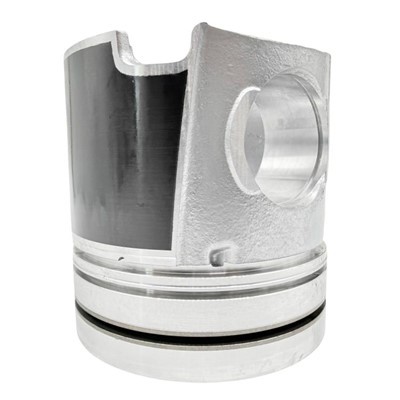
Be careful when handling the cylinder and piston. These components are delicate and can be easily damaged. Avoid dropping or hitting them against hard surfaces. When installing the piston, make sure that it is properly aligned with the cylinder bore. Misalignment can cause excessive wear on the piston and cylinder walls, leading to reduced performance and potential engine damage.
If you’re using a honing tool to prepare the cylinder bore, follow the safety guidelines for the tool. Honing involves rotating a tool at high speed, which can be dangerous if not used correctly. Keep your hands and fingers away from the rotating parts, and make sure that the tool is securely fastened to the cylinder.
Post – installation Safety Checks
After the installation is complete, it’s important to perform a series of post – installation safety checks. First, visually inspect the entire installation to make sure that all components are correctly installed and tightened. Look for any signs of leaks, such as oil or coolant seepage. Leaks can indicate a problem with the installation and should be addressed immediately.
Next, start the engine and listen for any unusual noises. A knocking or rattling sound may indicate a problem with the installation, such as a loose component or improper piston – to – cylinder clearance. If you hear any unusual noises, stop the engine immediately and inspect the installation further.
Check the engine’s oil level and coolant level. Low oil or coolant levels can cause serious engine damage. Make sure that the levels are within the recommended range and that there are no signs of contamination.
Finally, take the vehicle for a short test drive. Pay attention to how the engine performs. Look for any changes in power output, acceleration, or fuel efficiency. If you notice any problems during the test drive, bring the vehicle back and have the installation checked again.
Conclusion
YUNNEI Piston Installing a cylinder kit is a complex but rewarding task. By following these safety precautions, you can ensure a successful and safe installation. As a supplier of cylinder kits, we are dedicated to providing you with high – quality products and the support you need to install them safely. If you have any questions or need further assistance with the installation process, don’t hesitate to reach out to us. We’re here to help you every step of the way. Whether you’re a professional mechanic or a DIY enthusiast, we can provide you with the expertise and guidance to make your cylinder kit installation a success. Contact us today to discuss your cylinder kit needs and start the procurement process.
References
- Engine Repair Manuals – Various manufacturers
- Occupational Safety and Health Administration (OSHA) guidelines for working on engines
- Cylinder Kit Product Manuals provided by the supplier
Hebei Yuwei Piston Co., Ltd.
As one of the most professional cylinder kit manufacturers and suppliers in China, we’re featured by quality products and good service. Please rest assured to buy customized cylinder kit made in China here from our factory. Also, quotation is available.
Address: Beizhujiacun Village, Sujiuzhuang Town, Ningjin County, Xingtai City, Hebei Province
E-mail: jack@ywpiston.com
WebSite: https://www.ywpiston.com/
