If you’ve ever stood at the cask of a perfectly clear, crisp beer, sipped it and wondered how that clarity is achieved, I want you to consider this: none of that would happen without the quiet work of the brewing filtration system. As a supplier of brewing auxiliary equipment, I talk to craft brewers and large production teams every week who underestimate how critical this auxiliary gear is—not just as a secondary step, but as the backbone of consistent beer quality, shelf stability and batch yield. I’ve seen brewers waste thousands of dollars on spoiled batches because they skipped a small filter element upgrade, or cut corners on maintenance, or misunderstood how each component of the filtration system works together. Today, I want to walk through every part of a typical brewing filtration system, from the first point wort touches the filter to the final, clarified beer making its way to packaging. My hope is that by the end, you’ll see why this auxiliary equipment isn’t an afterthought—it’s a make-or-break piece of your brewing process. Brewing Auxiliary Equipment
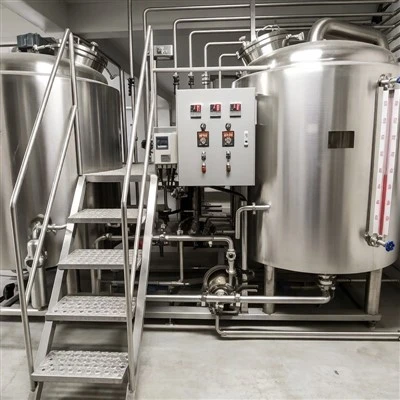
Let’s start with the foundation: the filtration pump. If the pump is mismatched to your system, nothing else will work, no matter how high-quality your filter media is. I’ve worked with a 10-barrel craft brewery in Ohio a few years back that installed a standard agricultural water pump for their wort filtration, and within a week they saw foamy, inconsistent flow rates that left 12 batches cloudy. Wort is heavier than water, has a higher sugar content and can have leftover trub (the sediment from the boil) that’s sharp enough to damage impellers if the pump isn’t designed for brewing use. A brewing-specific filtration pump is usually a centrifugal pump with a closed impeller, not an open one, because open impellers can catch small trub particles and clog mid-batch. It’s also calibrated to deliver constant pressure—usually between 10 and 25 PSI, depending on the filter type—because fluctuating pressure can push fine sediment through the filter or rupture fragile filter media. Some smaller systems use positive displacement pumps, but for most commercial brewers, centrifugal is the workhorse, and the key here is matching the pump’s flow rate to your filtration tank’s size. For example, a 50-barrel filtration system needs a pump that can move 10 to 15 barrels per hour, enough to process the entire batch before off-flavors from prolonged exposure to oxygen can set in.
Next up is the filter housing or vessel, the core of the operation. This isn’t your average plastic bucket—brewery-grade filter vessels are built from food-safe 304 or 316 stainless steel, because they need to withstand repeated high-temperature cleaning (CIP, or Clean-in-Place, which we’ll talk about later) and not leach chemicals into the beer. There are two main types of vessels depending on your brewing scale: plate and frame filter presses, and cartridge filter housings. Plate and frame systems are the workhorses for large production runs—think 50-barrel and up—because they use reusable filter plates stacked together, with filter cloths stretched between them to form a large filtration area. A single plate press can have 20 to 50 plates, translating to hundreds of square feet of filtration space, which means you can process a full batch of wort in 1 to 2 hours, compared to 3 to 4 hours for small cartridge systems. For craft brewers under 10 barrels, cartridge filter housings are more common: they hold multiple cylindrical filter cartridges stacked vertically, so they take up less floor space and are easier to set up for small batches. The vessel itself is designed with sloped bottoms or internal baffles to ensure that all wort flows through the filter media, leaving no pockets of unfiltered liquid that would dilute the final batch. Also, critical: all vessels have pressure gauges and relief valves. I can’t tell you how many times a brewer has skipped calibrating their pressure gauge, leading to overpressurization that blew out filter cloths and ruined a $5,000 batch of IPA.
Then there’s the filter media, the unsung hero of the entire system, because this is what actually catches the particles that make beer cloudy. Brewers often ask me, “Why can’t I just use a regular kitchen strainer?” and the answer is simple: regular strainers only catch large trub particles, not the fine protein particles, yeast debris and spent grain remnants that cause haze. Filter media comes in three main types, each designed for a specific beer style and filtration goal. First, filter cloths, used almost exclusively in plate and frame presses. These are made from polypropylene or polyester, and their pore size is measured in microns—usually between 1 and 50 microns. Hazy styles like hefeweizen might use a 20-micron cloth to retain some yeast for that cloudy, fruit-forward character, while clear lagers use a 1-micron cloth to catch every last fine particle. The big mistake I see here is reusing filter cloths too many times. A cloth that’s been used 10 times will have pores clogged with old sediment, which increases pressure, slows down filtration and can push particles through the cloth, leading to off-flavors. Most cloths should be replaced after 5 to 8 uses, depending on how much trub is in your wort. Second, filter cartridges, used in small-scale systems. These are made from cellulose, diatomaceous earth (DE) or polypropylene, and are disposable, which makes them ideal for brewers who don’t want the hassle of cleaning cloths. For dry-hopped beers, which have heavy hop residue, DE cartridges are popular because they’re rigid and can catch fine hop oils without clogging quickly. Third, there’s the filter aid, a powder that brewers mix with wort before filtration to boost media performance. Diatomaceous earth is the most common, made from fossilized algae that has tiny, porous particles that catch fine sediment that regular media misses. A small amount of filter aid—usually 0.25 to 0.5 pounds per barrel of wort—mixed into the wort before it enters the filter pre-coats the media and creates a barrier that keeps particles from clogging the filter. That said, some brewers avoid DE because it’s not 100% biodegradable and can leave a chalky aftertaste if not rinsed properly, so newer filter aids like perlite, made from volcanic glass, are growing in popularity as a more sustainable alternative.
Now, we can’t talk about brewing filtration without mentioning the CIP system, because filtration doesn’t end when the last drop of wort is filtered. In fact, a big part of filtration performance depends on how well you clean your system between batches. CIP stands for Clean-in-Place, a process that uses hot water, caustic solution and acid to clean every part of the filtration system without disassembling it. The CIP connection is a small but critical auxiliary component that plumbs into the pump and filter vessel, so you can run cleaning solutions through the entire line in 30 to 60 minutes. The temperature is key here: caustic solution works best at 120 to 140 degrees Fahrenheit, which breaks down protein and sugar residue that’s stuck to the filter media. Many small brewers skip proper CIP, especially when they’re cranking out batches in a rush, and that leads to clogged filters, cross-contamination between beer styles (I once had a brewer who accidentally flavored a stout with a sour beer residue because he didn’t clean his filter properly) and shortened filter media lifespan. A good CIP system for filtration is designed to maintain consistent flow and pressure during cleaning, so every nook and cranny of the filter vessel and lines get exposed to the solution, not just the main path.
Another component that’s often overlooked is the flow meter, which tracks how much filtered beer you’re producing in real time. I worked with a craft brewery last year that had a 10-barrel batch that came up 1.5 barrels short, and they spent days tracking down the mistake—turns out their pump was leaking, and the flow meter wasn’t calibrated, so they didn’t notice until they checked their yield. A flow meter, usually installed after the filter vessel, lets you monitor filtration rates and catch leaks early, which saves you money on wasted beer and reduces maintenance costs. Some modern systems even have digital flow meters that sync to your brewing software, so you can log filtration times, pressure and yield automatically, which is a big help for quality control, especially for brewers who are looking to scale up to contract brewing or distribute their beer to multiple states.
We also need to talk about safety and auxiliary components, because filtration systems handle high pressure and, in some cases, flammable materials (though usually less than the boil kettle, still worth noting). Pressure relief valves are non-negotiable—they automatically release excess pressure if the filter clogs and pressure builds up, which can cause the vessel to rupture if left unaddressed. I’ve seen two filter vessel ruptures in my 12 years as an auxiliary equipment supplier, and both happened because the pressure relief valve was stuck from not being cleaned. A valve that’s cleaned every month will prevent that kind of disaster. Then there’s the sampling port, a small valve that lets you draw a sample of filtered beer mid-batch to check clarity before moving to the next step. It’s a simple component, but it’s critical for quality control: if the sample is cloudy, you can adjust the pressure or change the filter media mid-batch, instead of realizing after the whole batch is filtered that you have to reprocess it. Finally, there’s the waste collection line, which carries the spent filter media and sediment away from the system. This line is usually plumbed to a separate waste tank, because you don’t want to mix that sediment back into your beer, and it’s designed to handle thick, heavy filter aid and trub without clogging.
Now, I want to address a common misconception: many brewers think that filtration is just for large production breweries, but that’s not true. Even a 1-barrel nano-brewery can benefit from a small cartridge filtration system, because it lets you create a consistent, clear beer that will keep longer, which is essential if you’re selling to local bars and restaurants that can’t handle fresh, unfiltered beer that goes bad in a week. The key is matching each component of the filtration system to your specific needs, not just buying the largest or most expensive system on the market. For example, a nano-brewery that only makes hazy IPAs might not even need a filter press—they can get by with a good strainer and a simple cartridge filter for occasional batches that need extra clarity. But a 50-barrel brewery that distributes across the country will need a plate and frame system, a robust CIP setup, and a quality control flow meter to make sure every batch is consistent.
Let me also share a mistake I see all the time, that ties all these components together: brewers install a filtration system, then neglect to calibrate and maintain every part of it. The filter pump works great for 6 months, then slows down because the impeller is worn, so filtration takes twice as long. The pressure gauge is off, so they run the filter at too high a pressure, blowing out the media. The CIP system isn’t working right, so residue builds up and clogs the media. It’s like owning a car and only changing the oil once a year—eventually, something will break, and it will cost you a lot more than the regular maintenance would have. As an auxiliary equipment supplier, my job isn’t just to sell you a filtration system—it’s to help you maintain it, train your team on how each component works, and adjust it as your brewery grows. I’ve had brewers call me panicking at 2 a.m. because their filter is clogged and they have to process a batch by the next day, and most of the time, the problem was a simple maintenance task they skipped.
If you’re a brewer who’s looking to upgrade your filtration system, or if you’re just starting out and trying to figure out what components you actually need, let’s have a conversation. There’s no one-size-fits-all solution, and I’d rather help you build a system that fits your batch size, beer styles and production goals than sell you something that’s too big, too expensive or missing key parts. Filtration isn’t the most glamorous part of brewing, but it’s the part that turns a good beer into a reliable beer that your customers will come back for. That’s why every component matters, from the pump to the pressure relief valve to the filter media.
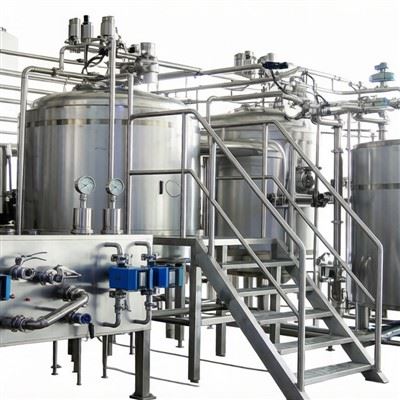
I can’t stress enough how important it is to work with a supplier who understands brewing, not just general industrial equipment. A lot of non-specialized suppliers will sell you a filtration system that works for water processing, but not for wort, because they don’t account for the sugar content, trub or temperature requirements of beer. That’s why I’ve spent years designing and refining brewing auxiliary equipment that’s built specifically for the needs of brewers, not just other industries.
Auxiliary System If you’re ready to talk about what components your filtration system needs, whether you’re scaling up or just starting out, don’t hesitate to reach out. We can walk through your current process, identify gaps, and build a system that helps you produce consistent, high-quality beer while minimizing downtime and waste. Brewing is all about attention to detail, and the filtration system is where those details pay off, one clear, perfect pint at a time.
References
- Fix, George J. Brewing Science: A Comprehensive Approach. American Society of Brewing Chemists, 2018.
- Palmer, John J. How to Brew: Everything You Need to Know to Brew Beer Right the First Time. 3rd ed, Brewers Publications, 2006.
- Stewart, Graham G., and Inge Russell. Brewing: Science and Practice. Woodhead Publishing, 2013.
- European Brewery Convention. EBC Analytica: Recommended Methods for the Analysis of Beer and Brewing Raw Materials. 9th ed, EBC, 2020.
- Kunze, Wolfgang. Technology Brewing and Malting. 6th ed, VLB Berlin, 2019.
Wenzhou Jinggong Machinery Equipment Co., Ltd.
We are one of the most professional brewing auxiliary equipment manufacturers and suppliers in China. With abundant experience, we warmly welcome you to buy customized brewing auxiliary equipment at competitive price from our factory. If you have any enquiry about quotation, please feel free to email us.
Address: No.Jiadi Industrial Zone, Yaoxi Town, Longwan District, Wenzhou City, China.
E-mail: jinggong2026@163.com
WebSite: https://www.jg-ind.com/
