If you’ve ever bought a bag of protein powder, laundry detergent, or even the little multivitamin tablets you pop every morning, you’ve interacted with the end result of a powder mixer. As someone who’s spent the last 8 years selling these mixers—aka a powder mixer supplier, not a brand new guy still learning the ropes—I get asked this question all the time: what actually makes up one of these machines? It’s not just a big metal drum spinning around (trust me, I’ve had customers tell me that before, and it’s wild how wrong that is). Let’s break it down, no fancy jargon, just what actually matters when you’re trying to mix a fine powder without making a mess. Powder Mixer
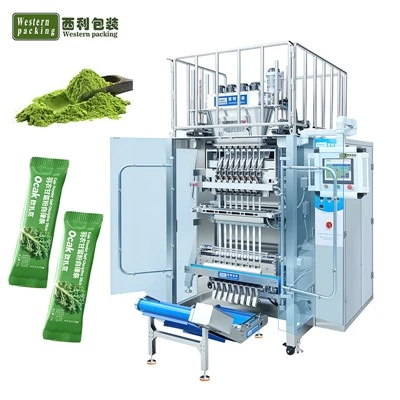
First off, let’s start with the base—no, not your work desk, the actual foundation of the mixer. The base (or frame, if you want the technical name but I usually say base) is the unsung hero here. This isn’t just a pile of welded steel to hold everything up; it’s built to handle the weight of a full load of powder without shaking so bad it walks across the floor. I once sold a small batch mixer to a startup that skipped this part, thinking they could use a flimsy metal stand they already had. First run, the mixer hopped off the loading dock and knocked over a pallet of empty powder bags. Total disaster. Now, every mixer I sell has a reinforced steel base with rubber foot pads—those not only keep it from moving but also cut down on noise, which is a win for your team’s ears. Some larger industrial mixers have casters instead of fixed feet, too, if you need to move it between production lines.
Next up is the mixing chamber—this is where all the action happens. It’s not a random drum; the shape and material here make or break a good mix. Most small to mid-sized mixers I supply use a V-shaped or double-cone chamber. Why those shapes? Because they tilt the powder toward the center, so when the mixer spins, half the powder rolls one way and the other half rolls the opposite. That eliminates the “dead spots”—parts of the powder that never actually mix, which is super important if you’re mixing things like flavoring into protein, where even a little dead spot means some batches have too much vanilla and some have none. For harsher materials or higher sanitation needs, we also offer U-shaped chambers, but those are mostly for big industrial runs. The material? Food-grade stainless steel 304 or 316—no exceptions. It’s easy to clean, doesn’t react with the powder, and won’t leach anything into your product. I once had a customer use a cheap aluminum chamber for a baby formula mix, and after a month of running, they found tiny metal shavings in the powder. Ruined their whole batch, and their product recall cost way more than just going with the right material in the first place.
Now, the part that actually does the mixing: the agitator. This is the part everyone thinks is just a prop, but no—without the right agitator, your mixer is just a fancy drum spinner. There are a few types, and I match the agitator to what the customer is mixing. For delicate powders, like pharmaceutical excipients or gourmet coffee creamer, I use a ribbon agitator. It’s like a spiral of metal ribbons that lift and fold the powder gently, so you don’t break any fine particles or create clumps. For heavier, more abrasive stuff, like construction mortar components or metal powders, a paddle agitator is better—sturdier, slices through dense powder without wearing out fast. And for high-volume industrial runs, there’s the screw agitator, which moves powder in a continuous, uniform stream. I always tell new buyers: don’t just get an agitator that fits the chamber. If your powder clumps, you need a different one than if it’s super fine. I once sold a mixer with a ribbon agitator to a guy mixing dry cement. He called me a week later, frustrated that it wouldn’t blend right. Turned out, he needed a paddle agitator for the dense, chunky cement mix. Swapped that out, and he was good to go in 10 minutes. That’s the kind of stuff no manual tells you—you learn it by dealing with hundreds of mixers, which is why I’m not just a supplier, I’m someone who helps you get the right setup.
Then there’s the drive system, which is the engine of the mixer. Most mixers I sell use an electric motor paired with a gearbox—no fancy hydraulic stuff unless you’re running a really big industrial line. The motor’s power depends on the size of the mixer, obviously, but the gearbox is what keeps the spin speed consistent. If the speed is off, your mix is off. Too fast, and the powder gets flung to the walls and doesn’t move. Too slow, and it just sits there. The gearbox makes sure the mixer spins at the exact RPM you set, which is usually between 10 and 30 RPM for most powder mixers. Some high-end ones have variable speed drives, so you can adjust it for different products. I always recommend that to customers who mix multiple things—one day protein powder, the next baby formula, you don’t want to rebuild the mixer every time.
Wait, let’s not forget the loading and discharge parts—those are the parts you use every day, so they shouldn’t be an afterthought. Loading is usually a big hinged lid on top of the mixing chamber. For small lab or batch mixers, it’s a manual lid you lift, but for larger ones, there’s a pneumatic or hydraulic lift so you don’t have to crank it open yourself. The discharge is where the powder comes out when it’s done mixing. Most mixers have a slide valve or a butterfly valve here. Slide valves are good for fine powders that might leak through a butterfly valve, and butterfly valves are faster for high-volume runs. A lot of customers ask about dust control here—if you’re mixing fine powders, you don’t want clouds of dust going everywhere, right? So I make sure every mixer I sell has a small dust port on the discharge, so you can hook up a vacuum and catch all the loose dust. I once had a plant manager tell me his old mixer would coat the whole break room in powder after each run. Switched to a mixer with a dust port, and now his break room stays clean. That’s the little detail that makes a big difference.
Also, safety features—this is non-negotiable for any mixer I sell. Powder mixers spin fast, and if you stick your hand in there when it’s running, that’s a disaster. So every one has an emergency stop button that’s big, bright red, and right where anyone can reach it. Some also have a safety interlock on the lid—if the lid is open, the mixer can’t turn on. That’s not just a nice feature; it’s a requirement in most places for industrial equipment. I once had a customer skip that to save a few bucks, and a worker almost got their sleeve caught in the agitator. They had to shut the whole line down for a day, and the workers’ comp cost was way more than the safety feature would’ve been. Safety isn’t something you cut corners on, and I make sure every mixer I supply has all the basics covered.
Wait, should I mention controls? Yeah, controls are what you use to run the mixer. Small batch mixers usually have simple push-button controls—start, stop, speed adjust. Larger industrial ones have touchscreen controls where you can program different mix cycles, like how long to mix for, what speed to use, even track how many batches you’ve run. A lot of customers like that because it helps with consistency—if you make the same product every week, you don’t have to reset the mixer every time. I also offer Bluetooth controls for some models, so you can start the mixer from your phone if you’re in another part of the plant. That’s a newer feature, but it’s super handy for guys who are always on the move.
Let me wrap this up, because I know you don’t want a 5-page essay. The next time someone asks you what’s in a powder mixer, don’t just say “a drum and a motor.” Break it down: the reinforced base that keeps it stable, the chamber shaped for your specific powder, the agitator that actually does the mixing, the drive system that keeps it spinning right, the loading and discharge parts for daily use, and the safety and control features that make it useful and safe.
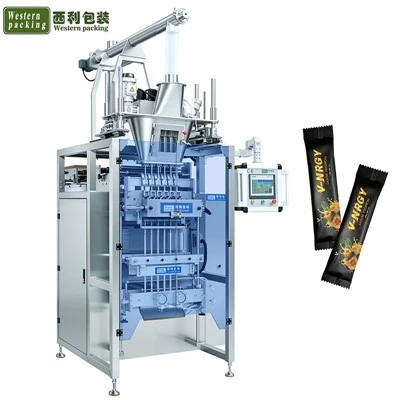
If you’re in the market for a powder mixer, don’t just go for the cheapest option. Reach out—whether you’re a small startup just starting out with protein powder, or a big industrial plant making laundry detergent, I can help you pick the right parts, the right size, and the right mixer for your needs. I’m not here to push a big, expensive mixer you don’t need; I’m here to make sure you get something that works for your business.
Liquid Packaging Machine Reference
- "Powder Mixing Fundamentals," Powder and Bulk Engineering, Vol. 37, No. 4, 2023, pp. 24-31.
- Safety Standards for Industrial Mixing Equipment, Occupational Safety and Health Administration (OSHA), 2022.
- Design Guidelines for Powder Mixing Chambers, Journal of Food Engineering, Vol. 128, No. 2, 2015, pp. 45-52.
Guangzhou Western Packing Co., Limited
Guangzhou Western Packing Co., Limited is one of the most professional powder mixer manufacturers and suppliers in China, also supports custom service. With abundant experience, we warmly welcome you to wholesale durable powder mixer at competitive price from our factory.
Address: No.3, Yilong street, Wulonggang, Zhongluotan Twon, Baiyun District, Guangzhou
E-mail: david@westernpacking.com
WebSite: https://www.westernpackingusa.com/
