Hey there,
If you’re running a wheel loader shop (or just own one of these bad boys), you know that a finicky throttle can turn a routine job into a headache fast. Mess around with it wrong, and you’re either crawling along when you need to plow through dirt, or revving so hard you’re burning fuel like it’s free and wearing out parts before their time. As a wheel loader supplier who’s helped dozens of mechanics and operators tweak their throttle setups over the years, I’ve seen every mistake—from cranking the adjustment screw too tight to ignoring that tiny vacuum hose hidden under the hood. Let’s break this down step by step, no fancy engineer jargon, just stuff that actually works in the dirt. Wheel Loader
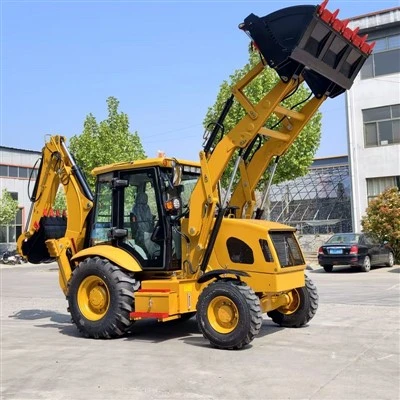
First, let’s keep this focused on the most common throttle style on wheel loaders: the cable-operated one. Yeah, some new models have electronic throttles now, but 9 out of 10 loaders out there rolling around the worksite still use a cable, and that’s where 90% of adjustment issues happen. Why? Cables stretch, fray, or get gunked up with dirt and mud way faster than any other part on the loader. I’ve had operators call me at 7 a.m. saying their loader won’t hit full speed, and half the time it’s just a 10-minute cable tweak, not a huge repair bill.
Before you touch anything, grab a few basic tools you probably already have: a 10mm wrench, a flathead screwdriver, a pair of work gloves (you don’t want to get grease under your nails), and a rag to wipe off the mess on the throttle assembly. Also, park the loader on level ground, set the parking brake, turn off the engine, and pop the hood. Seriously, do that first. I’ve seen way too many guys skip the park-on-level-ground step, and when they adjust the throttle, it’s off because the loader’s on a slope. No one wants a throttle that works great on flat ground but dies when you’re loading a truck on a hill.
Now, let’s locate the throttle assembly. On most mid-size to large wheel loaders, this is right on the engine, near the firewall, connected to the gas pedal inside the cab by that long, gray or black cable. You’ll see two parts here: the throttle lever mounted on the engine (it’s the metal arm that moves when you wiggle the cable end) and the adjustment mechanism. Most loaders use a threaded rod with a lock nut—you’ll need that 10mm wrench to loosen the lock nut first. Don’t crank the nut off, just loosen it enough that the rod can slide back and forth easily.
Here’s the first test to get the adjustment right. Inside the cab, press the gas pedal all the way to the floor and hold it there. Now, go back to the engine side and look at the throttle lever. You want this lever to hit its stop—you shouldn’t see any more movement, and the engine should be at full RPM. If the lever isn’t hitting the stop, you need to loosen the lock nut, pull the threaded rod a little longer (turn the rod out if it’s threaded, or slide the cable housing if it’s a slide-style setup) until the lever is all the way forward against the stop. Hold the rod steady, tighten the lock nut back down, then go test it in the cab. Press the gas all the way down—if the engine’s still not at full speed, you might need a tiny bit more adjustment, but don’t overdo it. Over-adjusting here is how you get that “always revving” problem, which kills fuel mileage and makes the operator’s foot tired by the end of the day.
Wait, but what if your loader has an electronic throttle? Yeah, those are the newer ones, especially on Tier 4 final models. Electronic throttles don’t have a cable—they use sensors that send signals from the gas pedal to the engine control module (ECM). Adjusting those is a little different, because you can’t just tweak a cable; you might need to use a diagnostic tool. But hold up—before you run out and buy a $500 scanner, check the basics first. A lot of electronic throttle issues are just dirty pedal sensors or loose wiring. I’ve had a customer whose loader’s throttle was stuck at half speed, and it turned out a mouse had chewed through the wiring harness near the pedal. That’s way cheaper to fix than a throttle adjustment. If you do need to adjust an electronic throttle, it’s not a DIY job for most guys—you’ll need to either pull your loader’s service manual (we can hook you up with that, by the way) or bring it to a mechanic who works on heavy equipment. Messing with the ECM wrong can throw a code that shuts the loader down mid-job, which is the last thing you want on a worksite with a deadline.
Now, let’s talk about the common mistakes that mess up throttle adjustments, because even if you do it right once, things will go wrong again eventually. First, dirt in the cable housing. That cable runs from the cab to the engine, so it’s exposed to mud, dust, and rain 24/7. If you don’t lube it every 50 hours, it’ll stick, and your throttle will feel stiff or only move halfway. I recommend using a silicone-based lube, not regular grease—grease just attracts more dirt. Squirt a little into the cable housing every oil change, and that’ll cut down on a ton of adjustment issues. Second, stretching cables. Cables don’t last forever—they’ll stretch after a few years of use, and that means your adjustment will be off. If you’re adjusting the cable every other month, it’s probably time to replace it. We sell replacement cables for most wheel loader models, so don’t wait until it breaks mid-job. Third, not checking the idle speed. A lot of guys only adjust the wide-open throttle, but the idle is just as important. If your idle is too low, the loader will stall when you stop to switch buckets; if it’s too high, you’re wasting fuel when you’re not working. To adjust the idle, look for the idle screw on the throttle lever—usually a small Phillips head. Turn it clockwise to raise the idle, counterclockwise to lower it. Shoot for 800-1,000 RPM when the engine’s warm, that’s the sweet spot for most loaders.
Wait, what if you’re having throttle response issues, like when you press the gas, it takes a second to rev? That’s usually not an adjustment problem—it’s a worn throttle return spring. That spring is what pulls the throttle lever back to idle when you let off the gas. If it’s weak, the lever won’t snap back, so you get that lag. Replacing the return spring is cheap, and it’ll fix that annoying lag way better than any adjustment. I’ve seen a guy spend an hour tweaking his throttle, only to realize his return spring was broken—dude wasted time he could’ve been loading trucks.
Now, let’s cover a quick troubleshooting checklist if your throttle’s acting up. First, does the gas pedal move smoothly? If it’s stiff, the pedal hinge is probably dirty—take a rag and wipe it down, squirt a little lube on it. Second, check the cable for frays. If you see any broken wires, replace it immediately. A frayed cable can snap at the worst time, like when you’re lifting a load of concrete. Third, for electronic models, check the wiring harness. Look for loose connections, frayed wires, or corrosion around the connectors. If you find a corroded connector, spray it with electrical contact cleaner, that often fixes sensor issues.
As a wheel loader supplier, here’s the thing: we get that downtime is money. If your throttle’s off, you’re not working, and that’s a problem. We don’t just sell parts—we help operators and mechanics fix their loaders fast. If you’re trying to adjust your throttle and it’s not working, or you need replacement parts (cables, springs, even diagnostic tools), hit us up to chat through your setup. We’ve worked with thousands of loaders, so we can give you the right advice, no sales pitch, just straight info.
Before you go, a few final tips. Never adjust the throttle when the engine’s hot—wait 10 minutes after turning it off, because parts expand when hot, and you’ll get a wrong adjustment. Also, after you adjust it, test it in different scenarios: idle, half throttle, full throttle, and even when you’re on a slight slope. Don’t just test it in the shop—take it out for a 10-minute run around the worksite. That way, you’ll catch any issues that would’ve popped up mid-job.
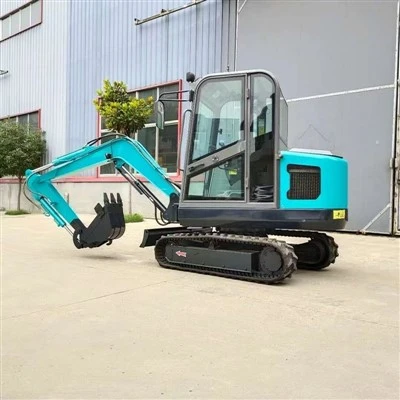
Throttle adjustment isn’t rocket science, but it’s one of those maintenance tasks that gets overlooked until it causes a big headache. A 10-minute tweak every few months saves you from hours of downtime, and keeps your loader running at peak efficiency. If you’re still stuck, or need parts to make the adjustment work right, don’t hesitate to reach out. We’re here to help keep your wheel loader moving.
Excavator References:
- Heavy Equipment Manufacturers Association. Wheel Loader Maintenance Guide, 2022.
- Caterpillar Inc. Throttle System Adjustment and Troubleshooting Manual, 2021.
- Komatsu Ltd. Electronic Throttle Calibration for Tier 4 Loaders, 2023.
- North American Equipment Service Association. Common Heavy Equipment Throttle Issues, 2022.
Shandong Feisite Machinery Co., Ltd.
As one of the most professional wheel loader manufacturers and suppliers in China, we’re featured by quality products and good service. Please rest assured to buy cheap wheel loader made in China here and get quotation from our factory. Customized orders are welcome.
Address: 100 meters south of Zengfusi Village, Mihe Town, Qingzhou City, Shandong Province
E-mail: Wpeng19911103@qq.com
WebSite: https://www.shandongfeisite.com/
