When my customers first reach out to me as a forklift supplier, one of the most common questions isn’t about lift capacity or fork length—it’s about the average service cost for a forklift. It makes total sense, too: running a forklift fleet means budgeting for more than just the initial equipment purchase. Maintenance, repairs, and routine service are what keep those machines moving, and unexpected costs can throw even the most tightly managed warehouse operations off track. Over the past 12 years in this business, I’ve worked with everyone from small business owners with one hand-me-down forklift to large distribution centers with 40+ units, and I’ve seen firsthand how service costs vary depending on a dozen different factors. Let’s break this down so you’re not guessing when you need to set aside budget. Forklifts
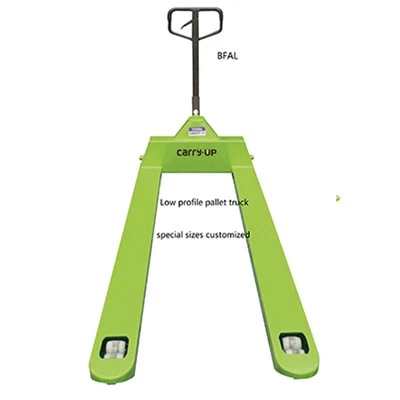
First, let’s clarify what “service cost” actually means for a forklift. A lot of folks think it’s just the oil change or a quick tire replacement, but in our industry, it covers routine scheduled maintenance, repair work for worn parts, emergency breakdowns, and even planned overhauls. Routine maintenance is non-negotiable—skipping that leads to bigger, more expensive problems down the line. For example, I had a customer last year who put off a $150 hydraulic fluid flush on a 5-year-old electric forklift. Six months later, the pump seized up, and the repair cost him $1,200. That’s a perfect example of how small service costs turn into major headaches when ignored.
Now, to the numbers. From the data I’ve collected through working with hundreds of clients, the average annual service cost for a single forklift lands somewhere between $1,200 and $2,500. But that’s a wide range, so let’s narrow it down by forklift type, because that’s the biggest single factor. Electric forklifts, which are the most popular choice for indoor warehouses, typically have lower annual service costs—usually between $1,200 and $1,800. Why? They have fewer moving parts than internal combustion (IC) forklifts, especially gas or diesel models. IC forklifts need regular tune-ups, exhaust system checks, and filter replacements for their engines, which adds up. For IC forklifts, that average jumps to $1,800 to $2,500 a year. I’ve seen some diesel-powered units run even higher, closer to $3,000 annually, if they’re used heavily in outdoor, dusty environments.
Another big variable is how many hours the forklift runs. Most service schedules are based on operating hours, not calendar time, so a forklift used for three shifts a day (around 6,000 hours a year) will have much higher service costs than one used for 1,500 hours a year. Let’s do a quick breakdown of routine service intervals for a 4,000-pound capacity forklift, which is the standard for most small to mid-sized warehouses. For an electric model: every 200 hours, you’ll need a brake inspection and battery terminal cleaning—costing about $80 to $100. Every 1,000 hours, that’s an oil change (for the hydraulic system, not the battery) and a tire check, which runs $150 to $200. Every 2,000 hours, a full battery load test and cooling system flush, which is around $300. Spread that out over a year for a 3,000-hour electric forklift, and that’s roughly $1,500, right in the middle of the average range. For an IC model, add in engine oil changes, air filter replacements, and spark plug checks every 500 hours—each of those adding $50 to $75—to that same schedule, and you’re easily hitting $2,000 a year.
Then there are repair costs, which are the wild cards. No matter how well you maintain a forklift, parts will wear out. Forks bend or get damaged, tires puncture, and batteries lose capacity over time. For a typical electric forklift, replacing a set of solid rubber tires costs $250 to $400, and a new battery is $1,500 to $3,000 (though batteries usually last 5 to 7 years with proper care). For IC forklifts, a new exhaust system is $300 to $500, and a transmission repair can run $800 to $1,200. I always tell customers to set aside an extra 10% to 15% of their annual service budget for unexpected repairs. I had a client with a 10-unit electric fleet who stuck strictly to the routine maintenance budget and didn’t set aside for surprises. When three batteries needed replacement in the same year, he went over budget by $4,200—something he never wanted to repeat.
Age of the forklift also plays a role. Newer forklifts (less than 3 years old) usually have lower service costs because they’re still under manufacturer warranty, and parts haven’t worn out yet. Their annual service costs are often as low as $900 to $1,300. Once a forklift hits 5 to 7 years old, service costs start to climb. Older units are more prone to breakdowns, and replacement parts might be harder to find (or more expensive, since they’re not common new parts). A 7-year-old IC forklift, for example, might have annual service costs closer to $2,700, compared to $1,800 for a 2-year-old model. That’s why a lot of my customers opt for a mix of new and used forklifts—used units under 5 years old still have lower costs than older ones, and they’re cheaper to buy upfront.
Location matters too, both for where you’re using the forklift and where you’re getting service. Forklifts used in dusty outdoor environments (like construction sites or lumber yards) need more frequent air filter changes and hydraulic flushes, which can add 10% to 15% to service costs. Forklifts in cold climates? The battery and hydraulic fluid need special checks to handle low temperatures, so service costs go up there as well. As for service providers, local independent forklift shops usually charge less than the manufacturer’s service center, though manufacturer centers might offer more specialized service for newer units. I work with a network of trusted service partners across the country, so I can connect customers to shops that offer fair, transparent pricing without cutting corners on quality. That’s a big selling point for me—no one wants to hire a cheap service tech who skips a step and leads to a breakdown.
Wait, let’s talk about a common misconception: some business owners think buying a forklift with a service contract is cheaper than paying as they go. From what I’ve seen, that depends on how much you use the machine. A monthly service contract for a single electric forklift usually runs $150 to $250 a month, which translates to $1,800 to $3,000 a year. If your forklift is used heavily, a contract can be worth it because it covers emergency repairs and scheduled service without surprise bills. But if you only use it part-time, paying per service call (around $100 for a standard maintenance visit) might be cheaper. I always sit down with customers to go through their usage numbers before recommending a contract or pay-as-you-go plan—no one-size-fits-all here.
I also want to mention two other costs that people often forget: labor and downtime. A lot of the “average service cost” numbers you see online don’t include downtime, but that’s a huge expense for any business. If your forklift breaks down for a day, and you have to rent a replacement unit for $100 to $150 a day, or your warehouse can’t unload shipments, that’s a cost way beyond the service bill. That’s why investing in regular service isn’t just about keeping the machine running—it’s about keeping your whole operation on schedule. Last quarter, a customer of mine had a forklift breakdown because they skipped a brake inspection. They were supposed to unload a 20-truck shipment that day, so they had to pay 3 overtime workers $20 an hour to manually move pallets. That $150 brake inspection would have saved them over $1,000 in overtime and lost productivity.
Now, what about for small businesses with just one forklift? I’ve worked with a lot of startups and small retailers who are on tight budgets, and their service costs usually land on the lower end of the range—$1,100 to $1,500 a year. But they have to be extra careful with maintenance, because a single breakdown can grind their whole business to a halt. I recently helped a small grocery store owner who was using a 10-year-old used forklift. He was trying to cut costs by skipping service, but when it broke down, he had to close his loading dock for two days and lost $8,000 in frozen and perishable goods. We worked out a maintenance plan for his forklift that cost him $120 a month, and he hasn’t had a major breakdown in 8 months since. It’s a trade-off, sure, but skipping service usually ends up being more expensive.
If you’re in the market for a new or used forklift, or you’re looking to adjust your service budget, the worst thing you can do is go by generic online numbers. Every fleet is different, so the best way to get an accurate average service cost for your situation is to talk to someone who knows the industry. As a forklift supplier, I don’t just sell equipment—I help my customers plan for long-term costs like service, repairs, and downtime. I can walk you through your specific usage, the type of forklift that fits your needs, and a realistic budget for service that won’t catch you off guard.
Whether you’re managing a small warehouse or a large distribution center, understanding forklift service costs is key to keeping your operations efficient and profitable. The numbers I’ve shared are based on years of hands-on experience with real customers, not just industry estimates. Routine service is the cheapest way to avoid major repairs, and planning for those costs upfront will save you stress and money down the line.
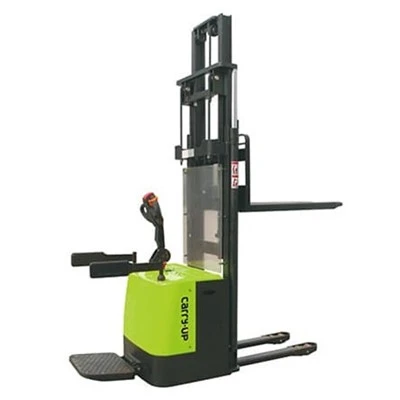
If you’re ready to get a clear picture of what your forklift service costs will look like, or you’re looking to upgrade your fleet, don’t hesitate to reach out and connect for a conversation. I’d be happy to answer your questions, go over your specific needs, and help you find a forklift and service plan that fits your budget and keeps your operations running smoothly.
Forklifts References
- Industrial Truck Association. (2023). Forklift Maintenance and Service Cost Benchmark Report.
- Material Handling Industry Association. (2022). Electric vs. Internal Combustion Forklift Service Cost Analysis.
- National Warehouse Association. (2023). Small Business Forklift Budgeting Guide: Service and Repair Costs.
- Global Material Handling Equipment Manufacturers Association. (2022). Age-Based Forklift Service Cost Trends.
- Occupational Safety and Health Administration. (2021). Forklift Maintenance Guidelines for Cost and Safety Compliance.
Hangzhou Carry Equipment Co., Ltd.
Hangzhou Carry Equipment Co., Ltd. is one of the most professional forklifts manufacturers and suppliers in China, also supports customized service. Please feel free to buy advanced forklifts for sale here and get quotation from our factory. For price consultation, contact us.
Address: No.360 Tongxiang Rd., Yinzhou Economic Development Zone, Yinzhou Dist., Ningbo, China
E-mail: Sales@carryupmhe.com
WebSite: https://www.carrymhe.com/
