If you’ve ever stared at a blacked-out phone screen during a storm or watched your grocery run go to waste because the fridge died, you know how stressful power outages can get. As a solar energy storage system supplier, I get asked this question all the time: “How do my solar storage setup and a backup generator actually work together?” It’s not just a “either/or” call—most people don’t realize how well these two systems can play together, especially when you live somewhere with wild swings in weather, or you’re trying to cut down on both energy bills and your reliance on grid power. Let me break this down like I would to a homeowner who just finished installing their first solar panels, no fancy jargon, I promise. Solar Energy Storage System

First, let’s get the basics straight. Your solar panels capture sunlight during the day, turn it into electricity, and that energy can either power your home right away, get stored in batteries, or sent back to the grid (you even get a credit for that, usually). A backup generator is the old-school workhorse—usually runs on gas, propane, or even natural gas, and kicks on when power gets cut. But here’s the thing: solar storage and generators don’t have to compete. They’re actually built to cover each other’s weak spots, and that’s where the magic happens.
Let’s start with when the grid goes out, because that’s the whole point of having backup power, right? If you have a decent solar storage system, the first thing it does is prioritize using stored solar energy before it taps anything else. Say it’s 2 PM on a cloudy day—your panels are only cranking out a little power, but your batteries still have 70% charge from yesterday’s sun. The solar storage system will feed that energy to your fridge, Wi-Fi, lights, whatever, no waiting. It’s silent, it uses free energy you already made, and it doesn’t require fuel you have to buy or store in your garage. The generator only comes into play if your batteries run low, or if you’re using way more power than your storage can handle. Like, if you’re running an electric oven, an electric water heater, and a space heater all at once during a cold snap, those big appliances will drain your batteries fast. That’s when the generator kicks on to cover the extra load, so you don’t have to sit in the dark.
Wait, but what if it’s nighttime and the grid dies? That’s another common scenario. If your batteries are charged from the day before, your storage system will run your home all night until they’re empty. Once they hit that low charge threshold (most good systems are set to around 20% or 30% to keep the batteries healthy), the generator starts up automatically. No fumbling for a generator manual at 2 AM, no extension cords draped across the driveway—the whole thing is synced, so it transitions smoothly. That’s way better than a standalone generator, which you have to go start, plug in, and hope it works when you need it.
But here’s the part most people don’t think about: solar storage can actually make your generator run longer and more efficiently. Standalone generators aren’t great for small, steady loads—they’re built to handle big surges, and they burn a lot of fuel just to idle, even if you don’t need all that power. When you pair them with solar storage, the storage covers the small, constant stuff, so the generator only has to kick on for the heavy loads or when batteries are low. That means less fuel usage, less wear and tear on the generator, and longer life for both pieces of equipment. I had a customer last year who switched from a 20kW generator (his old one) to a 10kW one paired with solar storage, and he told me his monthly generator fuel bill dropped by almost 40%. He still only runs it during outages, but he doesn’t burn through a whole gas can every time. That’s a win-win.
Now, let’s talk about grid-tied systems, because most people aren’t off-grid (unless you live way out in the middle of nowhere). If you have a grid-tied setup with solar storage and a generator, they work together to save you money, too. During the day, when your panels are making more power than you need, that goes into storage instead of the grid (though you still get grid credits for excess, usually). If you have a time-of-use energy plan (your utility charges way more for power during peak hours, like 4 PM to 9 PM), you use your stored solar energy during those expensive peak times, so you don’t have to buy power from the grid at those high rates. The generator only gets pulled in if your storage runs out before peak ends, or if the grid goes down during those expensive hours—so you avoid both outage stress and high bills.
Wait, but hold on—there are a few important things to get right if you want these two systems to play nice. First, they need to be compatible. Not every backup generator works with every solar storage setup. The inverter (that’s the part of your storage system that turns DC power from panels and batteries into AC power your home uses) has to be able to communicate with the generator, so they know when to start and stop. A lot of cheap, old generators can’t do that, so you’d have to get a compatible one, or add a transfer switch that syncs both systems. I always tell customers to work with a professional (not a random handyman) when installing both—don’t just buy a generator and a storage system and hook them up, because you could end up with messy transitions, or even damage to your panels or batteries.
Another thing: generator size matters. If you have a 5kW solar storage system, don’t get a 20kW generator just because you think “bigger is better.” That’s overkill, and you’ll waste money on fuel and maintenance. Calculate your home’s average power usage, add a little extra for surge loads (like when your AC kicks on), then pick a generator that works with your storage’s capacity. Most of the time, a generator that’s 10-15% larger than your storage’s peak output is perfect.
Also, don’t sleep on generator maintenance. Even if you only use it a few times a year, it needs tune-ups, oil changes, and new parts every couple of years. Solar storage is pretty low-maintenance (just keep the batteries clean, make sure they’re not overheating, and do a quick check every few months), but the generator needs regular care to start when you need it. One time, a customer told me his generator didn’t kick on during a storm because he forgot to change the oil, and his batteries were almost empty. He lost his food, and was without power for two extra days. That’s a mistake anyone can make, but it’s avoidable with simple maintenance.
Let me give you a real example from a customer of mine last year. Sarah lives in a suburb of Houston, where we get at least two or three big storms a year that knock out power for 2-3 days. She had a 6kW solar panel system, paired with a 10kWh solar storage setup, and a 7.5kW backup generator. Last August, a hurricane hit, and the power went out at 1 PM on a Saturday. Her storage had about 8kWh of charge left from that morning’s sun, so it ran her fridge, her teen’s gaming setup, the Wi-Fi, and a couple of lights. By 10 PM, the batteries were down to 25%, so the generator kicked on, ran the fridge and the main circuits, and shut off when the batteries charged back up to 50%. It did that three times over the next 36 hours, only using half a tank of gas total. She said her neighbor, who had a standalone generator, went through 3 gallons of gas the first night alone, and his generator was loud enough that he couldn’t sleep. Sarah’s whole house stayed quiet, the food didn’t go bad, and she didn’t have to haul gas cans around in the rain. That’s exactly how these two systems should work together.
Now, what about off-grid homes? If you live way out in the woods or a rural area where grid power is non-existent, this setup is even more critical. Your solar panels will charge the batteries during the day, the storage runs everything at night, and if it’s a cloudy week, the generator kicks on to keep the batteries topped up. You don’t have to rely on fuel for all your power, and the generator doesn’t have to run 24/7 just to keep your lights on. A friend of mine who lives in the Hill Country used to run his generator all the time before he got solar storage. Now he only runs it once a week for an hour to top up the batteries, and he says he uses way less fuel, and his generator lasts way longer.
I know there’s a lot of confusion out there about whether solar storage and generators are worth the investment. Some people say “just get a generator” or “solar storage is enough.” But the truth is, combining both gives you the best of both worlds. The solar storage covers daily needs, cuts your energy bills, and uses free, clean energy. The generator is your safety net for long outages, extra-heavy loads, or extended cloudy spells. They don’t replace each other—they complement each other.
If you’re thinking about adding solar storage to your home, or upgrading your backup power setup, don’t overcomplicate it. The key is to make sure both systems are compatible, sized right for your home, and installed by someone who knows how to sync them. As a solar energy storage system supplier, I’ve seen way too many customers buy the wrong stuff because they didn’t ask the right questions, and end up with systems that don’t work as well as they should. The good news is, getting the right setup doesn’t have to be complicated, or way more expensive than you think.
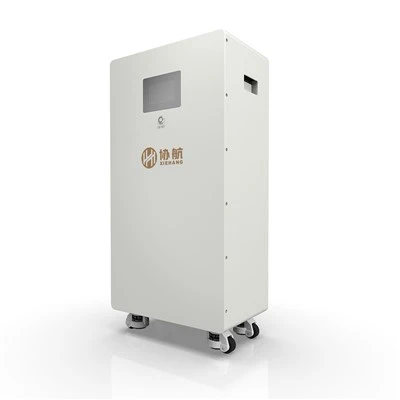
If you’re ready to figure out how solar storage and a backup generator can work for your home, feel free to reach out. We can talk through your power needs, your area’s typical outage history, and what setup makes sense for you. No pushy sales talk, no jargon, just straight answers about what will actually keep your home running when the grid goes down, and save you money in the long run.
Portable Power Station References:
- U.S. Department of Energy. (2023). Solar Energy Storage Systems: Pairing with Backup Power for Residential Use. Retrieved from Department of Energy Energy Efficiency and Renewable Energy Database
- International Electrotechnical Commission. (2022). Grid-Connected Distributed Energy Systems: Compatibility Requirements for Solar Inverters and Backup Generators
- Solar Energy Industries Association. (2024). Residential Backup Power: Best Practices for Combining Solar Storage and Generators
Zhejiang Xiehang New Energy Equipment Co., Ltd.
As one of the most professional solar energy storage system manufacturers and suppliers in China, our products have good reputation in the market. Please erst assured to wholesale custom made solar energy storage system from our factory. If you have any enquiry about cooperation, please feel free to email us.
Address: No.5 Hechen Road, Zhouwangmiao Town, Haining, Jiaxing City, Zhejiang Province, China
E-mail: dan.wu@xiehang.net
WebSite: https://www.shineonpower.com/
