Hey there! I’m a supplier in the turning business, and today I wanna talk about the differences between wet and dry turning. It’s a topic that comes up a lot when customers are trying to figure out which method is best for their projects. So, let’s dive right in! Turning
Basics of Turning
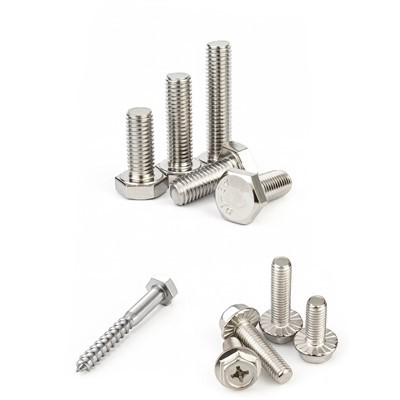
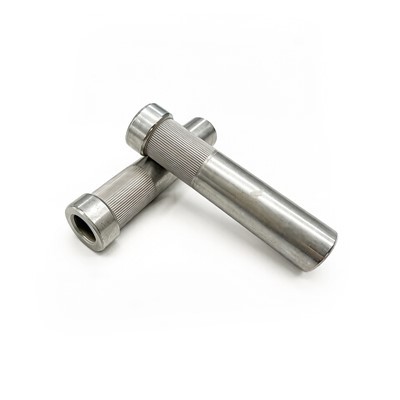
First off, let me quickly explain what turning is for those who might not be super familiar. Turning is a machining process where a cutting tool, typically a non – rotating single – point cutting tool, is used to remove material from a rotating workpiece. This process is used to create cylindrical parts with precise dimensions and smooth surfaces. It’s commonly used in the manufacturing of things like shafts, pins, and sleeves.
Dry Turning
Let’s start with dry turning. In dry turning, there’s no cutting fluid involved. You’re basically letting the cutting tool do its job without any additional lubrication or cooling.
One of the biggest advantages of dry turning is its simplicity. You don’t have to deal with all the hassle of managing cutting fluids. There’s no need for coolant pumps, fluid storage tanks, or the maintenance that comes with them. This can save a lot of money on equipment, as well as on the cost of the cutting fluid itself. And let’s not forget about the environmental benefits. By eliminating the use of cutting fluids, you’re reducing waste and potential pollution.
However, dry turning isn’t without its drawbacks. The biggest issue is heat generation. When the cutting tool is in contact with the rotating workpiece, a significant amount of heat is produced. Without the cooling effect of a cutting fluid, this heat can build up quickly. High temperatures can cause the cutting tool to wear out faster. This means you’ll have to replace the tools more often, which can increase your overall production costs in the long run. The heat can also affect the quality of the machined surface. Excessive heat can lead to thermal damage to the workpiece, such as surface hardening or micro – cracking, which can negatively impact the part’s performance.
Wet Turning
Now, let’s move on to wet turning. In wet turning, a cutting fluid is applied to the cutting area. There are different types of cutting fluids available, such as water – based emulsions, synthetic fluids, and straight oils, each with its own properties and uses.
The main advantage of wet turning is cooling. The cutting fluid helps to dissipate the heat generated during the cutting process. This keeps the cutting tool and the workpiece at a more stable temperature. As a result, the tool wear is significantly reduced. You can use the same cutting tool for longer periods, which saves you money on tool replacement. The coolant also helps to improve the surface finish of the machined part. It flushes away the chips produced during cutting, preventing them from getting re – cut and causing a rough surface.
Another benefit of using cutting fluid is lubrication. The fluid forms a thin film between the cutting tool and the workpiece, reducing friction. This makes the cutting process smoother and more efficient. It also helps to reduce the power consumption of the machine, as less force is required to cut through the material.
But wet turning has its challenges too. The cost of the cutting fluid itself can be quite high, especially if you’re using high – quality synthetic fluids. There are also additional costs associated with managing the cutting fluid. You need to have a proper system in place to store, filter, and recycle the fluid. And let’s not forget about the maintenance of the coolant system. If the system isn’t properly maintained, the fluid can become contaminated, which can lead to poor cutting performance and even damage to the machine and the workpiece. There are also environmental concerns. Disposing of used cutting fluids can be a headache, as they often contain contaminants and need to be treated properly.
Material Considerations
The choice between wet and dry turning also depends on the material being machined.
For some materials, like aluminum, dry turning can be a good option. Aluminum has good thermal conductivity, which means it can dissipate heat relatively easily. So, the risk of overheating during dry turning is lower. Also, aluminum chips are usually easy to remove, and dry turning can produce a clean cut without the need for a cutting fluid.
On the other hand, materials like stainless steel and titanium are more difficult to machine. They have low thermal conductivity, which means heat builds up quickly during cutting. In these cases, wet turning is often the better choice. The cutting fluid helps to keep the temperature down and reduces tool wear, allowing for more efficient machining.
Surface Finish and Tolerance Requirements
If you’re working on a project that requires a high – quality surface finish and tight tolerances, wet turning is usually the way to go. The cooling and lubrication provided by the cutting fluid help to minimize tool vibrations and ensure a more precise cut. This results in a smoother surface finish and better dimensional accuracy.
In contrast, dry turning may not be able to achieve the same level of precision, especially for projects with strict quality requirements. The heat and friction in dry turning can cause more variations in the cutting process, leading to a rougher surface and less accurate dimensions.
Cost – Effectiveness
When it comes to cost – effectiveness, it really depends on the long – term picture. In the short term, dry turning may seem cheaper because you’re saving on the cost of cutting fluids and coolant system maintenance. However, as I mentioned earlier, the increased tool wear in dry turning can add up over time.
On the other hand, wet turning may have higher upfront costs for the cutting fluid and the coolant system, but the reduced tool wear and improved machining efficiency can result in cost savings in the long run. It’s important to consider all these factors when deciding which method is more cost – effective for your specific project.
Wrapping Up
In conclusion, both wet and dry turning have their pros and cons. Dry turning is simple and environmentally friendly but has issues with heat generation and tool wear. Wet turning, on the other hand, offers better cooling and lubrication but comes with higher costs and maintenance requirements.
If you’re still not sure which method is best for your project, don’t hesitate to reach out. We’ve got a team of experts here who can help you make the right decision based on your specific needs. Whether it’s the material you’re using, the surface finish requirements, or your budget constraints, we’ll work with you to find the most suitable turning solution.
So, if you’re in the market for turning services, or if you just want to learn more, feel free to contact us. We’re always ready to have a chat and help you get the best results for your manufacturing projects.
Washers References:
- "Machining Fundamentals" by various industry experts
- Technical papers on turning processes from leading machining research institutions
Shanghai Megood Metal Products Co., Ltd.
As one of the most experienced turning manufacturers and suppliers in China, we have world-leading production equipment and strong manufacturing capabilities. Please rest assured to wholesale bulk turning made in China here and get quotation from our factory. Customized orders are welcome.
Address: Building 8, No. 1500 Huiren Road, Waigang Town, Jiading District, Shanghai
E-mail: liujingshco@163.com
WebSite: https://www.mgx-hardware.com/
