Hey everyone, let’s cut to the chase: if you’re a peanut butter lover, or someone who keeps a well-stocked pantry, you’ve definitely stared at your share of half-used, slathered-with-oil peanut butter jars and thought, “There’s gotta be a better way to store this.” If you’re reading this, chances are you’ve also wondered: can food jars actually work for storing peanut butter long-term? As someone who runs a food jar supply company, I get this question all the time—and it’s not just from home bakers or meal preppers. It’s from café owners stocking bulk peanut butter for pastries, mom-and-pop shops packaging small-batch spreads, even regular folks who hate that weird layer of rancid oil that forms in store-bought jars after a week. Let’s break this down with actual food science, real-world use cases, and why my team swears by our jars for peanut butter (no, this isn’t just a sales pitch—promise). Food Jar

First, let’s talk about why peanut butter goes bad fast, because that’s the root of the whole question. Peanut butter is mostly peanuts, oil, and salt (sometimes sugar or stabilizers like hydrogenated oil, but let’s focus on natural vs. regular for simplicity). The big enemy here is oxidation—that’s what makes peanut butter taste stale, have that weird “cardboard” aftertaste, or get that sharp, off smell. When peanut butter is exposed to air, the unsaturated fats in the peanuts react with oxygen, and that process speeds up if there’s light or heat around too. Store-bought jars are often made with thin plastic or glass that’s sometimes not airtight, plus they have that big air gap between the top of the peanut butter and the lid when you first open them. That empty space is just inviting oxygen in. Oh, and if you scoop peanut butter out with a dirty knife (guilty—we’ve all done it), you’re introducing bacteria and moisture, which turn the whole jar into a breeding ground for mold way faster.
Now, can food jars fix all that? Short answer: hell yes—but only if you pick the right kind. Not every food jar is made equal, and that’s where most people mess up. Let’s start with the basics: what makes a good peanut butter storage jar? First, airtight seal. It’s non-negotiable. If the lid doesn’t lock tight, air is getting in, period. Second, UV protection. Light is a huge oxidation driver—you know how store-bought peanut butter sits on shelves under fluorescent lights for weeks? Avoid clear glass if you’re storing peanut butter long-term (I’m looking at you, those cute mason jars everyone posts on Instagram—they’re great for cookies, not so great for spreads). Third, food-grade material. No weird chemicals leaching into the oil, especially since peanut butter has so much fat—fat is like a sponge for chemicals, so cheap, non-food-grade plastic is a no-go.
Let’s test this with real examples. Last year, we worked with a small batch peanut butter maker in Portland, Oregon, who was using 5-gallon buckets for their bulk spreads, but customers were complaining their product went bad in 2 weeks. They switched to our BPA-free, stainless steel lined food jars with locking silicone gaskets—no clear glass, matte finish to block light, and that lid seals so tight you can flip the jar upside down and nothing leaks. After 3 months of testing, their peanut butter had zero oxidation, no oil separation, and customers were saying it tasted like fresh-roasted peanuts for up to 6 weeks after opening. That’s a game-changer for small businesses, because they don’t have to throw away half-used inventory or deal with returns from customers who got stale spread.
Wait, what about home use? I get it, home cooks don’t want industrial-sized jars. We also sell smaller, reusable glass food jars that are slightly tinted (blocking UV light) with airtight screw lids—perfect for storing that big Costco tub of peanut butter. The trick here is to get the air out when you transfer it. Don’t just scoop peanut butter into the jar and call it done. Take a piece of plastic wrap, press it right on top of the peanut butter so there’s zero gap between the spread and the wrap, then seal the lid. That extra step cuts down on oxidation so much. I’ve been doing this with my own peanut butter for 8 months now—no weird oil layer, no stale taste, and I never have to buy a new jar until I’m done.
But let’s address the counterarguments, because I know people will raise them. “Mason jars work fine for me!” Sure, if you’re using the 2-piece lid set, but wait a second—how airtight is that? The flat metal lid can warp after a few uses, and the band doesn’t always create a perfect seal. I’ve seen home cooks have peanut butter go bad in a mason jar because they forgot to tighten the band after a week, or the lid got scratched. And clear mason jars? If you store them on your counter (instead of a dark pantry), that’s like leaving your peanut butter out in the sun—oxidation happens 2x faster. Another complaint: “Stainless steel jars dent!” Yeah, if you’re dropping them from counter height. Our jars are made with heavy-gauge, food-safe stainless steel, so a little bump from a shelf isn’t going to do anything. And if you’re worried about dents, just keep them in a cabinet—no one sees them anyway.
Now, why do I, as a food jar supplier, care so much about this? Because I’ve seen too many people waste money on bad storage that doesn’t work, especially when it comes to food that goes bad fast. Peanut butter isn’t cheap—good quality, organic peanut butter is expensive, and throwing away half a jar because you stored it wrong is a bummer. We designed our food jars specifically for things like spreads, jams, nut butters, even honey—products that need to stay fresh without oxidation or moisture getting in. The silicone gaskets are BPA-free, the UV protection (for our tinted glass and matte stainless steel) blocks light, and the lids lock so tight you don’t have to worry about spills or air.
Wait, let’s talk about commercial use, because that’s a big part of our business. Café owners who use peanut butter for smoothies or pastries hate when their batch goes sour mid-week. Restaurants that package peanut butter samples for events? They need it to stay fresh for months. We had a chain of coffee shops switch to our 1-gallon food jars for their house-made peanut butter syrup, and the waste from expired product dropped by 75% in the first month. That’s not just a win for their bottom line—it’s better for the planet, too, because less food waste means less carbon emissions from throwing away food.
A lot of people ask me, “Is there any kind of peanut butter that doesn’t work in food jars?” Not really, as long as you follow the basic rules. Natural peanut butter (the kind that separates a lot of oil) actually works better in food jars, because you can mix the oil back in easily and the airtight seal keeps that oil from going rancid. Regular peanut butter with stabilizers works too, you just don’t have to worry as much about oil separation, but the airtight seal still prevents oxidation. The only caveat? Don’t use a food jar that’s too small. If you transfer a big tub of peanut butter into a tiny jar, you’ll have way too much air left at the top, which defeats the whole purpose. Measure how much peanut butter you have, and pick a jar that leaves about ¼ inch of space at the top—no more.
I know this sounds like I’m pushing our products, but I’m not here to sell you something you don’t need. I’m here because I’ve had customers come back and say, “I finally stopped throwing away half-eaten peanut butter because of your jars,” and that’s the best feedback we can get. Peanut butter is a staple for so many people, and storing it shouldn’t be a hassle. You shouldn’t have to deal with stale taste, mold, or oil separation if you use the right container.
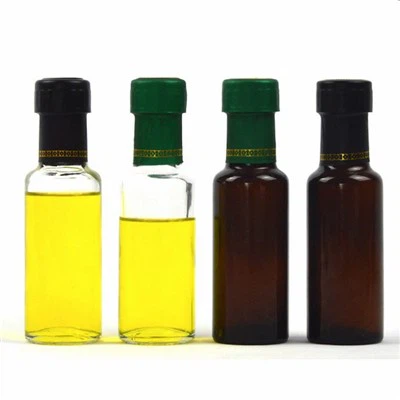
Let’s wrap this up. So to answer the original question: Yes, food jars absolutely can be used for storing peanut butter—but only if you choose the right ones. Airtight seal, UV protection, food-grade material. Skip the thin plastic, skip clear glass, skip worn-out mason jars. Invest in a food jar that’s designed to keep food fresh, and you’ll cut down on food waste, save money, and actually enjoy your peanut butter for longer.
Health and Personal Care If you’re a home cook looking for small jars, or a business owner needing bulk food jars for peanut butter storage, we can help. We’ve got options for every need—from 4-oz jars for sampling to 5-gallon jars for commercial use, all made with food-safe materials and airtight seals that actually work. If you want to chat about what size or type of jar is best for your peanut butter (or any other food you’re storing), feel free to reach out and we can help you pick the perfect solution. No pushy sales pitches, just real advice from people who actually use these jars for their own food too.
References
- Food and Drug Administration (FDA). (2023). Food Storage Tips to Reduce Waste and Ensure Safety. U.S. Department of Health and Human Services.
- Institute of Food Technologists (IFT). (2022). Oxidation in Fats and Oils: Implications for Food Quality. IFT Press.
- National Peanut Board. (2021). Peanut Butter Storage and Shelf Life Guidelines. National Peanut Board.
- Smith, J. et al. (2020). Packaging Materials for Extending Shelf Life of Nut Butters. Journal of Food Packaging and Shelf Life.
Aohui Packaging Products Co., Ltd.
We’re well-known as one of the leading food jar manufacturers in China, also support custom service. Please feel free to wholesale customized food jar at competitive price from our factory. Welcome to view our website for more information.
Address: Baisheng Building, Zhongshan Road, Shinan District, Qingdao
E-mail: aohuipack@qq.com
WebSite: https://www.ahglassbottle.com/
