As a supplier specializing in general pressure transmitters, I get this question all the time—at trade shows, in follow-up emails with potential clients, even over casual coffee chats with fellow engineers. It’s one of those topics that sounds simple on the surface, but dig a little, and you’ll find that mixing up these two types of transmitters can lead to big headaches: from unplanned downtime in a food processing line to a safety hazard in a chemical plant. Let me break this down the way I explain it to my customers, no jargon overload, just real-world context that matters. General Pressue Transmitter
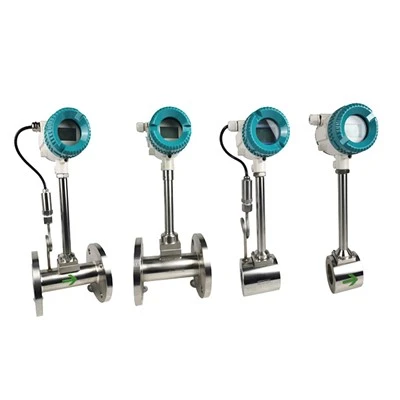
First, let’s start with the basics, because I’ve seen way too many people treat these two as interchangeable parts. A pressure transmitter’s core job is to turn physical pressure (like air pushing on a sensor inside a pipe, or fluid weight in a tank) into an electrical signal—usually 4-20 mA, the industry standard—to send readings to a control panel, PLC, or another monitoring device. That part never changes. The difference comes down to what environment that transmitter is built to live in, how accurately it needs to perform there, and how much abuse it can withstand without breaking.
Let’s start with general pressure transmitters, the ones my team and I design, manufacture, and supply every single day. These are built for what I call “controlled, routine environments.” Think of a small manufacturing workshop, a residential HVAC system, a water utility’s low-pressure municipal line, or a basic water tank monitoring system. These places don’t have extreme conditions to worry about: no volatile chemicals that can corrode internal parts, no sudden pressure spikes that jump 100 psi overnight, no harsh outdoor elements like dust, rain, or extreme temperatures that swing from -40°F to 140°F. When I test a general pressure transmitter before it leaves our warehouse, I don’t ask it to survive those extremes. I ask it to deliver consistent, reliable readings when the pressure is in that middle, standard range—usually between 0 and 100 psi, 0 and 5 bar, or similar. Accuracy for a general transmitter is typically around ±0.1% to ±0.5% of full scale, which is more than enough for most everyday applications. No need to pay for extra precision when you don’t need it.
Now, industrial pressure transmitters are a different beast. These are built for environments where “routine” doesn’t exist. Let’s take a chemical processing plant, for example: inside the pipes, you have corrosive acids, caustic solvents, high-pressure steam that hits 300 psi or more, and temperatures that can sit at 200°F for 12 hours straight. Then there’s offshore oil rigs: saltwater corrosion, constant vibration from engines, dust and sand blowing around 24/7, and pressure swings that can damage even the sturdiest gear. Industrial transmitters have to handle all that. Their accuracy is actually similar in some cases—wait, no, let me be clear: some high-end industrial transmitters have tighter accuracy, like ±0.05% of full scale, but the bigger difference is their durability and performance in harsh conditions. They’re rated for extreme temperatures (-40°F to 185°F and higher), have rugged metal housings (stainless steel, not the aluminum used for many general transmitters), and are sealed to keep out water, dust, and even explosive gases if it’s rated for hazardous locations.
I’ve seen what happens when someone uses a general transmitter in an industrial setting. A customer of mine, a small food and beverage manufacturer, once bought a cheap general pressure transmitter to monitor their raw material mixing tank. The mixing process involved a mild acidic fruit juice, which ate through the general transmitter’s internal diaphragm after just three weeks. They had to shut down their entire production line to replace it, costing them thousands in lost revenue. That’s not a failure of the general transmitter—it’s a failure of matching the right tool to the job.
Conversely, I’ve also seen a company overspend on industrial transmitters when a general one would work just fine. A HVAC contractor was replacing old transmitters in 50 small office buildings in a suburban area. They bought industrial-grade units that cost three times more than the general ones my team supplies. Those industrial units were built to survive a hurricane, but the HVAC systems they were installed in never saw anything more extreme than a mid-summer heatwave. The extra cost was completely unnecessary. That’s a mistake I try to help customers avoid every day.
Let’s dig deeper into the key differences that matter, the ones that actually affect your bottom line and reliability. First, environmental ratings. General pressure transmitters almost always have an IP rating of IP65 or lower. IP65 means they’re protected against dust and low-pressure water jets from any direction—perfect for an HVAC closet or a control room, where they’re not exposed to heavy rain or submersion. Industrial pressure transmitters? Most have IP67 or IP69K. IP67 means they can survive being submerged in up to 1 meter of water for 30 minutes, great for outdoor pumps or tank farms. IP69K is even higher: it can handle high-pressure, high-temperature washdowns, which is non-negotiable for food processing plants that clean their equipment daily with powerful hoses and sanitizing chemicals.
Next, pressure range and overload capability. General transmitters are made for low to medium pressure ranges, usually up to around 150 psi (10 bar). Their overload capacity is also moderate—maybe 120% of their rated range, so if a pressure spike hits, they won’t take permanent damage. Industrial transmitters can go way higher, from 200 psi all the way up to 10,000 psi (700 bar) or more, depending on the application. Their overload capacity is much higher, too—often 150% or even 200% of rated range, because in industrial settings, pressure spikes aren’t just a possibility, they’re a regular occurrence. I once worked with a oil and gas customer who had a pressure spike of 800 psi on a line rated for 500 psi. The industrial transmitter they had didn’t even blink, while a general transmitter would have been fried instantly.
Hazard location ratings are another big one. Industrial applications often involve explosive gases or dust—think coal mines, chemical plants, grain silos. General transmitters almost never have Ex certification (the certification for explosion-proof equipment). If you use a general transmitter in a hazardous location, you’re not just risking damage to the device, you’re risking a dangerous situation. Industrial transmitters can be certified as explosion-proof, intrinsic safe, or non-incendive, so they don’t spark and ignite surrounding gases. General transmitters don’t have that certification, because it’s an extra cost that’s unnecessary for their intended use.
Accuracy and long-term stability—wait, let’s get this right, because there’s a myth here. Some people think industrial transmitters are always more accurate, but that’s not true. A top-of-the-line general pressure transmitter can have the same accuracy as a mid-tier industrial one, around ±0.1% of full scale. The difference is long-term stability. Industrial transmitters have to stay accurate for much longer periods, even with constant exposure to heat, vibration, and corrosive materials. A general transmitter might drift a little after a year, so you calibrate it annually. An industrial transmitter might drift less than 0.1% after five years, so you only calibrate it every two or three years. That’s a huge advantage for industrial facilities, where calibration downtime costs a lot. But for a general application, the calibration cycle works perfectly with the general transmitter’s stability, and it saves you money upfront.
Cost is the most obvious difference, right? Industrial transmitters are way more expensive. On average, an industrial pressure transmitter costs two to five times more than a general one with similar accuracy and pressure range. That’s because of the extra materials: stainless steel housings instead of aluminum, specialized coatings for corrosion resistance, explosion-proof certifications, and rigorous testing for extreme conditions. When you’re running a factory that has to shut down for a day to replace a $1,000 industrial transmitter, that’s cheaper than shutting down for a day to replace a $200 general one in a location where it will fail in three weeks. But for a small business that only needs to monitor a small water tank, spending $500 on an industrial transmitter is just throwing money away.
Let me share another real example, this one from a customer I worked with last year. A construction company was building a small wastewater treatment plant in a rural area. They needed transmitters to monitor the influent flow, aeration tanks, and effluent discharge. They came to me because they were comparing general vs industrial. The plant’s environment is mostly mild: outdoor, but not exposed to extreme chemicals, just rain and dust. The pressure ranges were all under 100 psi. We recommended general pressure transmitters: IP65 rated, 0.2% accuracy, calibrated annually. Total cost for all 12 transmitters was around $2,400. If they’d gone with industrial, it would have been over $10,000. A year later, they emailed us to say all the transmitters were working perfectly, no issues, and they’d saved enough extra cash to upgrade their control panel. That’s the sweet spot for general transmitters.
But here’s the thing: it’s not just about choosing the cheapest option. It’s about choosing the right option for your specific application. I always ask potential customers three questions before I make a recommendation: What’s the environment the transmitter will live in? What pressure range do you need to measure? How much downtime can you afford if something goes wrong?
If your answer is, “It’s an HVAC system in a commercial office, pressure is under 50 psi, downtime would be a few hours to replace a transmitter,” then a general pressure transmitter is the right choice. If your answer is, “It’s a chemical reactor, pressure goes up to 300 psi, there’s corrosive gas around, and downtime costs $10,000 an hour,” then industrial is the way to go.
I also want to address a common misconception that’s out there: some people think general transmitters are lower quality. That’s not true. The general pressure transmitters my team supplies are built to meet strict industry standards, with calibrated sensors, durable internal components, and a proven track record in thousands of applications. They’re just not built to handle the extreme conditions that industrial transmitters are designed for. It’s not a quality gap, it’s a design gap, tailored to what the customer needs.
Another point: customization. Industrial transmitters often have more customization options, like special diaphragms for specific chemicals, custom pressure ranges, or integrated diagnostics to track performance over time. General transmitters are more standardized, which keeps their cost lower. For most small to medium applications, standard general transmitters work perfectly, no customization needed.
Let’s wrap this up with what really matters, the takeaways that can save you time and money. First, general pressure transmitters are for controlled, non-hazardous, low to medium pressure applications. They’re affordable, reliable, and meet all the needs of everyday use cases like HVAC, water tanks, small manufacturing, and commercial buildings. Second, industrial pressure transmitters are for harsh, high-stakes environments: chemical plants, oil and gas, offshore rigs, food processing (wait, no—wait, food processing can have harsh washdowns, so some food-grade transmitters are a middle ground? Maybe that’s a side note. But no, stick to the main point: industrial is for extreme conditions, high pressure, hazardous locations, where downtime is costly. Third, mixing them up is a costly mistake, whether you’re overpaying for industrial when you don’t need to, or underpaying for general in a setting where it will fail.
As someone who’s been supplying general pressure transmitters for years, my goal isn’t just to sell a product—it’s to help customers find the right solution for their needs. I’ve seen too many businesses burn through cash on unnecessary industrial gear, or deal with unexpected downtime from cheap, underperforming transmitters that were never built for the job. That’s why I always take the time to walk through a customer’s application, ask the right questions, and recommend the best fit, whether that’s one of our general transmitters or a more specialized industrial unit if that’s what they need.
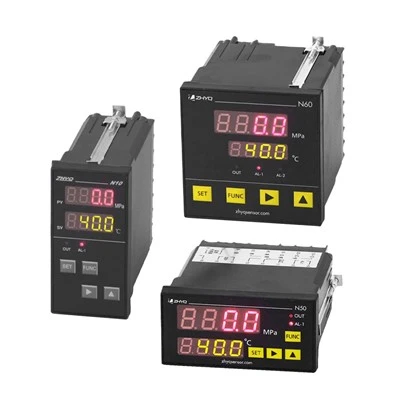
If you’re not sure which one is right for your next project, or if you have questions about how our general pressure transmitters perform in your specific application, don’t hesitate to reach out. We’re here to help you make the best choice for your budget and your operations.
Flameproof Explosion Proof Pressure Transmitter References
- International Society of Automation (ISA). "Pressure Transmitter Performance Standards." ISA Press, 2021.
- National Electrical Manufacturers Association (NEMA). "Environmental Ratings for Electrical Equipment." NEMA, 2022.
- Process Industry Practices (PIP). "General vs. Industrial Pressure Transmitter Application Guidelines." PIP, 2020.
- Sensor Technology and Devices International (STDI). "Long-Term Stability of Pressure Transmitters for Commercial and Industrial Use." STDI Journal, 2019.
Shanghai Zhaohui Pressure Apparatus Co., Ltd.
Shanghai Zhaohui Pressure Apparatus Co., Ltd. is one of the most professional general pressue transmitter manufacturers and suppliers in China, featured by quality products and good service. Please rest assured to wholesale advanced general pressue transmitter in stock here from our factory. Also, customized service and 1 year warranty are available.
Address: 2-6/F, Building 8, No.115, Lane 1276, Nanle Road, Shanghai, China
E-mail: sensorsales@zhyqsensor.com
WebSite: https://www.sinosensor.net/
