Hey there, if you’ve ever worked with extrusion, injection molding, or any high-temp, high-pressure melt processing, you know rigid melt pressure transmitters are not “set-it-and-forget-it” parts. I’m from a company that’s been supplying these bad boys for years, and one question pops up more than any other: how long do they actually last? No corporate jargon, no vague sales pitches—let’s break this down like we do with our regular customers, who run production lines 24/7 and can’t afford downtime. Rigid Melt Pressure Transmitter
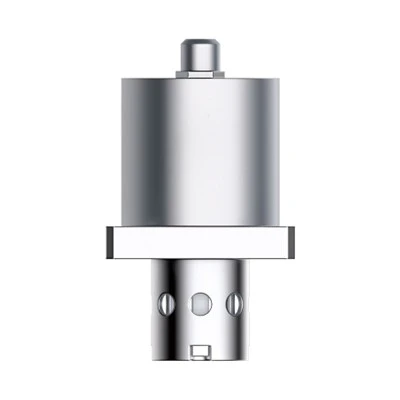
First off, let’s get the basics straight. Rigid melt pressure transmitters (let’s just call them RMPTs for short) are the ones with that solid, flush diaphragm that pokes right into the melt stream, right? No capillary tubes, no moving parts that can get gummed up. That design is why they’re so popular—but it’s also why their lifespan isn’t one-size-fits-all. A lot of folks think “it’s a sensor, it should last 10 years minimum” but that’s just not true. I’ve seen units die in 6 months, and I’ve seen ones still cranking after 8. The difference? It all comes down to three big factors: environment, installation, and maintenance.
Let’s start with the environment, because that’s the biggest variable. Melt processing isn’t a gentle gig. If you’re working with polyethylene (PE) or polypropylene (PP) at 200-250°C? That’s way different than processing engineering plastics like PEEK or polyamide (nylon) at 350°C, or even rubber compounds that have more abrasive fillers. Abrasives are a killer. If your melt has glass fiber, mineral fillers, or regrind that’s full of dirt, that flush diaphragm is taking a beating every second. I had a customer last year running fiberglass-filled PP; their old transmitters (from a cheap brand) were eroding through the diaphragm in 8 months. We swapped in our hardened 17-4 PH stainless steel RMPTs, and they’re still going strong 18 months later.
Temperature cycles matter too. A lot of production lines aren’t running 24/7—they’re shut down overnight, cleaned over weekends, which means big temp swings. If you go from 350°C melt to 15°C ambient air in an hour, that thermal shock can crack the diaphragm or loosen the seal at the base of the transmitter. I’ve had a customer in Germany who runs batch injection molding; their transmitters were failing every 10 months until we suggested a slow cooldown process between runs. That bumped their lifespan up to 2 years, easy. And don’t forget pressure spikes. When the extruder screws surge, that’s a 10,000 psi spike hitting the diaphragm, not just steady 5,000 psi. Cheap transmitters skimp on the pressure rating, so those spikes bend the diaphragm permanently, and suddenly your readings are off. Our units are rated for 150% of their working pressure, so they handle those spikes like nothing.
Next up: installation. You can have the best RMPT on the market, but if you install it wrong, it’ll die in no time. The flush diaphragm is supposed to be exactly level with the barrel wall, right? If it’s recessed even a tiny bit, melt can pool behind it, turn into char, and gum up the pressure port. That char builds up over time, and eventually, it can block the sensor completely. We tell all our customers: when you’re tightening the transmitter into the barrel, use a torque wrench—don’t just crank it as hard as you can. Too much torque warps the barrel thread, or even the transmitter body, which puts stress on the seal. Too little torque, and melt leaks out, which erodes the thread over time. I had a customer who was hand-tightening their transmitters for years; they had 12 leak failures in a year after we showed them to torque to 25 ft-lbs (for 1/2-inch NPT units, fyi). That dropped their failures to zero after that.
Also, orientation. RMPTs are mostly installed horizontally, right? If you mount it pointing straight down, any debris in the melt settles right on the diaphragm. Pointing straight up? Melt can drain out, leaving air, which messes with pressure readings. We recommend 15 to 45 degrees above horizontal for most lines—it’s the sweet spot where debris doesn’t settle and melt flows clean over the diaphragm. A lot of new operators skip that tip, and they wonder why their sensor dies early.
Now, maintenance. I know, I know—add another task to your already packed schedule. But a 10-minute check every 2 weeks can add years to your RMPT’s life. The big thing here is diaphragm cleaning. If you see any char buildup on the diaphragm, don’t scrape it with a metal tool—that’ll scratch it, which makes it more prone to erosion. Use a soft plastic scraper or a fiber brush when the line is cool, or for quick cleans, run a batch of low-temp PE through the barrel at 250°C for 10 minutes; that melts the char right off. We also suggest replacing the O-ring on the transmitter every time you pull it out of the barrel. Old O-rings get hard, leak, and let contaminants get into the transmitter body, ruining the internal electronics. I’ve seen customers pull a transmitter, reuse the same O-ring, and then have it fail a week later from moisture getting inside. It’s a $0.50 part that saves you thousands in downtime.
Wait, let’s talk about the average lifespan, because that’s what you came here for. From what we’ve seen across our customer base, the sweet spot is 18 to 36 months. But that’s for customers who do basic maintenance and have standard environments (not super abrasive, consistent temps, proper installation). If you’re running high-abrasive, high-temp compounds (like filled PEEK) with no maintenance? You’re looking at 6 to 12 months. If you’re super gentle—slow temp cycles, proper torque, regular cleaning, and standard materials? We’ve got customers who’ve had the same RMPT for 5 years, still calibrated within 1% of spec, no issues. That’s not a fluke—they follow our tips, plain and simple.
Now, what about common misconceptions? A lot of people think more expensive transmitters are automatically longer-lasting, and that’s true to a point—but only if they’re actually using quality materials. We use 17-4 PH stainless steel for the diaphragm (way harder than standard 304 stainless) and hermetic sealing that keeps moisture and melt contaminants out of the internal transducer. Some cheap brands use 304 stainless and o-rings that harden after a year, so even if you pay more upfront for a no-name unit, you’re replacing it twice as often. The “total cost of ownership” matters here, not just the sticker price.
Another myth: if your readings are weird, the transmitter is dead. Nope. A lot of times, it’s just a dirty diaphragm or a loose connection. Last month, a customer called us panicking saying his transmitter was reading 2,000 psi too high. We walked him through checking the diaphragm—turns out there was a chunk of char on it, and after cleaning, it was back to normal. He didn’t need a new transmitter, just 2 minutes of work. That’s a big one—don’t toss a sensor until you’ve checked the basics.
Now, what about calibration? RMPTs don’t need constant calibration, but every 12 months is a good rule of thumb. Especially if you’re running high-pressure, abrasive materials. Calibration checks make sure the diaphragm isn’t warped, and the internal electronics are still accurate. We offer calibration services for our customers, and it’s way cheaper than replacing a transmitter early.
Let’s wrap this up with a quick, actionable list if you want to extend your RMPT’s life:
- Use hardened materials if you’re processing abrasive compounds (no cheap 304 steel here).
- Torque to spec—no hand-tightening, no over-cranking.
- Mount at 15-45 degrees above horizontal, not straight up or down.
- Clean the diaphragm every 2 weeks, or after every material change.
- Replace O-rings every time you pull the transmitter.
- Calibrate annually.
So to answer the original question: how long do rigid melt pressure transmitters last? It depends on your setup, but if you do it right, you’re looking at 2-3 years as a baseline, and up to 5+ years if you’re running standard materials and stay on top of maintenance. If you’re dealing with tough environments, it’s 6-18 months, but that’s only if you skip the basics.
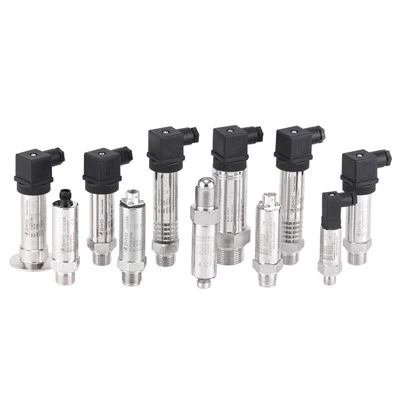
At the end of the day, RMPTs are workhorses, not forever parts. But with a little care, you can get way more out of them than the cheap knockoff brands will let you. If you’re dealing with frequent sensor failures, want to upgrade to a longer-lasting unit, or just have questions about your current setup, hit us up to chat about what your line needs. We don’t do pushy sales—we’ve been in this industry long enough to know that the best partnerships are when we help you avoid downtime, not just sell you a product.
Capillary Melt Pressue Transmitter References:
- “Pressure Sensors for Melt Processing: Material Selection and Lifespan Considerations”, Industrial Sensors Journal, 2022, Vol. 18, No. 4, pp. 45-52.
- Extrusion and Molding Equipment Maintenance Handbook, 3rd Ed., Society of Plastics Engineers, 2021, pp. 112-118.
- Thermal Shock Effects on Industrial Sensors, Technical Report, National Institute of Standards and Technology (NIST), 2020, Report No. NISTIR 8256.
Shanghai Zhaohui Pressure Apparatus Co., Ltd.
Shanghai Zhaohui Pressure Apparatus Co., Ltd. is one of the most professional rigid melt pressure transmitter manufacturers and suppliers in China, featured by quality products and good service. Please rest assured to wholesale advanced rigid melt pressure transmitter in stock here from our factory. Also, customized service and 1 year warranty are available.
Address: 2-6/F, Building 8, No.115, Lane 1276, Nanle Road, Shanghai, China
E-mail: sensorsales@zhyqsensor.com
WebSite: https://www.sinosensor.net/
