As a supplier of acrylic watercolor paints, I’ve been asked countless times about the drying time of these versatile pigments. Understanding the drying time is crucial for artists, whether they’re working on a quick sketch or a detailed masterpiece. In this blog post, I’ll delve into the factors that affect the drying time of acrylic watercolor paints, provide some general guidelines, and share some tips to help you manage the drying process more effectively. Acrylic Watercolor Paints

Factors Affecting Drying Time
The drying time of acrylic watercolor paints is influenced by several factors, each of which plays a significant role in how quickly the paint dries. Here are the key factors to consider:
1. Thickness of the Paint Layer
One of the most significant factors affecting drying time is the thickness of the paint layer. Thicker layers of paint take longer to dry because there is more paint to evaporate. When you apply a thin layer of acrylic watercolor paint, the solvents in the paint can evaporate more quickly, allowing the paint to dry faster. Conversely, a thick layer of paint will trap the solvents, slowing down the drying process.
2. Humidity and Temperature
Humidity and temperature are also important factors that affect the drying time of acrylic watercolor paints. In high humidity environments, the air is already saturated with moisture, which makes it more difficult for the solvents in the paint to evaporate. As a result, the paint will take longer to dry. On the other hand, in low humidity environments, the air is dry, which allows the solvents to evaporate more quickly, speeding up the drying process.
Temperature also plays a role in the drying time of acrylic watercolor paints. Higher temperatures generally speed up the drying process because the heat helps to evaporate the solvents in the paint. However, if the temperature is too high, the paint may dry too quickly, causing it to crack or become brittle. Lower temperatures, on the other hand, slow down the drying process, which can be beneficial if you need more time to work with the paint.
3. Type of Surface
The type of surface you’re painting on can also affect the drying time of acrylic watercolor paints. Porous surfaces, such as paper or canvas, absorb the solvents in the paint, allowing it to dry more quickly. Non-porous surfaces, such as glass or metal, do not absorb the solvents, which can slow down the drying process. Additionally, some surfaces may have a coating or finish that can affect the drying time of the paint.
4. Brand and Quality of the Paint
Different brands and qualities of acrylic watercolor paints may have different drying times. Some paints are formulated to dry more quickly, while others are designed to dry more slowly. Additionally, the quality of the paint can also affect the drying time. Higher quality paints may have better solvents and pigments, which can result in a faster drying time.
General Guidelines for Drying Time
While the drying time of acrylic watercolor paints can vary depending on the factors mentioned above, here are some general guidelines to give you an idea of how long it typically takes for the paint to dry:
Thin Layers
Thin layers of acrylic watercolor paint typically dry within 10 to 30 minutes. This is because the solvents in the paint can evaporate quickly when the layer is thin. However, it’s important to note that the paint may not be fully dry to the touch during this time. It may take several hours or even days for the paint to fully cure and harden.
Thick Layers
Thick layers of acrylic watercolor paint can take several hours or even days to dry. This is because there is more paint to evaporate, and the solvents are trapped within the thick layer. It’s important to be patient when working with thick layers of paint and allow them to dry completely before applying additional layers or varnish.
Multiple Layers
When applying multiple layers of acrylic watercolor paint, it’s important to allow each layer to dry completely before applying the next layer. This will prevent the paint from smudging or mixing together. Depending on the thickness of the layers and the drying conditions, it may take several hours or even days for each layer to dry.
Tips for Managing the Drying Process
Here are some tips to help you manage the drying process of acrylic watercolor paints more effectively:
1. Use a Fan
Using a fan can help to speed up the drying process by increasing air circulation. Place the fan near the painting and set it on a low or medium speed. Avoid using a high-speed fan, as this can cause the paint to dry too quickly and may result in cracking or uneven drying.
2. Control the Humidity and Temperature
As mentioned earlier, humidity and temperature can have a significant impact on the drying time of acrylic watercolor paints. To control the humidity, you can use a dehumidifier or a humidifier, depending on the conditions in your environment. To control the temperature, you can use a heater or an air conditioner. Aim for a temperature between 65°F and 75°F (18°C and 24°C) and a humidity level between 40% and 60%.
3. Apply Thin Layers
Applying thin layers of acrylic watercolor paint is one of the best ways to speed up the drying process. Thin layers allow the solvents in the paint to evaporate more quickly, resulting in a faster drying time. Additionally, thin layers are less likely to crack or become brittle.
4. Use a Drying Medium
Some acrylic watercolor paints come with a drying medium that can help to speed up the drying process. Drying mediums are additives that are mixed with the paint to increase its drying time. They work by evaporating the solvents in the paint more quickly, allowing the paint to dry faster. However, it’s important to follow the manufacturer’s instructions when using a drying medium, as using too much can affect the quality of the paint.
5. Be Patient
Finally, it’s important to be patient when working with acrylic watercolor paints. The drying process can take time, especially when working with thick layers or multiple layers. Rushing the drying process can result in cracking, smudging, or uneven drying. Take your time and allow the paint to dry completely before moving on to the next step.
Conclusion
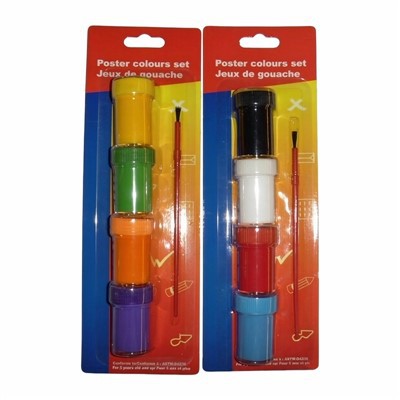
In conclusion, the drying time of acrylic watercolor paints is influenced by several factors, including the thickness of the paint layer, humidity and temperature, type of surface, and brand and quality of the paint. While there are some general guidelines for drying time, it’s important to remember that the drying process can vary depending on the specific conditions. By understanding the factors that affect the drying time and following the tips provided in this blog post, you can manage the drying process more effectively and achieve the best results with your acrylic watercolor paintings.
Painting Pigments If you’re interested in purchasing high-quality acrylic watercolor paints, I encourage you to reach out to me to discuss your specific needs. I’m here to help you find the perfect paints for your artistic projects and provide you with the support and guidance you need to achieve your creative goals.
References
- Smith, J. (2018). The Art of Acrylic Watercolor Painting. New York: Artistic Press.
- Johnson, A. (2019). Acrylic Watercolor Techniques. London: Painting World.
- Brown, C. (2020). Understanding Acrylic Watercolor Paints. Paris: Artistic Insights.
Zhejiang Lanxi Haotian Stationery Co., Ltd.
We are one of the most reliable acrylic watercolor paints manufacturers and suppliers in China, specialized in providing high quality stationery products with low price. We warmly welcome you to buy bulk acrylic watercolor paints for sale here from our factory. Contact us for pricelist.
Address: No. 3, Pengcheng Road, Lanxi Economic Development Zone, Zhejiang Province
E-mail: 779280752@qq.com
WebSite: https://www.cnhtstationery.com/
