What is the cost of 3/3 Twill Weave fabrics?
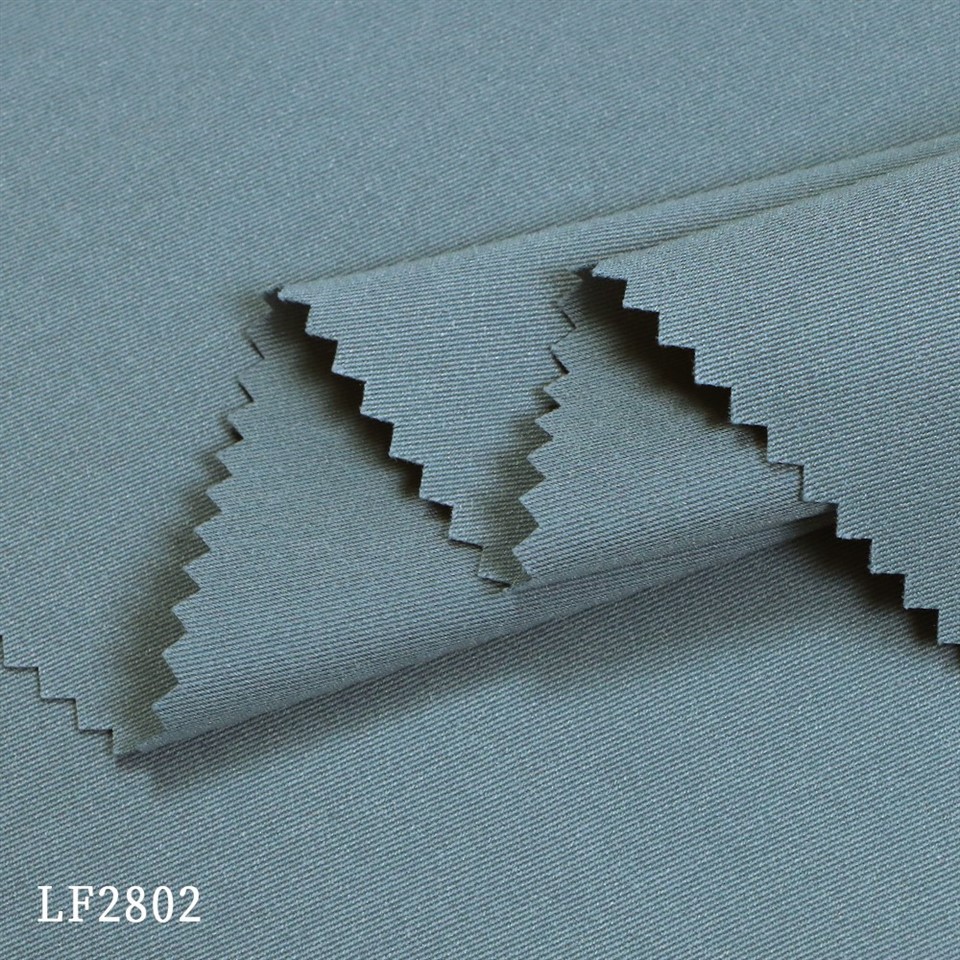
As a supplier specializing in 3/3 twill weave fabrics, I often encounter inquiries about the cost of these fabrics. The price of 3/3 twill weave fabrics can vary significantly based on several factors, and in this blog, I’ll delve into these elements to provide a comprehensive understanding of what influences the cost. 3 3 Twill Weave
Raw Materials
The type of raw material used in 3/3 twill weave fabrics plays a fundamental role in determining their cost. Natural fibers such as cotton, silk, and wool generally command higher prices compared to synthetic fibers like polyester and nylon.
Cotton is a widely used natural fiber for 3/3 twill. High – quality long – staple cotton, such as Egyptian cotton or Pima cotton, is more expensive due to its superior softness, strength, and absorbency. These long fibers allow for a smoother and more durable fabric, which is ideal for high – end clothing and home textile applications. On the other hand, regular short – staple cotton is more affordable but may lack some of the premium qualities of long – staple varieties.
Silk, known for its luxurious feel and sheen, is one of the most expensive raw materials for 3/3 twill. The process of silk production, from silkworm cultivation to silk extraction and spinning, is labor – intensive and time – consuming. Different types of silk, like mulberry silk and wild silk (such as tussah silk), also vary in price. Mulberry silk is often considered of higher quality and is thus more costly due to the controlled environment in which the silkworms are raised.
Wool is another natural fiber used in 3/3 twill fabrics. Fine wools, such as Merino wool, are highly prized for their softness, warmth, and breathability. The cost of wool is affected by factors such as the breed of the sheep, the region where it is sourced, and the quality grade. Coarser wools are generally less expensive and are often used for more utilitarian purposes.
Synthetic fibers, in contrast, are usually less expensive. Polyester is a popular choice because it is durable, wrinkle – resistant, and easy to care for. It can be mass – produced at a relatively low cost, making it an economical option for many applications. Nylon is also commonly used, especially in applications where high strength and abrasion resistance are required, such as in outdoor and sportswear.
Manufacturing Process
The manufacturing process of 3/3 twill weave fabrics also has a significant impact on the cost.
The weaving process itself requires specialized equipment and skilled labor. The complexity of the 3/3 twill pattern means that the weaving machinery needs to be precisely calibrated to produce a consistent and high – quality fabric. High – speed looms can increase production efficiency, but they also require a substantial investment in equipment. Additionally, the cost of maintaining and operating these looms, including energy consumption and regular maintenance, adds to the overall production cost.
Dyeing and finishing processes are also important cost factors. Natural dyes, which are derived from plants, insects, or minerals, are often more expensive than synthetic dyes. They are also more environmentally friendly and can produce unique color shades. However, the process of extracting and using natural dyes is more complex and less predictable in terms of color consistency. Synthetic dyes, on the other hand, are cheaper, offer a wide range of colors, and provide more consistent results.
Finishing treatments, such as mercerization for cotton fabrics or water – repellent treatments for outdoor fabrics, can also increase the cost. These treatments enhance the performance and appearance of the fabric, but they require additional chemicals, equipment, and labor.
Quantity and Order Volume
The quantity of 3/3 twill weave fabrics ordered is a crucial factor in determining the cost. In general, larger order volumes result in lower unit costs. When a customer places a large order, the supplier can benefit from economies of scale. This means that the fixed costs of production, such as setting up the weaving machinery and ordering raw materials, can be spread over a larger number of units.
For small – scale orders, the supplier has to allocate the same fixed costs to a smaller quantity of fabrics, resulting in a higher unit price. Additionally, small orders may not be as efficient in terms of production scheduling, which can further increase the cost.
Quality and Grade
The quality and grade of 3/3 twill weave fabrics also affect the cost. Higher – quality fabrics have fewer defects, a more even weave, and better colorfastness. Quality control measures during production, such as inspecting the raw materials, monitoring the weaving process, and conducting post – production testing, all add to the cost.
Fabrics that meet industry standards or specific customer requirements, such as international quality certifications (e.g., ISO standards), are typically more expensive. These certifications ensure that the fabric has been manufactured to a certain level of quality and safety, which requires additional investment in testing and compliance.
Market Demand and Trends
Market demand and trends also play a role in the cost of 3/3 twill weave fabrics. If there is high demand for a particular type of 3/3 twill fabric, for example, a fabric made from a trendy natural fiber or a fabric with a popular color, the price is likely to increase. Conversely, if the market is saturated with a certain type of fabric, the price may be more competitive.
Seasonal demand can also affect the cost. For example, fabrics used for winter clothing, such as woolen 3/3 twill, may be more expensive during the fall and winter months due to increased demand.

In conclusion, the cost of 3/3 twill weave fabrics is influenced by a multitude of factors, including raw materials, manufacturing processes, order quantity, quality, and market demand. As a supplier, I am committed to providing high – quality 3/3 twill weave fabrics at competitive prices. We work closely with our customers to understand their specific needs and offer customized solutions.
3 1 Twill Weave If you are interested in purchasing 3/3 twill weave fabrics, whether for clothing manufacturing, home textiles, or other applications, I encourage you to contact me for a detailed quote. We can discuss your requirements in terms of raw materials, quantity, and any special finishing treatments you may need. By working together, we can find the most cost – effective solution for your project.
References
- Textile Fibers and Their Properties, John Wiley & Sons
- Handbook of Textile Weaving: Machinery, Processes, and Product Design, Woodhead Publishing
- The Textile Institute’s Textile Terms and Definitions
Shaoxing Huichao Textile Co., Ltd.
As one of the most professional 3 3 twill weave manufacturers and suppliers in China, we offer a wide range of products with superior quality. We warmly welcome you to wholesale bulk 3 3 twill weave in stock here from our factory. If you have any enquiry about cooperation, please feel free to email us.
Address: Shenyue International Build ing, Unit 1603-1605, Keqiao District, Shaoxing City, Zhejiang Province, China
E-mail: darrenzhong@huichaotextile.com
WebSite: https://www.huichaotextile.com/
