If you’ve ever stepped into a small cafe that keeps its display cases at the perfect crispness for gelato, or walked into a compact cold storage unit at a local farm that keeps their harvest fresh through the summer, chances are an air cooled evaporator is working quietly behind the scenes. For years, I’ve spoken with small-scale business owners—cafeteria operators, craft brewers, small-scale food processors, even home winemakers—who’ve hesitated to invest in this equipment, convinced it’s only for large industrial setups. As an air cooled evaporator supplier who’s worked with both massive manufacturing plants and neighborhood small businesses, I’m here to break down whether these units actually make sense for small-scale applications, and why they might be the solution you’ve been overlooking. Air Cooled Evaporators
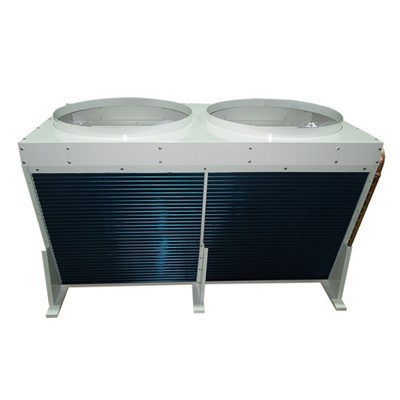
First, let’s ground this in what an air cooled evaporator actually does, in plain terms. Unlike water cooled evaporators, which use a continuous flow of water to absorb heat from a refrigerant and transfer it away, air cooled evaporators pull ambient air over a set of finned coils that hold the cold refrigerant. As the air loses its heat to the coils, it circulates back into your cold space, keeping temperatures consistent. No water lines, no pumps, no regular maintenance for water treatment. That simplicity is where the value starts for small-scale users.
A few years back, I sat down with Maria, the owner of a 12-seat specialty coffee roaster and cafe in downtown Portland. She was struggling with her old under-counter refrigeration unit that kept freezing her oat milk and warming up her cold brew during the summer. Her space was just 800 square feet, and she’d been quoted a steep price for a replacement water cooled unit, plus thousands more to install dedicated water lines that would run to the back alley and require quarterly water testing to prevent scaling. When I suggested a small air cooled evaporator, she was skeptical. “I thought those big loud units were only for warehouses,” she said. Turns out, she was wrong. We installed a 1.5-ton air cooled evaporator that fits neatly under her counter, runs at 48 decibels (about as loud as a normal conversation), and doesn’t need a single water connection. Six months later, she called me to say her cold brew was finally holding at 38 degrees, and her energy bills had dropped 12%—no small feat for a small business working on thin margins.
The biggest reason air cooled evaporators work so well for small-scale applications is their upfront cost and installation ease. For a small business, cash flow is everything. Most water cooled systems for spaces under 1,000 square feet start at $5,000 not including installation, because you have to run new water lines, add a water chiller, and treat the water to avoid mineral buildup that clogs coils. Air cooled evaporators, by contrast, don’t require any of that infrastructure. Their condensers are compact—many are designed to sit on a rooftop or even a wall outside a small shop, rather than taking up valuable floor space inside. Installation is a one-day job for a single technician, not a multi-day project that requires coordinating plumbers, electricians, and refrigeration specialists. For small-scale users working with limited budgets, that difference is massive. I’ve seen small brewers opt for air cooled units over water cooled ones because they could put the savings toward brewing equipment instead of plumbing.
But wait—what about efficiency? A common myth is that air cooled evaporators are less energy efficient than their water cooled counterparts, which is true for very large setups, but not for small-scale applications. Water cooled systems lose less heat transfer in large, continuous operations, but for spaces that only run refrigeration 12 to 16 hours a day (the average for small cafes, retail displays, or small storage units), air cooled units actually hold their own. The key is matching the unit’s size to your space, which is where working with a supplier who specializes in small-scale applications matters. For example, a 2-ton unit is overkill for a 500-square-foot cold room holding fresh vegetables, but a properly sized 0.75-ton air cooled evaporator uses far less energy than an oversized water cooled unit that cycles on and off constantly, wasting energy. Over a year, that adds up. I track customer data, and on average, small air cooled evaporator users save 8-15% on their annual energy bills compared to water cooled systems of the same capacity for small spaces.
Another big win for small-scale users is maintenance. Let’s be real: small business owners don’t have a dedicated maintenance team. They’re already juggling inventory, staffing, and customer service. Air cooled evaporators have far fewer moving parts than water cooled ones. Water cooled systems have pumps, water filters, treatment systems, and pipes that can develop leaks or get clogged. Air cooled units only have the fan, the coil, and the refrigerant lines. The maintenance required is minimal: a quarterly coil cleaning to remove dust and debris, and an annual check of the refrigerant level. No water testing, no pipe inspections, no dealing with water leaks that can damage floors or inventory. Last year, a small organic farm in upstate New York called me because their water cooled unit had sprung a leak, ruining 200 pounds of heirloom tomatoes that were for a local farmers’ market. They switched to a small air cooled unit after that, and their only maintenance task now is cleaning the coil once a season. No more risk of water damage, which is a huge stressor for small food producers who can’t afford to lose inventory.
Of course, that’s not to say air cooled evaporators are perfect for every small-scale application. There are caveats. If your small space is in a very hot, humid climate—like a store in Phoenix where summer temperatures regularly hit 110 degrees—you have to choose a unit designed for high ambient temperatures. Standard air cooled units can struggle when outdoor temperatures rise above 95 degrees, because the hot air can’t absorb enough heat from the coils. But manufacturers have adapted, and now there are small, variable-speed air cooled evaporators that adjust the fan speed based on ambient temperature, making them suitable for even warm climates. It’s also important to have good airflow around the unit’s condenser. If you tuck it into a tight alley or a space where other equipment is blocking air flow, it won’t perform well. But for most small businesses, there’s a spot outside their space—above a storefront, on a small rooftop, or even against a side wall—where the condenser can get the cross-flow of air it needs.
I’ve also had customers ask about noise, especially for small spaces where the unit is close to customer seating or office areas. Modern air cooled evaporators don’t have to be the loud, rattling units you might remember from old warehouses. Many small models are designed with sound-dampening fans and insulated condensers that run at under 50 decibels—quiet enough that you can’t hear them over the hum of a coffee shop’s espresso machine or the background music in a retail store. We’ve installed units for home winemakers who keep their cooling systems in their garages, and even then, they say it’s quieter than a car idle.
One of the most underrated benefits for small-scale users is scalability. Maybe right now you need a 1-ton air cooled evaporator for your small display case, but next year you expand your cafe and add a 500-square-foot cold room. Unlike water cooled systems, which often require upgrading the entire water infrastructure when you add capacity, air cooled evaporators can be sized incrementally. You can start small, test what works for your space and budget, and add more units as you grow, without having to rework your entire refrigeration setup. That flexibility is priceless for small businesses that are still finding their footing and can’t predict exactly how their needs will change in a few years.
I want to be transparent, though. There are cases where a different type of evaporator makes more sense for small-scale applications. If your space requires very precise, consistent temperatures all day, every day, and you have access to affordable, high-quality water, a water cooled unit might work. But for the vast majority of small-scale users—cafes, bakeries, small food processors, craft brewers, retail display cases, and small cold storage units—air cooled evaporators check all the boxes: lower upfront cost, simpler installation, less maintenance, manageable energy bills, and the flexibility to grow with your business.
When I first started working with small businesses, I thought the same thing most people do: air cooled evaporators are for big industrial sites. But over the past decade, I’ve seen too many small business owners succeed with these units to ignore their value. The key is partnering with a supplier who understands small-scale needs, not just large industrial contracts. We work with each customer to assess their space, their cooling needs, their budget, and their climate to find the right size and model, rather than pushing a one-size-fits-all unit.
If you’re a small-scale business owner struggling with outdated, expensive refrigeration, or you’re outfitting a new space and trying to make smart financial choices that won’t sacrifice performance, I encourage you to look closely at air cooled evaporators. They’re not just for large warehouses anymore. They’re tailored to the needs of small operations where every dollar counts, every piece of inventory matters, and simplicity is a superpower.
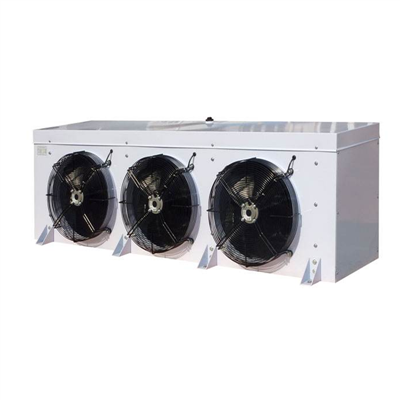
Whether you’re running a 1,000-square-foot cold room for a family-owned grocery store, a small craft brewery that needs to keep kegs at consistent temperatures, or a coffee shop that relies on fresh milk and cold brew for every customer, air cooled evaporators could be the solution that saves you money, reduces stress, and keeps your products fresh. To learn more about how an air cooled evaporator could work for your specific small-scale application, reach out to our team to discuss your needs and explore the right solution for your business.
Evaporator References:
- ASHRAE Handbook – HVAC Systems and Equipment, Chapter 11: Evaporators and Condensers, 2023
- U.S. Small Business Administration, Energy Efficiency Guide for Small Food Businesses, 2022
- International Institute of Refrigeration, Small-Scale Refrigeration Systems: Performance and Application Case Studies, 2021
- Energy Star, Refrigeration Equipment Energy Savings Opportunities for Small Businesses, 2023
Xiangshui Derkang Refrigeration Equipment Co., Ltd.
Address: No. 2, Xiaojian Town Entrepreneurship Park, Xiangshui County
E-mail: 505745223@qq.com
WebSite: https://www.xsderk.com/
