If you’ve ever worked with quartz surface – whether for a kitchen countertop, bathroom vanity, or outdoor patio – you know why it’s such a popular choice. It’s non-porous, scratch-resistant (well, mostly), low-maintenance, and adds that sleek, modern finish that elevates any space. But even with all its perks, damage happens. Last year, I had a client reach out to our quartz surface team panicking over a 3-inch chip on their new kitchen island, convinced they’d have to rip out the entire slab and start over. That question – can quartz surface be repaired if damaged? – comes up weekly, from homeowners, contractors, and interior designers alike. Let me break this down, from the common types of damage to the fixes that work, and what you need to know before attempting any repair. Quartz Surface
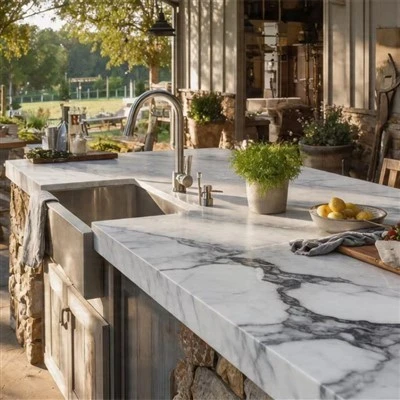
First, let’s set the record straight: quartz surface is not 100% unbreakable. It’s a man-made material made of 90-95% natural quartz crystals, bound together with resin pigments and other additives. That resin matrix is what makes it flexible enough to handle fabrication and installation, but it’s also the weak spot. The most common damage we see falls into a few categories: surface scratches, chips, cracks, and heat damage. Scratches are the most frequent – things from a sharp knife, a dropped metal can, or even a rough edge from a cleaning tool. Chips usually happen at the edge, often from a hard impact like a heavy pan dropping on a countertop corner. Cracks are less common, but can occur from improper installation (like not supporting the slab evenly) or extreme force. Heat damage is another one; while quartz is resistant to high temperatures, it’s not heat-proof – placing a hot pizza stone or a cast-iron skillet directly on the surface can discolor or warp the resin layer.
Now, the big question: can these be repaired? The short answer is yes, most of the time. The extent of the damage, the type of quartz you have, and who does the repair will determine how successful the fix is. Let’s go through each damage type and what’s possible.
Surface scratches are the easiest to tackle, depending on their depth. Minor, shallow scratches (the kind that don’t catch a fingernail when you run it across the surface) can often be buffed out with a quartz-specific polish or even a fine-grit sandpaper, like 400-grit, followed by a higher grit (up to 2000-grit) to smooth the area. Our team often advises clients to test this on an inconspicuous spot first, like the back of a counter, to make sure they don’t accidentally dull the finish. Deeper scratches – the ones that do catch your nail – are trickier. They might require a more targeted repair, like mixing a color-matched epoxy resin to fill the scratch, then sanding and buffing to blend it with the surrounding surface. This is where having the right color match is key; quartz comes in hundreds of shades, from solid whites to speckled grays and even bold patterns, so a generic epoxy won’t cut it. As a quartz surface supplier, we keep samples of our entire line on hand to help contractors match colors exactly when repairs are needed, which makes a huge difference in how seamless the final result looks.
Chips are the most common repair request we get. A small chip (less than an inch, on the edge or surface) can almost always be fixed. The process here is similar to deep scratches, but a bit more involved. First, the damaged area is cleaned thoroughly to remove any dirt, oil, or loose debris – even a tiny speck can ruin the bond of the epoxy. Then, the chip is filled with a color-matched epoxy, which is usually tinted to match the quartz’s base color, and sometimes even has tiny flecks added to mimic the natural quartz crystals in the slab. Once the epoxy cures (usually 24 hours, depending on temperature), the area is sanded smooth, starting with a coarse grit to shape it, then moving to finer grits to blend the repair into the surrounding surface. For chips on the edge, extra care is needed to make sure the finish matches the original bevel or edge profile – that’s where a professional’s touch really shines. I’ve seen DIY attempts on chips that look lumpy or discolored, but a pro with the right materials can make a small chip almost invisible.
Cracks are the trickiest of the three, but not impossible to repair. Small, hairline cracks on the surface can be filled with epoxy, similar to chips, but the risk here is that the crack might spread if the area is under stress. Larger cracks, especially on structural parts of the countertop (like where it meets the backsplash), might require a different approach. In some cases, a professional will reinforce the crack from underneath with a metal strip or additional epoxy to prevent it from getting worse. If the crack is very long or deep, replacement might be the only option, but that’s rare – most cracks can be repaired to a point where they don’t affect the functionality of the surface. The key with cracks is acting fast; if left untreated, dirt and moisture can get into the crack, which can cause the resin to break down over time, leading to more damage.
Now, let’s talk about what you shouldn’t do. A lot of homeowners turn to DIY fixes with epoxy from a hardware store, and while that works for small, shallow scratches, it’s not ideal for larger damage. Hardware store epoxies often don’t match the color or texture of quartz, so the repair will stand out. Also, using too much sandpaper or the wrong grit can scratch the surrounding area more, or even dull the surface finish – quartz usually has a polished, matte, or satin finish, and over-sanding can strip that. Another mistake: using regular glass polish or other abrasive products on quartz. Those can be too harsh and cause permanent damage. And definitely don’t try to fix a large crack or chip yourself – you could make the damage worse, leading to a more expensive repair or full replacement.
As a quartz surface supplier, I also want to note that not all quartz repairs are equal. The quality of the original slab matters too. Some lower-quality quartz surfaces have a resin matrix that’s thinner, making it harder to get a seamless repair. That’s why we only supply quartz that’s made with a high-purity resin, which is more durable and easier to blend during repairs. Our team works closely with installers and repair professionals to share tips on how to match our products, whether it’s a small touch-up or a full repair. For example, if a client has one of our solid color quartz slabs, we can provide a custom tinted epoxy that’s an exact match, so the repair blends right in. For our patterned quartz, we can even provide small flecks of the same quartz to mix into the epoxy, so the repair has the same speckled or veined look as the original surface.
One question I get a lot: does repairing a quartz surface void any warranty? That depends on the brand of quartz and the terms of the warranty. Most reputable quartz manufacturers (including the ones we partner with) cover defects in material or workmanship, but they usually don’t cover damage from impact, heat, or improper installation – which are the most common reasons for repairs. If you hire a professional to do the repair, it’s less likely to cause issues, but it’s always a good idea to check the warranty terms before attempting any fix. Some contractors also offer their own repair warranties, which is a good thing to look for if you’re going that route.
Let me share a recent example to put this in perspective. A few months ago, a contractor came to us with a countertop from our popular speckled gray quartz line. Their client had dropped a 10-pound cast-iron skillet on the edge of the counter, leaving a 1.5-inch chip. We sent them a sample of the exact slab, and our repair team mixed an epoxy matched to the gray base, with tiny black and white flecks to match the quartz. They cleaned the chip, applied the epoxy, let it cure for 24 hours, then sanded it smooth and buffed the finish. The client couldn’t tell where the chip had been – it looked brand new. That’s the kind of result you get when you use the right materials and someone who knows how to work with quartz.
Another scenario: a homeowner had a 2-inch scratch on their quartz backsplash from a utility knife during a DIY tile install. They tried to buff it out with a hardware store polish, which made it worse, so they reached out to us. We connected them with a local repair pro who used a custom epoxy from our color match, and the scratch was gone. The key here was not trying to do it themselves – getting the right color match and a professional touch makes all the difference.
Now, what about when replacement is necessary? In some cases, it’s better to replace rather than repair. If the damage is very large (like a full crack across the entire slab), if it’s on a structural edge that can’t be reinforced, or if the quartz is a rare custom pattern that’s no longer in production, replacement might be the only option. But even then, most of the time, a skilled repair can save you the cost and hassle of ripping out and reinstalling a whole slab. As a supplier, we understand that every project is unique, so we work with clients to assess the damage and recommend the best course of action – whether that’s a repair or a replacement.
If you’re dealing with damaged quartz surface, here’s what to do: first, assess the damage. Is it a small scratch, a chip, or a larger crack? For minor scratches, you can try a quartz-specific polish, but test it on a hidden spot first. For chips or cracks, it’s best to contact a professional quartz repair service, and if they need color matching, you can reach out to your quartz surface supplier for sample help. Don’t wait too long – repairing damage early can prevent it from getting worse, which saves you money in the long run.
At the end of the day, quartz surface is a durable, long-lasting material, but it’s not indestructible. The good news is that most damage can be repaired, sometimes with simple fixes, sometimes with a professional touch. As a quartz surface supplier, we’ve seen everything from tiny scratches to large chips, and we can tell you firsthand that with the right materials and expertise, you don’t have to start over. That’s why we work so closely with installers and repair teams, making sure they have access to the exact products and samples they need to get the job done right.
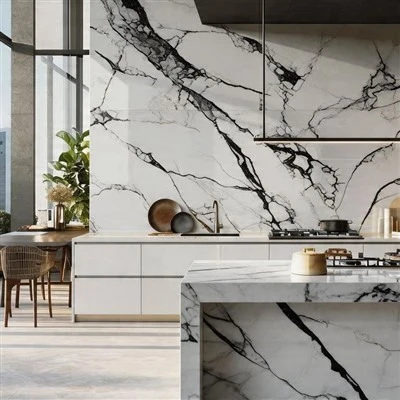
If you’re dealing with damaged quartz surface for a residential or commercial project, and you need guidance on repair options or color-matched materials, don’t hesitate to connect with our team. We’re here to help you assess the damage, recommend the best solution, and get your quartz surface looking as good as new, whether it’s a small touch-up or a more involved repair.
Artificial Quartz Stone References:
- International Organization for Standardization. (2019). Natural stone and engineered stone – Test methods for physical and mechanical properties. ISO 10545-12:2019.
- Marble Institute of America. (2021). Engineered Stone Fabrication and Installation Best Practices. MIA Technical Bulletin 103.
- National Kitchen and Bath Association. (2022). Countertop Material Guide: Engineered Quartz Durability and Repair. NKBA Industry Research Report.
- Petrographic Analysis of Engineered Quartz Composites. (2020). Journal of Materials in Civil Engineering, Vol. 32, No. 8.
Wuhu Junde New Material Technology Co., Ltd.
As one of the most experienced quartz surface manufacturers and suppliers in China since 1998, we warmly welcome you to wholesale top-quality quartz surface made in China here from our factory. If you have any enquiry about cooperation, please feel free to email us.
Address: No.8 Yulin Road, Xinwu Economic Development Zone, Anhui Province, China
E-mail: 1127319898@qq.com
WebSite: https://www.jundequartz.com/
