If you’ve ever walked into a professional setting and thought, “I want a suit that looks sharp, makes a statement, and still feels like me,” you’ve probably wondered about ethnic-inspired lady suits. As a lady suits supplier, I get that question all the time—from lawyers prepping for a big case, to marketing managers hitting a conference, to entrepreneurs closing deals. It’s not just about looking professional; it’s about blending your heritage with workwear that fits right, moves right, and doesn’t feel like an afterthought. Lady Suits
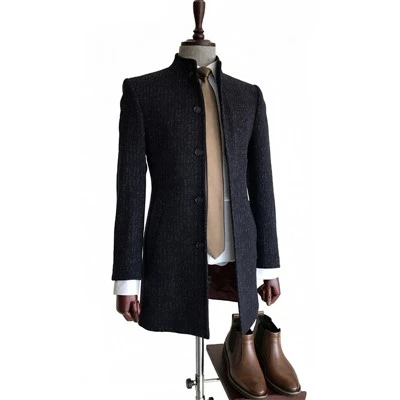
Let’s break this down, because it’s not just “adding a pattern” to a blazer and calling it a day. Ethnic-inspired lady suits work when they honor specific cultural traditions without appropriating them, they’re tailored for a woman’s body (so no boxy, one-size-fits-all shapes that ignore our curves), and they’re versatile enough to wear to a board meeting and a casual dinner after. Let’s start with the basics: what does “ethnic-inspired” actually mean here? It’s taking design elements from cultures around the world—think Indian block prints, West African adire, Mexican embroidery, Japanese obi wrapping, or Scottish tartan (wait, that’s a big one for diaspora communities)—and translating them into workwear staples that fit modern women’s lives.
Take Indian block print suits, for example. A lot of people know block prints from saris, but when we adapted that for blazers and trousers, we kept the hand-carved wooden motifs (floral, geometric, even tiny paisley details) but made the silhouettes work for office days. We’re not talking about a sari paired with trousers—that’s a trend that works for events, but not always for a 9-to-5. Instead, we make single-breasted blazers with subtle block print accents: a lining that peeks out when you unbutton, or a narrow trim along the lapel. The trousers might have a small, repeating block print stripe down the side, so it’s a nod to tradition without being over the top. I’ve had clients tell me this is perfect because it’s not too loud for a client meeting, but when a colleague asks where they got it, they can talk about their Indian heritage—no explaining needed.
Then there’s West African adire, which uses resist-dyeing techniques that’ve been around for centuries. We worked with artisans in Nigeria to adapt adire’s bold, indigo and white patterns into suit separates. A cropped blazer with a straight hem, paired with high-waisted straight-leg trousers, where the adire pattern is only on the upper half of the blazer and the waistband of the pants. It’s striking, but it’s still structured enough to look professional. One of our regular clients, a graphic designer, wears her adire suit to pitch to design firms—she says it makes her stand out in a good way, not a distracting way, because the pattern is intentional, not random.
Mexican embroidery is another big one, and people often mix this up with “cultural appropriation,” but when we do it right, we collaborate with Mexican artisans to replicate small, traditional embroidery stitches (like cross-stitch or floral “florecitas”) instead of copying entire garments. A soft, neutral blazer in taupe or black has delicate embroidery along the cuffs and the edge of the pockets—just enough color to feel personal, but not so much that you can’t layer it with a turtleneck in winter. We also make midi-length pencil skirts with the same embroidery at the hem, paired with a fitted blazer. A school administrator ordered one last year; she told me her students loved the little floral details, and parents commented on how “authentic” it felt—she didn’t have to explain that it’s a nod to her Mexican mom’s side of the family, it just translated.
Wait, let’s talk about what doesn’t work, because this is important. You’ll see fast fashion brands churning out “ethnic-inspired” suits that are cheaply made, use patterns without credit to the culture they come from, and fit badly. That’s why we prioritize collaboration. For example, when we did Scottish tartan suits, we partnered with a small wool mill in Scotland that works with local weavers to use tartans that are meaningful to specific clans, but we also offer more neutral, modern tartans that aren’t tied to a specific clan so anyone can wear them. We don’t just slap a tartan on a blazer—we make sure the fabric is high-quality wool that holds its shape, and the cut is tailored for women, not men (so it’s nipped at the waist, the sleeves hit at the right point, no baggy shoulders).
Another thing I get asked a lot: “Are these suits just for people who identify with that culture?” No, not at all. A friend of mine who’s Korean but grew up in Texas bought one of our Japanese obi-inspired suits last year. We took obi’s wide, elegant sash design and turned it into a detachable belt that pairs with a simple black blazer and trousers. You wrap it around the waist (not too tight, not too loose) and it adds a pop of color and structure. She says she loves it because it feels unique, not like every other blazer she owns, and it’s a way to celebrate her heritage even if she’s not wearing traditional hanbok. That’s the point, right? Ethnic-inspired workwear should be inclusive, not exclusive.
Let’s talk about practicality, because a suit is useless if it can’t keep up with your day. All of our ethnic-inspired lady suits are machine-washable (well, most of them—silk blends need dry cleaning, but we note that on every product page), they’re wrinkle-resistant (trust me, nothing kills a professional look more than a wrinkled blazer on a red-eye flight), and they’re made from stretch fabrics where it makes sense (so if you’re running between meetings, you don’t feel restricted). We also size them from 0 to 20, because every woman deserves a suit that fits her body, no matter her size. I’ve had plus-size clients tell me they struggle to find suits that don’t make them look frumpy, so we pay extra attention to cutting the blazer to flatter curves—cinched waist, structured shoulders that don’t look padded, sleeves that hit at the wrist.
Wait, let’s add a real example of a customer to make this feel less like a sales pitch. Last quarter, a woman named Priya reached out to us. She’s a software engineer at a tech startup, and she needed a suit for her promotion party and a client demo. Her mom is from Chennai, so she wanted something that tied to her Indian heritage but didn’t feel like a costume. We put her in our block print blazer with a black trouser—subtle floral block print on the lining, so when she turned around, clients noticed it. She sent me a photo a week later, saying the demo went great, and her manager asked where she got the suit because she wanted one for herself. That’s the best part of this work—we’re not just selling suits, we’re helping women feel connected to their roots while crushing their goals.
Is there a risk, though, of “cultural appropriation”? Absolutely, which is why we’re intentional about it. We never copy sacred designs—for example, we don’t use Hindu deities on suits, because those are religious symbols, not decor. We work directly with artisans from the cultures we’re drawing from, so they get fair payment for their work. When we used West African adire patterns, we worked with a small women’s co-op in Lagos, and 30% of every sale goes directly to them to fund their next dyeing project. That’s non-negotiable for us. It’s not just about making a pretty suit—it’s about honoring the people who created these traditions.
Another angle: versatility. You can wear an ethnic-inspired suit to work, but you can also dress it up for a wedding or a holiday party. Take the Mexican embroidery skirt suit: pair the blazer with a plain white t-shirt and jeans for a casual weekend, or wear the pencil skirt with a silk camisole and heels for a night out. The tartan suit we make works for fall, paired with ankle boots and a turtleneck, or for winter, layered over a turtleneck and a wool coat. That’s why so many of our clients say they get more wear out of these suits than their plain black blazers—because they’re not just “work suits,” they’re wardrobe staples with personality.
I’ve also noticed a shift in what women are looking for lately. Pre-pandemic, most people wanted plain, neutral suits—black, navy, gray. Now, women want suits that reflect who they are. They want something that doesn’t feel generic, that makes them feel confident, that tells a little story about them. That’s where ethnic-inspired lady suits come in. They’re not a trend that’ll fade in a year; they’re a way to merge personal style with professional need, which is exactly what a good suit should do.
Wait, let’s be honest: it’s not perfect. Sometimes we get it wrong, like when we first tried a pattern from a culture and didn’t get the sizing right, or when we accidentally used a motif that’s more sacred than decorative. But we listen to our customers, we listen to the artisans we work with, and we adjust. For example, after a client from Oaxaca told us our embroidered blazer used a pattern that was specific to her village’s celebrations, we pulled that design and created a new, more general floral pattern that’s appropriate for everyday wear. That’s the kind of care we put into every suit.
So, if you’re a woman who’s tired of the same old plain suits, if you want something that feels like you, that honors your heritage (even if it’s just a small nod), or that’s just different enough to stand out without being unprofessional, ethnic-inspired lady suits are worth checking out. We’ve got options for every style—from subtle accents to bold patterns, from tailored blazers to midi skirts, from neutral tones to rich, saturated colors.

If you’re interested in learning more, or if you want to talk about customizing a suit that’s perfect for you, feel free to reach out to us to discuss your procurement needs. We’re here to help you find a suit that fits your body, your budget, and your story.
Dress Shirt References
- Design Museum. (2022). “Cultural Appropriation vs. Appreciation in Fashion: A Guide for Brands.”
- Journal of Fashion Studies. (2021). “Ethnic Design Elements in Contemporary Professional Wear: Inclusivity and Cultural Respect.”
- Global Fair Trade Network. (2023). “Fair Trade Practices in Artisanal Fashion Collaborations.”
- Women’s Wear Daily. (2022). “The Rise of Personalized Workwear: How Professionals Are Rejecting Generic Suits.”
Ningbo Mantinno Fashion Co., Ltd.
As one of the most professional lady suits manufacturers and suppliers in China, we also support customized service. Welcome to wholesale bulk high quality lady suits in stock here from our factory. If you have any enquiry about quotation, please feel free to email us.
Address: Huijin Building, No.77 Heyi Road, Haishu District, Ningbo, Zhejiang, China
E-mail: helen@mantinno.com
WebSite: https://www.mantinnosuit.com/
