If you’ve ever worked in a machine shop, you know a vertical machining center (VMC) is no just a hunk of metal that sits there cutting parts. As a VMC supplier, I’ve seen too many shops skip the small environmental checks at first, only to run into weird issues down the line—like inconsistent cuts, frequent breakdowns, or even prematurely worn parts that end up costing way more than the time it takes to nail the right setup. Let’s break down exactly what you actually need to make your VMC run smoothly, no fluff, no fancy jargon. Vertical Machining Centers
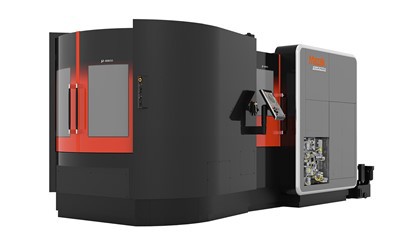
First up, let’s talk about space. A lot of new shops (or even old hands expanding) underestimate how much room a VMC needs. I’ve had customers try to cram a 40-taper VMC into a spot that’s only a foot or two bigger than the machine itself, and guess what? Their operators can’t load parts safely, and the chip conveyor—critical for clearing metal shavings mid-job—keeps hitting the wall. Rule of thumb: leave at least 3 feet of clearance on the front (where the door opens for loading/unloading), 2 feet on each side, and 1 foot at the back. Why? Because your machine’s cooling units and electrical panels need airflow, too—block those and you’ll get overheating alarms that shut down production out of nowhere. Also, leave a little extra space for future upgrades. A lot of shops add a 4th axis rotary table later, and if you didn’t plan for that extra foot, you’re tearing into the shop floor just to fit it.
Next, power. This is one I see mess up the most. VMCs pull a lot of consistent power, but they also have spikes when the spindle ramps up or the coolant pump kicks on. I’ve had a customer with a 220V single-phase line for their VMC—totally wrong. Single-phase lines can’t handle the torque a VMC needs for tough cuts, and they’ll trip breakers constantly, even if the voltage reads right on the meter. Most modern VMCs run on 480V three-phase power, but double-check your machine’s specs: some smaller benchtop VMCs work on 220V three-phase, but don’t guess. Also, invest in a voltage stabilizer or line conditioner. Your shop might have other big machines—like lathes or compressors—that fluctuate voltage, and that’s a silent killer for VMC electronics. I’ve seen control boards fry because of a 10V voltage dip that no regular meter picks up. Pro tip: test your power line with a quality power analyzer before installing the machine. It’s a $100 test that saves you $1,000+ in repairs.
Then there’s temperature and humidity. VMCs are precision tools, so even tiny temperature swings throw off cuts. Most manufacturers recommend keeping the shop between 60°F and 80°F (15°C to 27°C), with no more than a 5°F (3°C) change in a single day. Why? Because the machine’s cast iron body expands and contracts with heat—if your shop heats up 10 degrees during the day while you’re running a long job, your part dimensions will be off by a few thousandths of an inch, which is enough to scrap a whole batch of parts. Humidity is another big one. Too dry, and you’ll get static electricity that messes with the control panel’s sensors and can even damage computer boards. Too humid, and condensation builds up—corrodes wires, rusts the spindle, makes your metal parts rust before you even machine them. Aim for 40% to 60% relative humidity. If your shop is super dry in the winter, a small humidifier near the VMC works; if it’s swampy in the summer, a dehumidifier near the machine’s electrical cabinet will keep the good stuff in.
Coolant and lubrication—wait, that’s part of the environment, right? Absolutely. The cutting coolant isn’t just for cooling the tool; it keeps the spindle and ways lubricated, too. You can’t just dump any old coolant mix in there. First, make sure the coolant’s concentration is right—usually 5% to 10% for general machining, but adjust for tough materials like titanium or stainless. If it’s too weak, it won’t cut heat and will stink up your shop; too strong, it can corrode the machine’s internal parts. Also, change the coolant regularly—every 3 to 6 months, depending on how often you run the machine. Old coolant grows bacteria, which makes it slimy, clogs the filters, and ruins your tool life. For lubrication, the VMC’s linear ways and ball screws depend on the right grease or oil, and the ambient shop temp affects that, too. If it’s too cold, the grease gets thick and doesn’t lubricate right, leading to premature wear. If it’s too hot, it thins out and leaks out too fast. Most machines have a built-in lubrication system, but you should check it daily to make sure it’s cycling oil properly—don’t wait for the alarm.
Dust and chips. Metal shavings (chips) are a given, but if they’re not cleared right, they turn into a problem. A lot of shops just use a shop vac, but that’s not enough for high-volume jobs. The chip conveyor on your VMC is there to move chips out, but if your shop is full of fine metal dust (like from aluminum machining), that dust gets everywhere—into the spindle’s bearings, into the control panel, into the linear guideways. Fine aluminum dust is especially tricky because it’s conductive—if it gets on electrical connections, it can cause short circuits. So, you need a good dust collection system tailored to the material you’re machining. For aluminum, use a HEPA-filtered collector to catch the fine dust; for steel, a regular cyclone separator works. Also, keep the area around the VMC swept daily—don’t let chips pile up on the floor or under the machine, because they can get sucked into the machine’s cooling fan and cause overheating.
Another thing: vibration. Your VMC needs a solid base, otherwise every time the spindle spins at 10,000 RPM, the machine shakes, leading to rough cuts and tool breakage. Most new VMCs come with mounting holes for concrete anchors, but don’t just bolt it to a wobbly concrete floor. If your shop is on a second floor, make sure the floor rating can handle the machine’s weight (a 30-taper VMC is around 5,000 lbs, a 50-taper is 10,000 lbs or more) and that there are no other heavy machines running above or below—like a forging hammer that sends vibrations through the whole building. Even if you’re on a ground floor, pour a 6-inch concrete pad (with rebar) under the machine, and level it within 0.002 inches. I’ve seen a shop skip the pad, and after a few months, the machine’s alignment was off so bad they had to replace the spindle—cost them $5,000, all because of a $200 concrete pad.
Wait, let’s not forget about ventilation. Cutting metal creates fumes—from coolant mist, from the material being machined (like stainless steel fumes, even titanium), and sometimes from coatings on parts. Those fumes aren’t just stinky; they’re bad for your operators’ lungs and can also coat the machine’s internal parts, leading to corrosion. So, make sure your shop has a ventilation system that pulls fumes away from the VMC, not just circulating air around. A local exhaust hood right above the machine’s work envelope works best, especially if you do a lot of high-speed machining that creates mist. Also, if you’re machining materials with toxic coatings (like cadmium or some plastics), you need a more specialized fume extractor—check with your machine tool supplier to make sure you’re covered.
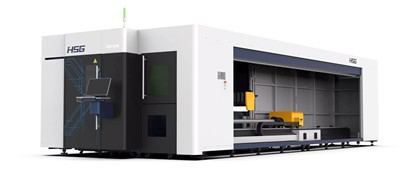
Let’s wrap this up with a quick reality check. As a VMC supplier, I talk to shop owners every week who want to get the cheapest machine, but skimp on the environmental setup is the fastest way to regret it. A $500 investment in a voltage stabilizer, a concrete pad, and a dust collector will save you thousands in repairs, downtime, and scrap parts. If you’re not sure what your shop needs, don’t guess—reach out, and we can walk through your space, power, and machining habits to make sure you get the right setup for your VMC. No pushy sales stuff, just straight advice. If you’re ready to pick a VMC or want to troubleshoot your current setup, get in touch and we can chat through what works for your shop.
Coordinate Measuring Machine References:
- Haas Automation, Inc. (2022). Vertical Machining Center Installation and Environmental Guidelines.
- Mazak Corporation. (2021). Precision Machining Equipment: Power, Temperature, and Space Requirements.
- Modern Machine Shop. (2020). “Shop Environment’s Impact on CNC Machine Performance and Longevity.”
- DMG MORI. (2022). VMC Setup Best Practices for Small to Medium Machine Shops.
- National Institute for Occupational Safety and Health (NIOSH). (2019). “Workplace Ventilation for CNC Machining Operations to Control Fumes and Dust.”
Hermens Industrial Co., Ltd.
As one of the most professional vertical machining centers enterprises in China, we’re featured by quality products and low price. Please rest assured to buy cheap vertical machining centers in stock here and get quotation from our factory. We also accept customized orders.
Address: 9/59 Moo 14, Rachathewa , Bang Phli , Samut Prakan Province 10540
E-mail: liu_jincheng@hzhemen.com
WebSite: https://www.hermensindustrial.com/
