If you’ve ever walked the production floor of a manufacturing shop, an automotive repair garage, or a electronics assembly line, you know how chaotic parts bins can get. A bin that should hold 100 M3 screws might be half-empty one day, swapped with a different size the next, or misplaced in a storage nook that no one’s mapped yet. For parts bins suppliers, this chaos isn’t just a nuisance—it’s a revenue killer. We sell the bins, the dividers, and the hardware to organize inventory, but for decades, most of our customers relied on paper logs, spreadsheets, or old barcode scanners that break, get mislabeled, or fail to update in real time. Last year, a mid-sized aerospace parts plant that’s been a customer of ours for 12 years came to us with a $14,000 problem: they’d overordered $12,000 worth of specialty fasteners because their team couldn’t track how many were in each bin, and another $2,000 worth of parts went missing when a bin was moved without logging it. That day, we shifted how we advise our customers, and now we’re sharing what works to track parts in bins with software—no fluff, no overcomplicated tools, just solutions that actually fit the parts bin model. Parts Bins

First, let’s start with the basics: why parts bin inventory is uniquely hard to track, versus full pallets or bulk warehouse stock. Parts bins are small, high-turnover, and often scattered—some sit on workstations right next to technicians, others are stacked on mezzanine shelves, some even get moved between jobs on job carts. A single bin might hold 20 different small parts, each used multiple times a day, so manual counts are impossible to do accurately every shift. Paper logs get lost; spreadsheets are updated once a week at best, which means by the time you know you’re low on a part, production is already delayed. For parts bins suppliers, we see this gap every day, so we build our recommendations around tools that integrate with the actual bin setups our customers already use, not the other way around.
The first step to tracking parts in bins with software is to map your bin setup before choosing any tool. You can’t track what you haven’t labeled, right? For most parts bin operations, that means three core labeling layers: the bin itself, the slot it lives in, and the part inside. Let’s break that down. For the bin: standard paper labels can smudge, tear, or fall off, so we recommend durable, wipeable adhesive labels for metal or plastic bins—those work for both basic barcode tools and more advanced RFID systems. Each bin needs a unique identifier, not just a generic “fastener bin 12.” Something like “WB-M3-25-01” makes sense: WB for Western Bin (our brand, since we supply most bins here), M3 for the screw size, 25mm length, and 01 as the bin’s location number. That ID links directly to your software, so no one has to guess what’s inside.
Next, map the physical space where bins live. If your bins are stored in a rack system, each slot has a location ID too—think “Aisle 3, Rack 2, Slot 4.” This is non-negotiable because 70% of misplaced parts bins we see at customer facilities are moved to a different slot and never logged. Our supply team includes free slot mapping templates for every customer, whether they have 100 bins or 10,000, so they don’t have to figure that out from scratch. We’ve seen customers skip this step and end up with bins that are in the right bin, but the software thinks they’re in another rack, leading to wrong inventory counts and unnecessary rush orders.
Once you have your labels and slot map, choose a tracking tool that matches your volume. This is where a lot of suppliers overcomplicate things—most parts bin operations don’t need a $100,000 warehouse management system (WMS). There are three tiers of tools, and we match each to our customer’s size: small operations (100 to 500 bins) work well with cloud-based inventory apps like Zoho Inventory or Sortly, which cost $20 to $100 a month, have built-in barcode scanning, and let multiple team members update counts from their phones. For mid-sized operations (500 to 5,000 bins), we recommend mid-tier WMS tools like Fishbowl or Fishbowl’s smaller counterparts, which integrate with bin labeling and track lot numbers for parts that need traceability, like aerospace fasteners. For large operations with 5,000+ bins, including automotive assembly lines, we pair them with full RFID-integrated systems, which use small tags on each bin to scan multiple bins at once from a few feet away—no need to scan each one individually, which is a huge time saver for high-volume shifts.
Now, the part that actually works for tracking: scanning workflows tailored to parts bin use, not warehouse bulk stock. The biggest mistake teams make with new software is using a one-size-fits-all scan process that doesn’t fit how parts are used. For parts bins, you need two core scans: a receiving scan when you restock a bin, and a withdrawal scan when a technician takes a part. Let’s walk through how this works in real life. Last quarter, a customer in Colorado that repairs farm equipment switched to the scanning system we recommended. When their delivery of 1,000 M6 bolts arrives, their warehouse team scans the bin’s ID, the part number, and the quantity received, updating the software to say “1,000 in bin WB-M6-50-01, Aisle 2 Slot 3.” Then, when a mechanic needs 10 bolts to fix a tractor, they pull out their phone, scan the bin’s barcode, type in “10,” and the software automatically updates the count to 990. No more writing on paper, no more waiting for a weekly spreadsheet update. This customer cut their part shortage delays by 85% in the first three months, and they’ve reordered 20% more of the bin systems from us since then.
Wait, but what about bins that hold multiple small parts, like a bin with washers, screws, and nuts all in the same compartment? That’s a common setup, and most software doesn’t handle it well—so we adjust the tool setup for that. For multi-part bins, we add sub-labels for each small part inside, each with its own tiny barcode, and update the software to track each sub-part individually. So instead of a single count for the bin, you have a count for M6 washers, a count for M6 screws, and so on, all in the same physical bin. That way, a technician doesn’t accidentally take 100 screws when they only needed 10 washers, which is a mistake we’ve seen cost customers hundreds of dollars a month in wasted parts.
Another key feature we prioritize for parts bin tracking is low-alert notifications. A lot of software will only tell you when a part is already out of stock, but for parts bins, that’s too late—production is already waiting. We set up custom low-level alerts based on your usage. If a part is used 50 times a week, the alert triggers when the count hits 10, so you can restock before it runs out. For slow-moving parts, like specialty bolts used once a quarter, the alert triggers when the count hits 2, so you don’t hold excess inventory that goes bad. Our customers say these alerts alone have reduced their emergency part orders by 60%, which is a huge cost save because emergency orders for small parts often cost 3x more than regular orders.
Now, let’s talk about common pitfalls we see when customers implement this, because even the best software fails if you skip these steps. First, not training your team. We can supply the bins, the labels, and the software, but if your technicians don’t know how to scan, it won’t work. We do free on-site training for all our customers, and we create quick reference guides that stay taped to each bin, so someone can glance at it if they forget how to scan. Second, not doing weekly spot checks. Software is great, but it’s not perfect—bins get miscounted, labels get smudged, parts get moved. We recommend 10-minute spot checks every week: pick 10 random bins, count the physical parts, and confirm the software count matches. This takes almost no time, and it catches small issues before they become big problems. Third, using generic labels that don’t hold up. We supply labels made for industrial environments, which resist oil, dust, and temperature changes, so they don’t fade or fall off like regular paper labels. We once had a customer use regular office labels that fell off a bin in a week, leading to 3 days of lost parts before they switched to our labels—so that’s a small investment that pays off.
For parts bins suppliers like us, the best part of helping customers track their bins with software is that it’s a two-way street. When a customer uses our bin systems and our recommended tracking software, we get real data on how different bin setups perform for different industries. Last year, we noticed that electronics assembly shops use small, shallow bins for tiny resistors, and aerospace shops use deeper bins for large fasteners, so we adjusted our bin line to include more of those sizes, based on what customers’ tracking data told us they needed. It’s not just selling a product—it’s solving a problem, which is why we’ve been able to work with the same customers for 10+ years.
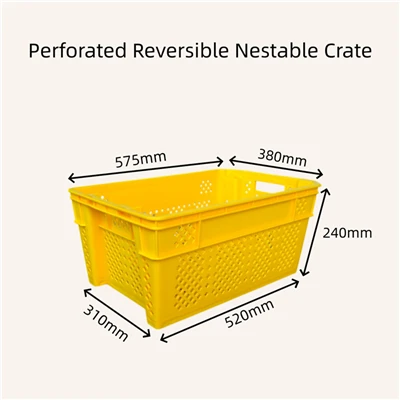
If you’re a manager at a shop or plant that’s dealing with missing parts, overstocked bins, or production delays from inventory errors, let’s talk. We don’t push the most expensive software or the biggest bin set—we work with your current setup, whether you have 50 bins or 10,000, to build a tracking system that fits your needs. We can show you case studies from similar businesses, help you map your bin slots, and even bring in our team to help with implementation. Don’t let parts bin chaos slow down your production or eat into your profits. Reach out today to connect with our procurement team to discuss your needs and get a customized solution for your parts bin tracking.
Parts Bins References:
- 2023 Manufacturing Inventory Efficiency Report, National Association of Manufacturers
- Parts Bin Tracking Best Practices, Industrial Storage Products Association
- Small Business Cloud Inventory Tool Review, G2 Crowd 2024
Ningbo Simple Trading Co., Ltd.
Ningbo Simple Trading Co., Ltd. is one of the most professional parts bins manufacturers and suppliers in China. With a professional production team, we are able to meet the needs of the majority of our customers. Please feel free to wholesale custom made parts bins from our factory.
Address: Room 908, Star International Office Building, No.1359, Tiantong South Road, Yinzhou District, Ningbo City, Zhejiang Province.
E-mail: Simpleexport@nbsimpletrading.com
WebSite: https://www.logisticsequipments.com/
