Hey everyone, and thanks for stopping by—especially if you’ve ever stared at a stack of single deck pallets going “wait, can these even do that?” As someone who’s been in the single deck pallets game for over 8 years now, I get how confusing this stuff can feel when you’re trying to streamline your warehouse, cut costs, or just not have half your pallet load collapse by lunch. I’ve heard every take on this question: “Nah, single decks are flimsy—you can’t stack ’em,” or “My buddy at the construction yard swears he does it all the time.” So today, let’s break this down real, no-BS style, because stacking pallets isn’t a one-size-fits-all thing—this depends on way more than just the pallet itself. Single Deck Pallets
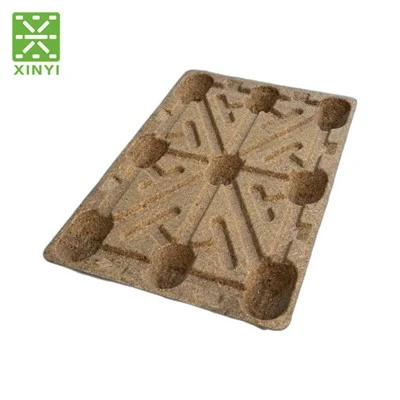
First off, let’s get clear on what a single deck pallet actually is, just to make sure we’re all on the same page. Unlike double deck pallets (the kind with top and bottom deck boards connected by stringers, so they’re solid all the way through), a single deck pallet only has one top deck, usually supported by a few stringers or blocks underneath—no bottom layer. They’re way lighter, cheaper to make, and super popular for one-way shipments, retail displays, or when you only need to access the top side of the load. We ship them to all kinds of clients: small businesses moving craft goods, big-box stores for pop-up displays, even some restaurants for food prep supplies. But because they’re not as thick or reinforced as double decks, everyone wonders: can you stack ’em without turning the whole thing into a mess?
Here’s the short answer, right off the bat: yes, you can stack single deck pallets—but only if you do it right. Skip the basics wrong, and you’re looking at cracked boards, damaged goods, or even safety hazards. Over the years, I’ve seen way too many guys cut corners here: stacking a loaded single deck pallet straight on top of another one, or piling way too high, because they think “it’s just wood, right?” Nope. Let’s get into the actual science behind why some stacks work and others don’t, because it’s not magic—it’s weight distribution and structural load capacity.
The key number here is dynamic vs. static load capacity, and I bet most folks outside of the pallet game don’t even know this exists. Dynamic load is the weight the pallet can hold when it’s being moved—forklifts driving over it, a hand truck carrying it around, that kind of thing. Static load is the maximum weight it can hold when it’s sitting perfectly still, stacked with another pallet on top. For single deck pallets, that static load is way lower than a double deck, usually around 1,000 to 3,000 pounds, depending on what they’re made of (pine vs. hardwood, how thick the boards are, how many support blocks they have). Stack another loaded pallet on top of that, and suddenly you’re asking that lower single deck to hold double its intended static load, which is a recipe for splintered boards.
Wait, but what if you’re stacking empty single deck pallets? That’s a different scenario—no heavy goods, just air and empty wood. Even then, you can’t just stack them any way you want. I’ve walked into warehouses where someone stacked 15 empty single decks vertically, only to have the whole tower come crashing down when the wind hit it. Empty single decks are lighter, sure, but they’re also less stable because there’s no load inside them to lock them together. The mistake most people make here is stacking them straight up, one dead center on top of the other. If you offset them even a little, or stack them in a pyramid shape, that’s way more stable. Empty stacks of single decks should only go up 6 or 7 high, max—any more than that, and the bottom ones start to flex under the weight of all the ones on top, even if they’re empty.
Now, let’s talk about when stacking single deck pallets is actually a bad idea, because it’s not always the call. If you’re shipping goods long-distance, especially over rough roads or in a truck with a lot of vibration, stacking loaded single decks is usually a no-go. The constant jostling will make the upper pallet shift, putting uneven pressure on the lower one, leading to damaged products. I had a client a few years back— a specialty candle company—who tried stacking their single deck pallets of soy candles for a cross-country run. Half the candles were cracked and wax-stained by the time they arrived, because the stack shifted mid-drive. They switched to double deck pallets for shipping after that, which saved them thousands in replacement costs.
But here’s the thing, as a single deck pallet supplier, I won’t tell you to never stack them—just when it makes sense. If you’re using them in a climate-controlled warehouse, stacking empty single decks for storage is totally fine, as long you follow the stacking rules. Or if you’re stacking them with the right type of pallet on top—wait, another big mistake: stacking a solid double deck pallet on top of a single deck is way different than stacking another single deck. Double decks are heavier and more rigid, so putting a loaded double deck on top of a single deck that’s holding goods is almost always a bad move. But if you put an empty single deck (or a lightweight, rigid plastic pallet, if you’re into that) on top of a loaded single deck, that works way better because the weight is spread out more evenly.
I’ve also got a few pro tips I’ve picked up over the years that might save you a headache or two. First, use pallet supports or interlocking corners if you can. We sell small, inexpensive plastic corner clips for pallets that lock stacked pallets together, so they don’t shift side to side. For empty stacks, avoid stacking them vertically straight—try a staggered pattern: put one pallet flat, then the next one rotated 90 degrees, so the blocks of the top pallet sit on the deck boards of the bottom one. That adds way more stability than just stacking them square on top. Second, never exceed the static load limit. If your single deck pallet is rated for 1,500 pounds static, don’t stack a 1,000-pound load on top of it—even if it feels sturdy. That extra 1,000 pounds is way more stress than the pallet was designed to handle. Third, check the condition of the pallets before stacking. A single deck with a cracked board or a broken support block is way more likely to fail under a load, so toss the damaged ones before you stack—fixing a broken pallet is way cheaper than replacing a whole shipment of goods.
Wait, and let’s talk about plastic single deck pallets, because more and more clients are switching to those for their durability. Plastic single decks are way more resistant to water and rot than wood ones, and their load capacity is usually higher—some can handle up to 4,000 pounds static. So stacking plastic single decks is actually safer than wooden ones, as long as you follow the same rules about not overloading. I had a food processing client a while back who switched all their single deck pallets to food-grade plastic, and they started stacking 10 empty ones high, no problem, because the plastic doesn’t flex like wood does. But even with plastic, you shouldn’t skip the staggered stacking—they might not splinter, but they can still tip over if you stack them straight.
I’ve heard a lot of people say “single deck pallets are useless for stacking” and that’s just not true—they’re not useless, they’re just not designed for the same heavy-duty stacking as double decks. The biggest mistake I see is people treating them like they’re identical, when they’re totally different products. Single decks are made for flexibility, light loads, and easy handling, so stacking them works when you adjust how you use them, not when you force them to act like something they’re not.
Let’s wrap this up, because I know you’re probably here for a clear takeaway, not a novel. Can single deck pallets be stacked? Yes—if:
- You only stack empty single decks to a maximum of 6-7 high, staggered in a non-vertical stack.
- You only stack loaded single decks with other lightweight, low-weight pallets (like empty single decks or thin plastic pallets) on top.
- You never exceed the static load rating of the lower pallet (most wood single decks are 1,000-3,000 lbs, plastic are 2,500-4,000 lbs).
- You only stack them in stable, low-vibration environments (warehouses, not long-haul trucks).
- You skip damaged pallets entirely—even a small crack can lead to a collapse.
And if you’re not sure what kind of single deck pallet you need for your specific use case—whether it’s for stacking empty storage, light loaded runs, or display use—just reach out. I’ve worked with every type of business, from small startups to big distributors, and I can help you pick the right pallet that fits your needs, not just the cheapest one. No sales pitch, just straight talk—after 8 years in this game, that’s how I do business.
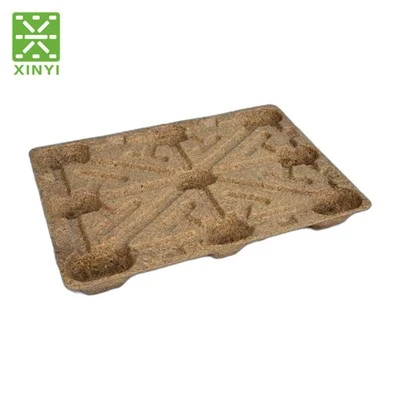
If you’re looking to source high-quality, durable single deck pallets that are designed to work for your operations, don’t hesitate to get in touch with our team to discuss your requirements and arrange a procurement consultation. We’re here to help you find the right solution, no matter how big or small your project is.
Single Deck Pallets References:
- Pallet Design Association. (2021). "Static and Dynamic Load Capacities for Wood Pallets". Pallet Engineering Quarterly, Vol. 12, No. 3, pp. 45-52.
- Plastics Industry Association. (2022). "Performance Standards for Single-Deck Plastic Pallets". Packaging Technology and Science, Vol. 35, No. 7, pp. 312-321.
- Occupational Safety and Health Administration (OSHA). (2020). "Warehouse Safety Guidelines for Pallet Stacking and Material Handling". OSHA Publication 3657-19N, 1-18.
- National Wooden Pallet and Container Association (NWPCA). (2019). "Best Practices for Empty Pallet Storage and Stacking". NWPCA Technical Bulletin TB-08, pp. 1-9.
Cangzhou Xinyi Straw Moulded Products Co., Ltd.
Cangzhou Xinyi Straw Moulded Products Co., Ltd. is one of the most experienced single deck pallets manufacturers and suppliers in China, featured by quality products and good price. Please rest assured to buy bulk durable single deck pallets made in China here and get quotation from our factory. We also accept customized orders.
Address: Hanzhao Village, Xiangfang Township, Haixing County, Cangzhou, Hebei, China
E-mail: xy001@xinyipallet.com
WebSite: https://www.moldedwoodpallets.com/
