If you’ve spent any time in coal mining operations, you know how costly drill pipe sticking can be. I’ve been a coal drill pipe supplier for over 12 years, and I’ve seen it firsthand: a single stuck pipe can halt production for days, eat into profit margins, and even damage your drill rig beyond repair. That’s why today, I want to break down the science behind coal drill pipe sticking, share the practical steps we recommend to prevent it, and explain why partnering with the right supplier makes all the difference. Coal Drill Pipe
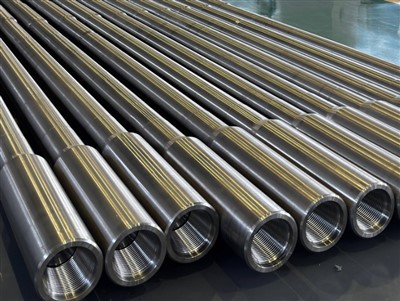
First, let’s get clear on what drill pipe sticking actually is. When you’re drilling through coal seams, rock layers, and sometimes water-saturated mud, the drill pipe can become trapped between the wellbore wall and the drill cuttings, or get stuck due to pressure imbalances. There are three main types we deal with most often: differential sticking, cuttings bed sticking, and mechanical sticking. Each has its own root cause, so prevention starts with understanding what you’re up against.
Differential sticking is the most common. This happens when the pressure of the drilling fluid (mud) in the wellbore is higher than the formation pressure. The drill pipe gets pressed against the wellbore wall by that pressure difference, and the mud filtrate seeps into the space between the pipe and the wall, creating a suction effect. Think of it like a suction cup—once it sticks, pulling it straight often just deforms the pipe or breaks it. I’ve had customers call me in a panic because they spent $10,000 trying to free a pipe, only to have it snap mid-pull, leading to a fishing job that cost three times that. The good news? This is preventable with proper mud management and drill pipe setup.
Cuttings bed sticking is another big one. When drill cuttings (the tiny rock and coal chips you grind up while drilling) aren’t circulated out of the wellbore properly, they settle on the low side of the wellbore as you drill horizontally or at an angle. Over time, that cuttings bed builds up, and the drill pipe settles into it, getting wedged in place. This is especially common in deviated wells, where gravity pulls cuttings downward. I’ve seen wells with a 15-degree deviation that developed a cuttings bed just 20 feet down, leading to a stuck pipe that shut down the entire mine for 48 hours. Poor mud flow rates or wrong mud viscosity are the usual culprits here.
Mechanical sticking is less common but just as tricky. This happens when the drill pipe itself has defects—like bent threads, worn tool joints, or dents—that catch on the wellbore wall or formation obstructions. Sometimes it’s due to mishandling during transport or rig setup, but often, it’s because the drill pipe isn’t suited for the operating conditions. As a supplier, we’ve seen customers use steel drill pipes meant for oil drilling in coal mines, which have weaker tool joints that bend under the torque of coal drilling, leading to mechanical sticking.
Now, let’s get into the actionable prevention steps we teach our clients, based on both industry science and 12 years of on-the-ground experience. These aren’t just generic tips—they’re tailored to coal drilling, where the conditions are different from oil or gas drilling.
First, invest in the right drill pipe for your coal application. Not all drill pipes are created equal. Coal drilling often involves harder rock layers mixed with softer coal, so your pipe needs to balance strength, wear resistance, and flexibility. We supply drill pipes with heat-treated tool joints that are engineered to handle the high torque and axial loads of coal drilling, and we add a special corrosion-resistant coating for mines with high water content. I’ve had a client who switched from a cheap, off-brand pipe to ours, and they reported zero stuck pipe incidents in the first six months, compared to two the prior quarter. The initial investment was 20% higher, but they saved more than that in avoided downtime. It’s a case of short-term cost vs. long-term value that we walk every client through.
Second, optimize your drilling mud to prevent differential and cuttings bed sticking. For differential sticking, the key is to reduce the pressure difference between the mud column and the formation. That means using a mud weight that’s just heavy enough to prevent blowouts, not heavier. We work with our clients to test their formation pressures and adjust mud weight accordingly—sometimes, even a 0.5 pound per gallon reduction is enough to eliminate suction effects. For cuttings beds, you need to make sure your mud has the right viscosity and flow rate to carry cuttings out of the wellbore. In deviated wells, we recommend using a “high-viscosity sweeps” method every 500 feet of drilling—this is a slug of thick mud that dislodges cuttings and flushes them out. I’ve seen clients implement this and cut their cuttings bed-related stuck pipe by 80% in a month. Also, make sure your mud is properly filtered—clay particles or debris in the mud can build up on the wellbore wall, making it easier for the pipe to stick.
Third, manage your drilling parameters carefully. Rushing through drilling is a top mistake. When you drill too fast, you generate more cuttings than your mud can circulate, leading to cuttings beds. You also risk creating an irregular wellbore wall, which increases the chance of differential sticking. We tell our clients to stick to a “slow and steady” speed, especially when drilling through mixed coal and rock layers. Also, avoid excessive torque—if you feel the drill pipe binding, don’t keep cranking, which can bend the pipe and lead to mechanical sticking. Instead, reduce the weight on the bit, increase mud flow, and gently rotate the pipe back and forth to loosen it. Another tip: when tripping the pipe in and out of the well, don’t yank it. Slow, controlled movement prevents catching on cuttings or wellbore irregularities. I once had a client who tripped pipe at twice the recommended speed, and the pipe caught on a cuttings bed, leading to a 3-day stuck pipe job. That mistake cost them more than the value of all the drill pipe they’d bought from us that year.
Fourth, inspect and maintain your drill pipe regularly. Even the best drill pipes will develop defects over time if not cared for. We recommend a full inspection after every 50 hours of use, including checking for dents, worn threads, and tool joint damage. Threads are especially important—if they’re worn, they can misalign and cause mechanical sticking. We provide our clients with thread compound specifically formulated for coal drill pipe, which reduces friction and prevents galling (welding of threads under torque). I always tell clients that a $5 tube of thread compound is way cheaper than a stuck pipe job. Also, store your drill pipe properly—don’t stack it directly on the ground, which can cause dents, and keep it covered to prevent rust and corrosion. A small dent that’s easy to miss can turn into a stuck pipe disaster later.
Fifth, use advanced monitoring tools. Modern technology can help you catch sticking risks before they become a problem. We work with clients to recommend drill rig sensors that track torque, axial load, and mud pressure in real time. These sensors can alert you if torque is spiking, which is a sign the pipe is starting to bind. Some of our larger clients use downhole cameras to check the wellbore wall for cuttings beds, so they can address the issue before the pipe gets stuck. While these tools add a small upfront cost, the ability to prevent downtime makes them a game-changer. For example, a mid-sized mine we supply invested in a $10,000 monitoring system, and they calculated they saved $50,000 in avoided stuck pipe jobs in the first year alone.
Now, let’s talk about why your choice of supplier matters here. A lot of drill pipe suppliers will just sell you a pipe and disappear, but we’re different. We provide ongoing support, including site visits to help clients optimize their drilling parameters, mud management, and pipe maintenance. We also have a team of engineers who test new pipe coatings and designs specifically for coal mining, so our products are always evolving to prevent sticking. Last year, a client came to us after a stuck pipe job that cost them $75,000. We inspected their old pipe and found that their tool joints were too small for the torque they were applying. We swapped them for our heavy-duty tool joints, and over the next six months, they had zero sticking incidents. That’s the kind of value we bring—we don’t just sell a product; we help you avoid costly problems.
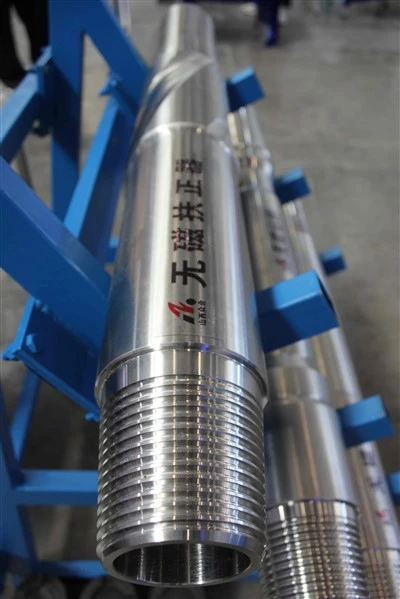
I also want to address a common misconception: some mine operators think that stuck pipe is just a “cost of doing business” in coal mining. It’s true that you can never eliminate it entirely, but you can reduce it by 90% with the right practices and equipment. I’ve seen mines that went over a year without a single stuck pipe incident, and it’s not luck—it’s because they invested in good drill pipe, optimized their mud, and stuck to proper procedures.
Raw Material If you’re currently dealing with frequent drill pipe sticking, or you want to reduce downtime and improve your mine’s productivity, don’t hesitate to reach out. We’ve worked with mines of all sizes, from small underground operations to large surface mines, and we can help you assess your current setup, recommend the right drill pipe and practices, and support you every step of the way. Let’s connect and talk through your specific challenges—because when it comes to preventing drill pipe sticking, the right partner makes all the difference.
References
- International Association of Drilling Contractors. (2021). Drilling Fluid Management for Deviated Wellbores. IADC Drilling Best Practices Manual.
- Society of Petroleum Engineers. (2019). Differential Sticking Mechanisms and Prevention in Hard-Rock Drilling. SPE Drilling & Completion Journal.
- National Mining Association. (2020). Coal Mine Drilling Equipment Maintenance and Safety Guidelines. NMA Operational Excellence Report.
- American Society of Mechanical Engineers. (2018). Drill Pipe Tool Joint Performance in High-Torque Coal Drilling. ASME Journal of Energy Resources Technology.
Shanxi Zhonghe Non-Magnetic Drill Tool Co., Ltd.
Address: No.168 Fenglei Street, Houma City, Linfen City, Shanxi Province, China.
E-mail: lucy@nmdrillcollar.com
WebSite: https://www.zhnmdc.com/
