Hey everyone, it’s Jamie from [Stainless Steel Plate Supplier]—you know, the folks you count on for top-grade stainless steel plates that hold up when you need ’em. Lately, I’ve been getting so many questions from welders, fabricators, and even small shop owners about the same headache: warping when they’re welding stainless steel plates. Warping doesn’t just ruin a perfect weld; it throws off your cuts, messes up your fit, and costs you time and money to fix. I’ve seen it firsthand—just last month, a regular customer sent back a batch because half their welds were twisted, and they had to shell out for rework. That’s why I’m breaking down exactly how to prevent this, no fancy jargon, just real tips I’ve picked up over 10 years in the stainless steel game. Stainless Steel Plate
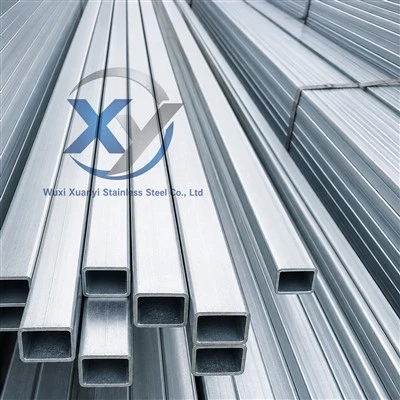
First, let’s cut to why stainless warps in the first place. You might know stainless is different from carbon steel, right? It has a lower thermal conductivity—meaning it doesn’t spread heat as fast. And it’s got a higher coefficient of thermal expansion, so it grows way more when heated than other metals. When you weld, you’re blasting a tiny area with super hot heat (like 2,750°F or more), so that spot expands fast. Then, as it cools, it shrinks—but since the surrounding metal isn’t heated as much, that uneven expansion and shrinkage is what makes the plate twist, bend, or warp. It’s not the weld itself being weak; it’s the heat moving around wrong.
Now, I’m gonna share the stuff that actually works, not the vague “be careful” nonsense. Let’s start with plate prep—this is the step most people skip, and it’s a big one. Wait, no, before prep: pick the right plate thickness. I know it sounds obvious, but if you’re welding thin 16-gauge stainless, even a small weld can warp it. If you have the option, go a little thicker than you think you need. For example, if you’re building a small frame, 14-gauge is way less likely to warp than 16-gauge. I always tell customers, “Thicker is cheaper than rework.” Also, check for flatness when you get the plates from us. We ship every plate on a flat pallet, so it arrives straight—no hidden bends or twists that will get worse when you weld. If your plate was warped before you even start, you’re already fighting a losing battle.
Prep work: clean the edges, duh. Stainless has that passive chromium oxide layer, but dirt, oil, rust, or even mill scale from the mill can mess up the weld and cause extra heat buildup. Use a stainless-specific degreaser, not something like WD-40 or brake cleaner—those leave residue. Scratch the edges with a stainless wire brush, not a steel one (steel wire leaves iron deposits that cause rust later, too). Even a tiny spot of grease under your weld will create uneven heat, so take 5 extra minutes to wipe down every edge.
Next, clamping—this is non-negotiable. I see people just set plates on a workbench and weld, and that’s the fastest way to warp. You need to hold the plates tight so they can’t move when they heat up. Use heavy-duty clamps, not those cheap dollar-store ones that bend. Clamp along the weld line, not just the edges—every 6 inches for thin plates, every 8 inches for thicker ones. If you’re welding two plates together, clamp both sides of the joint. Pro tip: leave a tiny gap (1/32 of an inch) at the end of the weld. Wait, why? Because stainless shrinks as it cools, so that small gap lets it pull tight without warping. If you butt them perfectly tight, when the weld cools, it will shrink and bend the plate. I learned that the hard way early on—welded two plates dead flush, and it curved into a banana. Never again.
Now, the welding process itself. This is where most guys go wrong. They crank up the heat to weld faster, but that’s the worst thing for warping. Stainless doesn’t need as much heat as you think. For TIG welding, use a smaller amperage—10-15 amps per mm of material thickness. For MIG, wire feed speed 3-5 ipm, voltage 18-22 for 16-gauge, adjust down for thinner. The key is to use a smaller, more concentrated heat source. A smaller electrode (for TIG, 1/16 inch instead of 3/32) means you’re heating less metal, so less expansion. That’s a game-changer.
Also, skip the continuous weld. Use tack welds first! Tack weld every 1-2 inches along the joint, then go back and fill the weld. Each tack is a small spot that holds the plate in place. Wait, but when you do the final weld, use stitch welding. What’s that? Instead of welding the whole length in one go, weld 2 inches, let it cool for 2 minutes, then weld another 2 inches, alternating sides of the joint. That lets the heat dissipate instead of building up in one spot. I had a customer last year who was welding 10 feet of 12-gauge stainless; he tried continuous weld and warped it so bad he couldn’t fit it to the frame. Switched to stitch welding, no warp at all. He’s a believer now.
Another thing: heat sinks. This is a trick I learned from a industrial fabricator I worked with years ago. A heat sink absorbs excess heat so it doesn’t spread to the rest of the plate. You can use a copper block, even a water-cooled copper plate, or just a damp rag (but copper works better). Clamp the heat sink right next to your weld spot—this pulls heat away, so the area around the weld doesn’t expand as much. For small projects, a big old copper washer works too; stick it over the weld while it’s hot. It might sound silly, but it cuts warping by like 70% in my experience.
Wait, what about post-weld? You can’t just walk away once the weld is cool. If you have a small warp, spot straighten it with a hydraulic press, or even a big C-clamp. For bigger warps, use a shrinker/stretcher, but only gently—don’t overdo it, stainless is prone to cracking if you bend it too much. And always do a stress relieving anneal? No, wait, that’s for big industrial projects. For most folks, just let the part cool slowly, not quench it in water. Quenching fast cools the weld, which can cause more stress. Let it air cool for at least 10 minutes after welding, especially for thicker plates.
I also want to talk about what not to do. Don’t weld on a warped workbench—your base needs to be flat. Don’t use too much filler metal; extra filler means more heat input. And don’t skip tack welds, no matter how fast you want to work. I’ve seen guys save 5 minutes and end up with a $200 warped part.
Now, as your stainless plate supplier, I can tell you that giving the right plate is half the battle. If you order a plate that’s too thin for your application, even the best welder will have trouble. We stock all thicknesses from gauge 22 up to 1 inch, in 304 and 316 stainless (the two most common, and most resistant to warping). 316 is even better than 304 for corrosion resistance, and it has a lower thermal expansion, so it warps less. I always ask customers what their project is, and advise them on which plate type and thickness to use. If you’re working on a marine project, 316 is non-negotiable, and thicker is better. For a indoor frame, 304 14-gauge works great.
Wait, let me test if this makes sense. Let’s say you’re welding two 16-gauge 304 plates for a small shelf. You’d order 14-gauge instead, right? Clean the edges, clamp every 6 inches, leave a 1/32 gap, tack weld every 1.5 inches, do stitch welding 2 inches at a time, use a 1/16 TIG electrode, put a copper heat sink next to each weld spot. That’s it—no warp. I’ve sent out plates to customers following this exact process, and they’ve told me their welds come out flat every time.
I know warping is frustrating. I’ve had my own projects go sideways because I cut corners on these steps. That’s why I’m open about this stuff—we’re not just a supplier, we’re here to help your project go smoothly. If you’re struggling with warping, or you’re not sure which stainless plate is right for your job, don’t guess. Reach out to us, and we can walk through your project together. We can tell you what thickness, what grade, and even pass along a custom tip based on what you’re building. No sales pitch, just real advice.
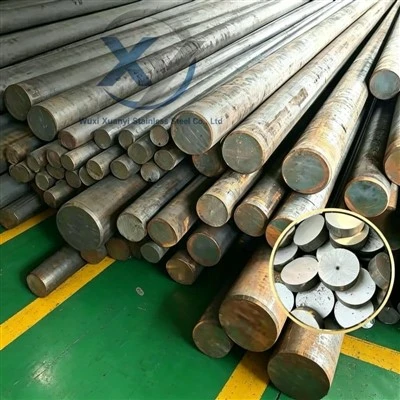
At the end of the day, preventing weld warping is all about controlling heat. It’s not about being perfect, it’s about being consistent—taking those small steps: choosing the right plate, clamping tight, breaking up the weld, managing heat. It saves you time, money, and headache, and gives you a weld that looks as good as it is strong.
Stainless Steel Bar References:
- Welding Metallurgy and Weldability of Stainless Steels, John Wiley & Sons, 2005
- ASM Handbook, Volume 6: Welding, Brazing, and Soldering, ASM International, 2011
- Stainless Steel Welding Guide, American Welding Society, 2019
- Thermal Expansion Properties of Stainless Steel Alloys, Nickel Institute, 2020
Wuxi Xuanyi Stainless Steel Co., Ltd.
Wuxi Xuanyi Stainless Steel Co., Ltd. is one of the most professional stainless steel plate manufacturers and suppliers in China. With abundant experience, we warmly welcome you to wholesale bulk durable stainless steel plate made in China here from our factory. If you have any enquiry about cooperation, please feel free to email us.
Address: 1207-1208, Building 11, Shengang Metropolis Plaza, No. 299 Fangcheng Avenue, Xinwu District, Wuxi City,China.
E-mail: jscherryxy@163.com
WebSite: https://www.xuanyisteel.com/
