If you’re running a greenhouse, you already know one thing: guessing the weather? That’s a fast track to dead tomato seedlings, moldy lettuce, or ruined rose buds. I’ve been selling weather gear for years, and the number one question I get every single week is: “What’s the best weather station for my greenhouse?” The answer isn’t a one-size-fits-all gadget you see advertised on TikTok. It’s about matching the station to what you actually grow, how big your space is, and how much you care about not losing your entire crop to a random heatwave or unexpected frost. Let’s break this down like we’re chatting over coffee, no jargon, no fluff. Weather Station

First, let’s talk about why greenhouse weather is totally different from outside weather. You can check AccuWeather all you want, but that reading is taken from a field 10 miles away, on top of a roof, not 6 inches above your tomato pots or under your shade cloth. Greenhouses trap heat—big time. On a sunny spring day, the temp inside can jump 20 degrees in an hour if you don’t vent. Humidity gets weird too: closed up, it’s like a rainforest, which is perfect for fungal blight or powdery mildew. And wind? Outside gusts are stronger, but inside, drafts from open vents or loose plastic can dry out your peppers faster than you can water them. A good greenhouse weather station doesn’t just tell you what’s happening downtown—it tells you exactly what your plants are breathing right now. That’s non-negotiable.
Now, let’s split this by grow size, because that’s the biggest factor. If you’ve got a small hobby greenhouse—like 10×12, growing herbs for your kitchen and a few tomato plants—you don’t need a $1,000 industrial rig. Stick to a compact, wireless indoor-outdoor station that’s calibrated for greenhouse use. Wait, not just any wireless one. A lot of cheap Amazon stations will read wrong inside because they’re designed for patios, not enclosed spaces. Look for one that measures the right metrics: not just temp and humidity, but also light (PAR, not just lux—PAR is what plants actually use for photosynthesis) and maybe soil moisture if you’re potted. These days, most of the good small ones sync to your phone app, so you can get alerts if temp spikes to 95 at 2 a.m. while you’re sleeping. No more waking up panicking to run out and open vents. I sell a lot of these for hobby growers, and the feedback I get? They say it’s like having a tiny crop guardian that doesn’t nag you.
If you’ve got a mid-sized commercial greenhouse—like 1/4 acre, growing for a local farmers market or restaurant—you need to step up. A single small station won’t cut it here. Different parts of the greenhouse can be totally different: the side facing south gets way more sun than the north wall, the raised beds near the door are drafty, and the bench under the shade cloth stays 5 degrees cooler. So you want a network of weather sensors, not just one. Look for stations that let you add on extra sensors for specific zones—one for light, one for humidity, one for even the pH of your soil (if you’re fancy). These should also connect to your greenhouse automation, right? Like, if the temp hits 80, the station automatically opens the vents; if humidity goes above 70%, it turns on the exhaust fan. No more manual work during busy planting seasons. The big thing here is reliability—you can’t afford a dead sensor mid-bloom cycle. I’ve seen growers save hundreds, even thousands, just by installing a mid-sized network station last year, avoiding a heatwave that would’ve wiped out their basil crop.
Then there’s the industrial scale—acres of greenhouses, selling to grocery stores or bulk distributors. Here, you need a weather station that’s built to handle constant use, works off solar so you don’t have to run power every 50 feet, and is compatible with farm management software. These stations will measure way more: not just the basics, but wind speed (to check if your plastic covering is going to tear), rain accumulation (so you can adjust your irrigation), and even vapor pressure deficit (VPD)—that’s the nerd one, but it’s super important for big crops like cannabis, tomatoes, or orchids. VPD tells you how much moisture the air can hold, which is key for preventing mold in dense plantings. For industrial, you don’t want to mess around with cheap units—look for stations that are calibrated by a lab, have 24/7 monitoring, and have a support team that can come out if something breaks at 3 a.m. during a critical growth stage. I work with a lot of big greenhouses, and they swear by these because the cost of downtime is way higher than the cost of the station.
Wait, let’s talk about the metrics people get wrong. A lot of folks buy a station just for temp, but that’s like only checking a car’s speedometer and ignoring the gas gauge. Humidity, light, and soil moisture are equally important. For example: if your tomato plant’s leaves are curling, you might think it needs more water, but it’s actually that humidity is too low and wind is too high—so the station would tell you to run a humidifier, not water more. Also, avoid stations that don’t calibrate for indoor use. A regular outdoor station will read 5-10 degrees warmer inside a greenhouse, because it’s not designed to block trapped heat or direct sunlight hitting the sensor. That’s a waste of money, basically.
Another big thing: connectivity and alerts. Let’s say you’re on vacation, or you’re running errands and your greenhouse is across town. If your station syncs to your phone, you can get a text alert if temp drops to 35 (frost!) or if humidity spikes. Some stations even let you control your greenhouse devices remotely—turn on the heater, close the vents, whatever. For hobby growers, this is a game-changer if you’re busy with work or kids. For commercial, it means you don’t have to drive out to the greenhouse just to check a reading.
Now, what about the stuff to skip? I see people waste money on stations with fancy features they’ll never use. Like, a 10-day weather forecast on your greenhouse station? That’s just the same as the one on your phone, and it’s not accurate for your specific space. Skip the bells and whistles: focus on the metrics that matter for your crops, reliability, and ease of use. Also, avoid cheap no-name brands—they die after a few months, the sensors drift, and you can’t get support if something goes wrong. I’ve had customers bring back stations that broke within a week, and it’s almost always the cheap Amazon ones.
Let’s tie this to what I do: I test every station I sell in my own small greenhouse first. No, I don’t just look at the specs. I run them through a heatwave, a cold snap, a humid summer, a dry winter, to make sure they don’t mess up. I also work with growers to pick the right setup—if you’re growing herbs, you don’t need the industrial rig; if you’re growing tomatoes, you do need the VPD sensor. The best station isn’t the most expensive one—it’s the one that fits your space, your crops, and your schedule. It’s the one that tells you exactly what’s going on inside your greenhouse, not outside, so you can adjust before your plants get stressed.
Wait, let’s add a real quick example. Last year, a customer who grows lettuce in a 1/2 acre greenhouse bought a basic wireless station and thought it was enough. Then a random cold snap hit in March, and his north side bench (which the station was right next to) was 2 degrees colder than the main bench, so 30% of his lettuce froze. He switched to a 3-sensor network station I recommended, and this year he said he lost zero lettuce to cold snaps. That’s the difference between guessing and knowing.
So, let’s wrap this up: the best greenhouse weather station depends on 3 things: 1) How big your greenhouse is (hobby, mid-sized, industrial), 2) What you grow (herbs vs. tomatoes vs. cannabis), and 3) How much you want to avoid crop loss. If you’re not sure, just reach out—we can chat through what you need, no pushy sales stuff. We’ll help you pick something that’s not overkill, but not so cheap it fails when you need it most. No jargon, no hidden fees, just stations that work for greenhouses.
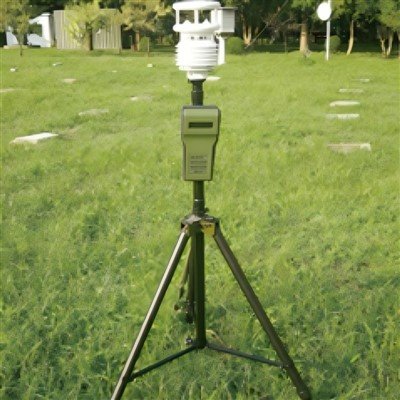
If you’re tired of guessing your greenhouse’s weather and ready to invest in a station that’ll protect your crop, feel free to get in touch to discuss your needs and get a custom recommendation tailored to your setup.
Wind Measurement System References
- USDA Agricultural Research Service. (2022). Greenhouse Microclimate Monitoring: Best Practices for Crop Health and Yield.
- International Society of Horticultural Sciences. (2021). Sensors for Greenhouse Environmental Management.
- FAO. (2020). Vapor Pressure Deficit: A Critical Metric for Greenhouse Crop Production.
Tianjin Blooming Technology Ltd.
We are one of the most professional weather station manufacturers and suppliers in China, also support customized service. With abundant experience, we warmly welcome you to buy durable weather station for sale here from our factory. For price consultation, contact us.
Address: Main Building, No. 10 Wuhua Road, Huayuan Industrial Zone, Binhai High-tech Zone, Tianjin, China
E-mail: sales@blooming-tech.com
WebSite: https://www.blooming-tech.net/
