If you’ve ever stood in a furniture showroom, staring at a floor plan that asks for “storage” in a dining room or entryway, you’ve probably paused at two terms: tall cabinet and sideboard. When I first started out as a tall cabinets supplier, I thought these were just two names for the same piece of furniture—something to hold dishes, linens, or random clutter while filling wall space. But over the years, I’ve had so many customers call me confused, saying, “I need a sideboard, but your website has tall cabinets that look exactly like the picture.” That’s when I realized the lines aren’t always clear, especially for people who’re furnishing a home or office for the first time. Let me break this down the way I break it down for every customer who picks up the phone or sends an email: tall cabinets and sideboards aren’t interchangeable, and picking the right one can make or break how you use a space. Tall Cabinets
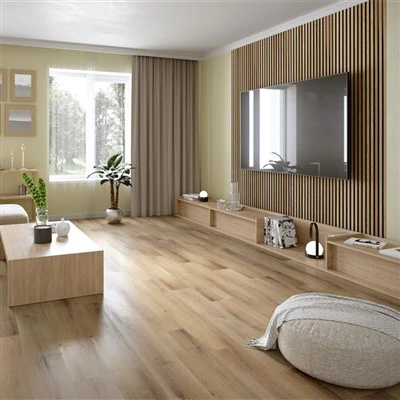
First, let’s talk about physical size—this is the most obvious difference, but it’s also the one that trips people up most. A sideboard is, at its core, a low, long piece of furniture. I’m talking about heights that range from 30 to 36 inches at the very top. That’s roughly counter height in most kitchens, right? So when you set it against a dining room wall, it sits at the exact level you’d use for setting out serving platters, or placing a coffee bar, or stacking everyday dinnerware. The width is the other big part of a sideboard: they’re built to stretch most of the length of a dining room or living room wall, usually between 48 and 72 inches, with depths that are usually 18 to 24 inches—shallow enough that they don’t stick out into the walkway, but deep enough to hold folded napkins or stacked plates.
Now a tall cabinet, especially the ones I supply, is a totally different beast. As the name says, it’s tall. We’re looking at heights from 60 inches all the way up to 96 inches—nearly 8 feet tall, which is the maximum height most standard ceilings allow. A tall cabinet might be the same width as a sideboard, but those extra 2 or 3 feet of height change everything. Depths vary too, but most of our tall cabinets are 12 to 24 inches deep, so they can fit into tight corners or long walls where a larger piece won’t work.
Next, there’s the space they take up and how that space gets used. Let’s bring it back to dining rooms, since that’s where both pieces are most common. If you’re hosting a dinner party, a sideboard is for surface use. You’ll lay out the turkey platter, the bowls of sides, the wine glasses—all on the top, right at hand level. The storage inside is usually for things you don’t need to grab in a hurry: extra serving dishes, table linens, maybe a set of holiday mugs. It’s functional for gatherings, but it doesn’t add a lot of vertical storage, which is a big deal in small dining rooms or studio apartments where every inch counts.
A tall cabinet? That’s for vertical storage. Because it goes all the way up to almost the ceiling, it has multiple shelves and drawers stacked one on top of the other. When we design our tall cabinets, we make sure the lower shelves are easy to reach (no more bending all the way down like you would with a deep sideboard) and the upper shelves are high enough that you can store things you only use a few times a year—like seasonal decor, or holiday serving pieces you don’t want cluttering up your dining table. I had a customer last month who was furnishing a 500-square-foot apartment in Brooklyn; she bought two of our 72-inch tall cabinets for her dining area, and she told me it cut her kitchen clutter by almost half because she could store small appliances, extra plates, and even her daughter’s art supplies in the tall cabinets instead of cramming them into her tiny kitchen. That’s the kind of space-saving win only a tall cabinet can deliver.
Then there’s the aesthetic part, which is what draws most customers to pick one over the other when they’re not sure what they need. Sideboards have a classic, formal feel. I see them used in traditional dining rooms, country homes, even formal living rooms because their low, long profile feels soft against walls, not imposing. They’re often styled with a vase on top, or a stack of books, or a set of matching candles—you really see sideboards as a decorative accent, not just storage. A lot of our customers who buy sideboards don’t just need space; they want a piece that ties the room together. You can swap out the top decor for different seasons, and it doesn’t feel like you’re moving a giant box around.
Tall cabinets, on the other hand, have a more modern, streamlined look. Because they’re vertical, they draw the eye upward, which can make a room feel taller instead of wider. I supply a lot of tall cabinets in matte white or warm oak finishes, and they work just as well in a minimalist kitchen as they do in a home office or a laundry room. If you have a narrow hallway that needs more shoe storage, a tall cabinet is perfect—you don’t have to give up floor space to get a lot of storage. I even had a customer who used a tall cabinet as a bar in her basement; she stacked her liquor and glassware on the inside shelves and left the top free for mixing drinks. It didn’t take up much floor space, and it was way easier to reach a bottle on the middle shelf than it would have been in a lower sideboard.
Wait, but let’s talk about the gray area—because there is one. Some furniture brands make pieces that blend elements of both. I’ve seen a “sideboard cabinet” that’s 48 inches tall, right in between a standard sideboard and a tall cabinet. Those are popular for smaller spaces, because they offer more storage than a basic sideboard without taking up all that vertical space. But for the most part, if you see a piece that’s over 60 inches tall and has multiple stacked storage sections, it’s a tall cabinet. If it’s under 36 inches, long, and focused on a wide top surface, it’s a sideboard.
I also get asked a lot about functionality beyond dining rooms. A lot of people don’t realize sideboards can be used in living rooms for storage of board games or remotes, or in entryways for mail and shoes. But they’re low, so you can’t store tall things in them—like a stack of vacuum cleaners, or extra bath towels, or even a full set of baking sheets. A tall cabinet, though? We have customers who use them in pantries, linen closets, even home offices to store file folders and printer paper. One of my regular commercial clients uses our tall cabinets in small break rooms because they hold enough disposable cups and plates for 50 people, but they don’t take up the space that a full sideboard would take.
Another thing I tell customers: think about how you move in the room. If your dining room is small, and people will be walking around the table while you’re serving, a sideboard that sticks out 24 inches might feel clunky and block walkways. A tall cabinet, though, can be only 12 inches deep, so it sits almost flush to the wall, and all the extra space is vertical, so it doesn’t get in the way of foot traffic. I learned this the hard way early in my business—once I sold a customer a sideboard for her 10×12 dining room, and she called me a week later saying her kids kept bumping into the sideboard when they ran around the table. Now I always ask customers to measure the walk space around their furniture before they order, and that’s when I point them to tall cabinets if their space is tight.
A lot of people also mix and match them, right? I see it all the time. A customer will put a sideboard against one wall of their dining room for serving, and two tall cabinets against the opposite wall for all the extra dishes and linens. That way, they get the best of both: the sideboard for easy access during gatherings, and the tall cabinets for all the bulk storage. It’s a trick I use in my own home—we have a small dining area, so we have one sideboard for the everyday plates we use for dinner, and a tall cabinet at the end of the room for holiday dishes and extra serving stuff. It works perfectly, and there’s no clutter because everything has its own place.
Now, I know when you’re scrolling for furniture online, it’s easy to just pick the first piece that looks like it holds storage. But taking the time to figure out whether you need a tall cabinet or a sideboard will save you from returns, or from buying a piece that doesn’t fit your space. When I talk to customers who are confused, I always ask three simple questions: How much floor space do you have? Do you need easy access to items for gatherings, or bulk storage of things you don’t use often? And what’s the height of your ceilings? If your ceilings are low (under 8 feet), a tall cabinet might feel cramped and overwhelming, so a sideboard is probably a better fit. If your ceilings are standard or higher, and you need to maximize storage without taking up floor space, a tall cabinet is going to be your go-to.
Let me wrap this up with a story, because that’s how I learned the difference most clearly. Early on in my business, I had a customer named Lisa who owned a small cafe in downtown Austin. She came to me saying she needed “sideboards” for her dining room, but when I measured her space, she only had 18 inches of wall space on each side of her serving counter. A standard sideboard is 20 inches deep at minimum, so it would have stuck out into the walkway between tables. Instead, I suggested our 12-inch deep, 72-inch tall tall cabinets. She bought two of them, and they fit perfectly. She used the top as a little display for her bakery case items, and the inside shelves held extra flatware and napkins. She told me later that those tall cabinets were the best purchase she’d ever made—they didn’t block customer flow, and she fit twice as much storage as she would have with sideboards. That’s the kind of solution I love providing, and it only came from understanding the real differences between the two pieces.
At the end of the day, both tall cabinets and sideboards serve the same core purpose: to give you storage and style for your home or business. But their sizes, functionality, and aesthetic are different, and picking the right one makes all the difference. If you’re still not sure which one is right for your space, or if you want to talk about custom options for your home or cafe, don’t hesitate to reach out. We work with customers of all sizes, from small apartment dwellers to commercial businesses, and we’re happy to help you find exactly what you need. Whether you go with a sideboard for that formal dining room look or a tall cabinet to maximize every inch of your space, we’re here to help you make the right choice.
If you would like to discuss your storage needs with our team, feel free to get in touch to learn more about our products and how we can support your project.
Kitchen Island References:
Smith, J. (2021). Residential Furniture: A Guide to Form and Function. Home Style Press.
Davis, R. (2022). Commercial Storage Solutions for Small Spaces. Retail Furniture Journal.
Wilson, L. (2020). Maximizing Vertical Space in Modern Interiors. Interior Design Quarterly.
Zebra Living Furnishings Manufacturing Co.,Ltd
As one of the most professional tall cabinets manufacturers and suppliers in China, we offer a wide range of products with superior quality. We warmly welcome you to wholesale high quality tall cabinets made in China here from our factory. We also accept customized orders.
Address: No.7 Xianfeng Road, Heshi Industrial Zone, Taixing City, Jiangsu Province
E-mail: info@zaliving.com
WebSite: https://www.zaliving.com/
