Hey there, quick question – if you’re a manufacturer using plastic components (think PCBs, molded parts, whatever) and you work with cover tape for packaging those tiny, delicate parts… I’d bet you’ve dealt with that annoying sticky residue left on the plastic after peeling the tape off. Don’t worry, you’re not alone – I’ve been in the cover tape game for over a decade, and I’ve seen this exact problem ruin batches, slow down lines, and cost teams way too much time and money. Today, I’m breaking down how to actually remove that residue without scratching the plastic, messing up your components, or making a bigger mess. Let’s dive in. Cover Tape
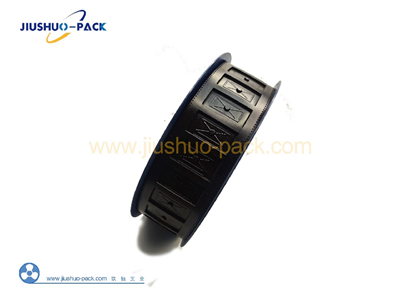
First, let’s get one thing straight: not all residue is the same. A big part of solving this is understanding why it’s there in the first place, right? Cover tape (that’s the clear or colored film we supply for your component reels, tape-and-reel packaging, etc.) is made with a pressure-sensitive adhesive (PSA) that sticks just enough to hold parts tight during shipping and handling, but not so much that it’s a nightmare to peel. But sometimes, especially if it’s peeled too fast, or the packaging gets too hot during storage, that PSA doesn’t release clean – it leaves a thin, gummy film, maybe some tiny adhesive specks, or even discolored marks on the plastic. The plastic itself matters too: ABS, polycarbonate, PP, nylon – each reacts differently to cleaners, so a one-size-fits-all approach here is going to backfire. I’ve seen guys use acetone on polycarbonate and crack the plastic straight down the middle – ouch. That’s a costly mistake, so let’s avoid that.
Let’s start with the “no-fuss, first-aid” methods – stuff you can grab right from your workshop shelf before you even think about harsh chemicals. These are great for light residue, right after the tape is removed, before it’s had time to set and harden.
First up: isopropyl alcohol (rubbing alcohol). Not the cheap drugstore stuff with extra moisturizers – grab the 90%+ isopropyl, the kind that evaporates fast. Pour a small amount onto a lint-free microfiber cloth (not paper towels – those leave tiny fibers that get stuck in the residue, trust me) and gently rub the residue in circular motions. Don’t press hard – you don’t want to scratch the plastic. For light gummy spots, this should lift it right off in 10-15 seconds. If it’s a little thicker, let the alcohol sit on the spot for 30 seconds first to soften the adhesive. I’ve used this on ABS reels, polycarbonate connectors, even molded plastic housings – works every time, and it’s cheap, easy, and won’t damage most plastics.
Another simple trick: heat. A lot of people forget that PSAs are sensitive to heat. Grab a hair dryer on low heat (not high – you can melt the plastic if you get too close) or a heat gun set to low, hold it 6-8 inches away from the residue, and warm it up for 10-15 seconds. The adhesive will soften, and then you can peel it off with a edge of a plastic card (like an old gift card, not a metal one – metal can scratch plastic) or a soft cloth. This is perfect if you’re dealing with residue on a flat, easy-to-reach surface, and you don’t want to use any liquids that might seep into small component crevices. I actually recommend this to a lot of our customers when they get residue on reel hubs – works way better than chemicals there.
Now, what if the residue is stubborn? Like, it’s been on there for days, or the tape’s adhesive is extra strong (hey, some customers need that heavy-duty tape for shipping harsh environments)? Then you need a little more oomph, but still, no harsh chemicals that’ll damage your parts.
First, a citrus-based adhesive remover. Stuff like Goo Gone Original, but wait – check the label to make sure it’s safe for plastics! A lot of citrus removers are formulated for glass and metal, but the good ones (the ones we recommend to our customers) are plastic-safe. How to use it: apply a tiny amount to your microfiber cloth (less is more here – you don’t want the liquid to get on other parts of your component that might not be plastic), let it sit on the residue for 1-2 minutes to break down the adhesive, then gently rub it off. Rinse the plastic with a little water after to get rid of any leftover citrus oil, then dry it completely. I’ve used this on old polypropylene parts that had residue from 2-week storage – got it all off without a mark.
Wait, but what if you’re working with really sensitive components, like electronics that can’t get wet? Then dry cleaning is the way to go. There are a few products made specifically for this: dry adhesive erasers, or adhesive remover sticks (the kind that are solid, no liquid). These are great for small, precise spots, like residue around pins on a connector. The erasers work by gently abrading the residue (very lightly, so no scratching) without touching the actual plastic surface too much. Just be careful not to rub too hard – you don’t want to wear away any part of the component. I keep a box of these in our cover tape warehouse for when our staff accidentally gets tape residue on their tools – works like a charm.
Now, let’s talk about the big mistakes people make here, because I’ve seen all of them. First, using metal tools (knives, razor blades, screwdrivers) to scrape residue off. Even if you think you’re being careful, you’re almost always going to scratch the plastic, and then you have a new problem – scratches that can catch dust, or even weaken the component over time. Second, using harsh chemicals like acetone, methyl ethyl ketone (MEK), or toluene without testing on a small, hidden spot first. Acetone melts ABS plastic, for example – I once had a customer call us in a panic because he cleaned his reel with acetone and the whole plastic hub turned to mush. Never skip the spot test. Third, using paper towels. They have little wood fibers that get stuck in the residue, and then you’re picking tiny fibers out of your components for hours. Lint-free microfiber is non-negotiable here.
Also, a quick pro tip from our cover tape team: a lot of residue problems can be prevented before they even happen. If you’re peeling cover tape off too fast (like, ripping it off in one go instead of slow, steady pull), you’re way more likely to leave adhesive behind. We tell all our customers to peel the tape at a 45-degree angle, not straight up, and pull it slowly – like 2-3 inches per second. Also, store your components in a cool, dry place – if the packaging gets too hot, the adhesive softens and bleeds onto the plastic, making residue way harder to remove. Small changes, but they save so much hassle later.
Wait, what about if you’ve tried all these methods and the residue is still there? Don’t panic – there’s a last resort, but it’s a bit more intense. Some plastic manufacturers recommend a mild abrasive cleaner, like Bon Ami or Soft Scrub (the non-gel kind). Make a paste with a little water, apply it to the residue, and gently rub with a soft cloth. Again, test on a hidden spot first – abrasive cleaners can dull glossy plastic if you use too much. This works for really old, set-in residue, but only when nothing else works. And after this, make sure you rinse the plastic well and dry it, because the abrasive can leave a dull film if not cleaned properly.
Let me wrap this up with a quick step-by-step for you, so you have something easy to reference:
- Identify your plastic type (ABS, polycarbonate, PP, etc.) – if you’re not sure, test a small spot with isopropyl alcohol first.
- For light, fresh residue: use 90%+ isopropyl alcohol + microfiber cloth, gentle circular rub.
- For stubborn, older residue: citrus-based plastic-safe remover, let sit 1-2 minutes, wipe clean, rinse.
- For sensitive electronics/components: dry eraser or solid adhesive stick, gentle rub.
- For set-in residue: mild abrasive paste, test first, gentle rub, rinse well.
- Prevent future residue: peel tape at 45 degrees slow, store in cool, dry place.
Look, at the end of the day, I’m a cover tape supplier, not a chemist, but I’ve worked with hundreds of manufacturers over the years, and I know this problem is real. We supply cover tape to all kinds of industries – electronics, automotive, medical devices – and we hear about residue issues all the time. If you’re dealing with this on a regular basis, or you have a specific application where residue removal is a big part of your process, we’re here to help. We’ve even worked with customers to adjust their cover tape’s adhesive formula to leave less residue in the first place, so it’s easier on your end.
If you’re ready to chat about improving your packaging to cut down on residue, or you need a custom cover tape solution for your plastic components, hit us up to connect with our sales team. We’re happy to walk through your needs, answer any questions, and help you fix this once and for all.
Reel and Tape Packaging Machine References:
- Pressure-Sensitive Adhesive Residue Removal for Plastic Components, Journal of Adhesion Science and Technology, 2019.
- Plastic-Safe Cleaning Guidelines for Electronic Packaging, Institute of Packaging Professionals, 2021.
- Cover Tape Adhesive Performance Testing, International Tape Association, 2020.
- Safe Residue Removal Methods for Molded Plastics, Society of Plastics Engineers, 2018.
Dongguan Jiushuo Industrial Co., Ltd.
As one of the most professional cover tape manufacturers and suppliers in China, we also support customized service. Please feel free to buy high quality cover tape made in China here from our factory. Contact us for more details.
Address: 11th Floor, Building 2, Chuangfu Center, Chashan Town, Dongguan City, Guangdong Province, China
E-mail: sales06@zaidaiw.com
WebSite: https://www.carriertape-pack.com/
