When I first started working as a granite pavers supplier over a decade ago, I’d get the same question at least once a week: “Do you guys only deal with outdoor patios and driveways?” For years, that assumption made sense—granite’s rugged, weather-resistant reputation has been tied to exterior spaces for generations. But lately, that question has shifted: now homeowners and designers are asking, “Can granite pavers be used for indoor flooring?” It’s a question I get excited about, because it’s one that challenges a lot of what we’ve always believed about natural stone’s place in the home, and it’s rooted in real, practical benefits that more people are starting to notice. Granite Pavers

Let’s start with the basics: granite is an igneous rock, formed deep beneath the Earth’s crust when molten magma cools and hardens over millions of years. That formation gives it two key properties that matter for flooring, whether you’re laying it on a patio or in a kitchen. First, it’s incredibly dense—so dense, in fact, that it’s almost non-porous when properly sealed. Second, it’s scratch-resistant, far more than most natural stone or even manufactured materials like ceramic tile or laminate. Those properties make it perfect for heavy-use areas, which is why it’s long been a go-to for outdoor spaces that deal with foot traffic, rain, and temperature swings. But indoors? Those same strengths translate in ways that might surprise you.
I’ll be honest, when a customer first asks about indoor granite pavers, my first reaction isn’t “yes” or “no”—it’s to ask about their space. Indoor flooring needs to handle a different set of demands than outdoor, and not all granite pavers are cut or finished the same way. Let’s break down the practical pros first, because that’s where the value is. For high-traffic areas like entryways, kitchens, or mudrooms, granite pavers hold up like no other material I’ve worked with. I recently supplied a batch of 12×12 granite pavers for a family’s kitchen remodel, and a year later, they told me the difference was night and day from their old hardwood floors. They have two young kids who track in mud, juice spills, and the occasional dropped toy (I’m sure I don’t need to list the other messy parts of childhood). The granite didn’t stain, didn’t scratch when a bike rolled over it, and was easy to wipe clean with a damp cloth. Compare that to hardwood, which needs regular sealing to resist spills, or tile grout, which can discolor and trap dirt over time—granite avoids both of those issues when installed correctly.
Another big draw for indoor use is aesthetic variety. When I stock granite pavers, we carry dozens of different finishes: polished, honed, flamed, sandblasted, and more. For outdoor spaces, flamed or sandblasted finishes are common because they’re slip-resistant when wet. Indoors, we can use polished finishes for a sleek, modern look in a living room—think the same high-shine surface you’d see in a luxury hotel lobby—or honed finishes for a softer, more rustic feel in a bedroom. Unlike manufactured tiles, which have consistent patterns, each granite paver has unique mineral flecks and color variations, so your floor will have character that’s hard to replicate. I had a designer come to me last month looking for something for a boutique hotel’s lobby, and she chose a mix of 18×18 honed granite pavers in warm gray and cream tones. The variations make the space feel warm and inviting, instead of the cold, uniform look of large-format ceramic tiles.
But it’s not all perfect—there are real, practical considerations that come with using granite pavers indoors, and that’s where a lot of the misinformation comes in. The biggest one is weight. Granite is heavy—natural stone weighs around 170 pounds per cubic foot, so a 12x12x2 inch paver is roughly 15 pounds. For a residential home, that’s manageable for most main floors, but you need to check your subfloor first. If you’re installing in an upper level of a home built in the last 50 years, it’s not usually a problem, but if you’re renovating an older home with original wood floors, you might need to reinforce the subfloor. I always tell customers to hire a structural engineer or a licensed flooring installer to do a quick assessment before moving forward—skipping that step can lead to costly damage later.
Another consideration is temperature. Granite is a natural insulator, but it has a high thermal mass—meaning it absorbs and holds heat. In the winter, that can be a bonus, because it stays warm underfoot, but in the summer, if your home gets direct sunlight on the floor, it can get hot. That’s not a dealbreaker, but it’s something to plan for. If you’re installing granite pavers in a sunroom or a space with lots of large windows, you might pair them with area rugs in seating areas to keep it comfortable. Also, while granite is non-porous when sealed, it’s not stain-proof—if you spill something highly acidic, like red wine or citrus juice, and leave it on the surface for hours, it can etch or discolor. The good news is that a good quality sealer (which we recommend applying every 1-3 years, depending on use) prevents this. I always advise customers to test the sealer first: pour a small amount of water on a paver, and if it beads up, the sealer is working. If it absorbs, it’s time to reapply.
A lot of people also ask about installation, and it’s true that granite pavers are different from other indoor flooring materials. When you install tile, you use thin-set mortar and grout, but granite pavers are thicker, so you usually need a thick-set mortar bed, especially for large format pavers. For indoor use, we also recommend using a flexible grout that can handle minor movement from the subfloor—wood expands and contracts with humidity, and concrete can shift slightly, so flexible grout prevents cracks. I’ve seen too many people try to install granite pavers themselves and end up with cracked pavers or uneven floors because they didn’t account for the material’s weight and thickness. If you’re not experienced with natural stone installation, it’s worth hiring a professional who has worked with granite before. The extra cost is nothing compared to replacing a misinstalled floor.
Now, let’s talk about common misconceptions. Some people think granite is too cold for indoor flooring, but that’s only true if you’re used to electric underfloor heating, which is more common in European homes. Here in the US, we tend to rely on forced air, so granite is actually warmer than tile or stone that’s been left out in the cold. I have granite pavers in my own entryway, and even in the dead of winter, it feels warmer than the ceramic tile in my bathroom. Another misconception is that it’s too expensive. When you compare granite pavers to high-end hardwood or natural stone tile, the upfront cost is often competitive, and the maintenance cost is lower. Hardwood needs refinishing every 7-10 years, which can cost $3-5 per square foot, while granite only needs a sealer every few years, which is a fraction of that. Over time, it’s a durable investment that adds value to your home.
I’ve also seen some unique indoor uses for granite pavers that go beyond floors. Some customers use smaller 4×4 or 6×6 pavers as bathroom vanities, fireplace surrounds, or even accent walls. Their versatility is one of the things that makes them stand out from other materials. A few years ago, I supplied pavers for a restaurant in downtown Austin that used 8×8 granite pavers as a feature wall in their dining area. The texture and color variations added depth to the space, and it was way more durable than drywall or paint that would scratch from busy foot traffic.
If you’re considering granite pavers for your indoor space, here are a few tips I’ve picked up over the years. First, choose the right finish. For high-traffic areas like entryways or mudrooms, a honed or matte finish is better than polished, because polished can get slippery when wet. For kitchens, a honed or leathered finish works well, because it’s less likely to show scratches than polished. Second, order extra pavers. Since granite is natural, no two pieces are the same, and you’ll want extra to replace any that get damaged during installation or future repairs. I always tell customers to order 10-15% more than their square footage needs, just to be safe. Third, work with a supplier who understands both outdoor and indoor applications. Not all granite pavers are created equal—some are cut thicker for outdoor use, and some are thinner and polished for indoor. A good supplier will help you pick the right type based on your space.
I’ve had customers come to me worried that granite is too rough for indoor floors, but the pavers we sell are finished so they’re smooth underfoot, even if they have a textured surface. I recently installed a set of 16×16 flamed granite pavers in a family’s pool house indoor patio, and they’re smooth enough for bare feet, but still slip-resistant when wet. It’s that balance of function and aesthetic that makes granite so versatile.
Another point to consider is sustainability. Granite is a 100% natural material, and when it’s quarried responsibly, it has a much lower carbon footprint than manufactured materials like vinyl or laminate. Many of the granite pavers we supply are from quarries in North America, so we don’t have to ship them halfway across the world, which reduces emissions. Also, granite is infinitely recyclable—if you ever decide to replace your indoor granite floors, you can repurpose the pavers for an outdoor patio, walkway, or even a garden feature. That circular aspect is something a lot of homeowners care about now, and it’s a big advantage over materials that end up in landfills when they’re no longer wanted.
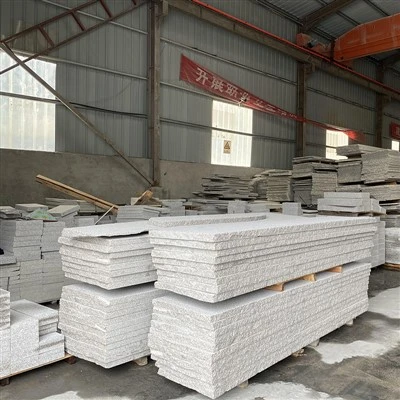
I know some people still prefer traditional indoor flooring, and that’s fine—granite pavers aren’t for everyone. But for people who want durability, unique style, and a low-maintenance floor that will last for decades, they’re an excellent choice. I’ve seen floors installed 50 years ago that are still in perfect condition, because granite doesn’t fade, scratch, or stain easily. It’s a one-time investment that pays off over time.
Granite Blocks At the end of the day, the answer to “Can granite pavers be used for indoor flooring?” is a resounding yes—but it’s a yes that comes with some careful planning. It’s not as simple as laying them down like tile; you need to consider your subfloor, your space’s specific needs, and work with a supplier who knows the material. That’s where we come in. As a granite pavers supplier, we’ve helped hundreds of homeowners, designers, and contractors find the right granite for their indoor and outdoor projects, and we’re here to help you too. If you’re curious about pricing, finishes, or need advice on installation, don’t hesitate to reach out to our team to discuss your project and learn more about how granite pavers can work for your indoor space.
References
- Natural Stone Institute. (2022). "Granite: Properties and Applications in Residential Flooring." Natural Stone Council Technical Bulletin.
- Building and Construction Authority (BCA). (2021). "Guidelines for Structural Load Assessment of Natural Stone Flooring in Residential Buildings." Singapore Government Standards.
- Marble Institute of America. (2020). "Care and Maintenance of Natural Stone Floors, Interior and Exterior." MIA Best Practices Manual.
- US Environmental Protection Agency (EPA). (2019). "Sustainable Building Materials: Natural Stone and Circular Economy Practices." EPA Green Building Program.
- National Tile Contractors Association (NTCA). (2022). "Installation Standards for Thick Natural Stone Pavers in Indoor Applications." NTCA Technical Guide.
Suichang Yongheng Stone Industry Co., Ltd.
With abundant experience, we are one of the most professional granite pavers manufacturers and suppliers in China. We warmly welcome you to wholesale premium granite pavers in stock here and get quotation from our factory. We also accept customized orders.
Address: Liantou Stone Industrial Park, Yunfeng Street, Suichang County, Lishui City, Zhejiang Province
E-mail: m13567645214@163.com
WebSite: https://www.yonghengstone.com/
